






















Pokemon at 30: Fans Reflect on the Series’ Cultural Reach and Value

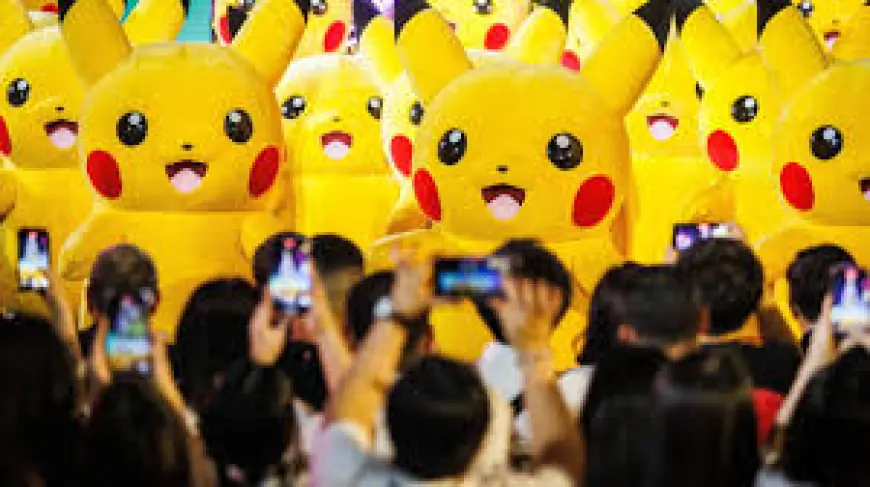
As the franchise marks its 30th anniversary, pokemon remains a global cultural phenomenon that fans say still attracts new generations. The milestone is prompting renewed attention to how a small handheld game grew into a franchise spanning TV, movies, a trading card game and a runaway mobile hit.
Pokemon’s 30-year milestone
The series began with a handheld game released in 1996 and grew far beyond initial expectations. Early sales momentum—more than a million copies sold in its first year on a low-cost handheld—helped set the foundation for wider expansion. Over three decades the brand expanded into animation, cinema releases, a trading card game and a location-aware mobile game that placed monsters in the real world.
Trading card and mobile surges
Two pillars of the franchise’s modern profile are the trading card game (TCG) and the mobile title. The TCG helped create an early craze that at one point led schools to ban children from bringing cards to the playground. The mobile game later sparked a second global trend with its use of GPS and camera features to place creatures in real-world locations. That mobile title has been downloaded more than a billion times, and the pandemic period saw a notable spike in Pokémon-related content and a particular uptick in interest in the trading-card side of the brand.
Why fans say it endures
Fans and competitive players point to the franchise’s accessibility and flexible design as core strengths. One streamer described the franchise as unique because there are many legitimate ways to engage with it—collecting, battling with cards, or focusing on competitive video-game play—and none are wrong. Another fan who excels in card battles noted that while he rarely plays the core video games now, the breadth of available activities keeps him engaged. The creature designs and the scale of options—thousands of memorable characters—also get repeated mention as factors that sustain interest across age groups.
What the next years could look like
Observable indicators from recent audience behavior suggest the franchise’s multi-pronged approach remains effective. Continued popularity of the trading-card game, persistent downloads of the mobile title, and ongoing reach into television and film point to a stable pipeline of engagement. If interest in key pillars such as the TCG or the mobile game stays elevated, the franchise is likely to keep attracting fresh fans and encouraging existing ones to deepen participation. Unclear at this time is how new product cycles or media releases will reshape demand, but current trends show sustained cross-format interest.
- Key takeaways: wide accessibility, multiple play styles, renewed TCG interest.
The 30th anniversary has centered fan conversations on why the series still matters: its flexibility as a hobby, the memorability of its creatures, and the ability to connect players through both physical and digital experiences. Those elements appear to be the core reasons pokemon remains a persistent cultural presence three decades after its debut.