
























Diddy Attorneys Join Weinstein Defense as Retrial Sequence and Strategy Rewind the Case

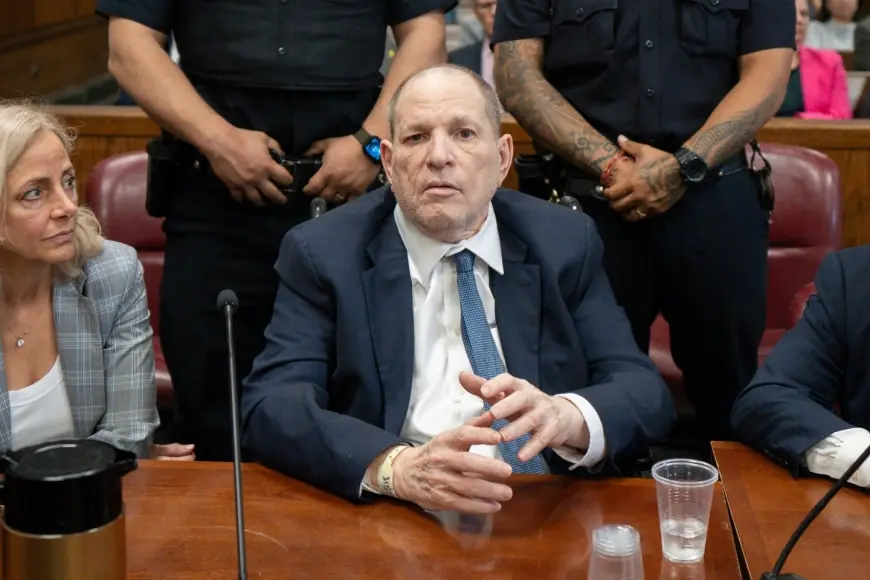
The legal reshuffle matters because it reframes how the third New York trial will be fought: Weinstein has brought in a trio that has handled both high-stakes murder and high-profile sex-crime defenses, signaling a different tactical posture as prior convictions were overturned and retrial dates remain fluid. The new team includes counsel who recently represented diddy, and their arrival follows appellate upheaval that rewrote the case's procedural roadmap.
Diddy-linked lawyers reshape defense framing as procedural history forces a pivot
Choosing lawyers who worked on Luigi Mangione’s and Sean "Diddy" Combs’ matters shifts the headline focus from continuity to reinvention. The attorney lineup—Jacob Kaplan, Marc Agnifilo and Teny Geragos—moves into the courtroom role previously held by Arthur Aidala, who will step back to lead appeals and civil work. Kaplan had an earlier role on Weinstein’s defense team, and the new grouping brings experience from both the Mangione prosecutions and a recent high-profile retrial that resulted in acquittals and split verdicts in a separate sex-crime prosecution.
- Key takeaway: The team combines appellate continuity (Aidala handling appeals) with fresh trial leadership that has navigated capital and complex sex-crime exposures.
- Who is immediately affected: Weinstein’s courtroom strategy and the prosecution’s trial preparations, since the lead advocates and tactical priorities have changed.
- What could confirm the next turn: whether the new trio files motions that alter evidence parameters or seeks consolidation of legal theories now being litigated in parallel.
Here's the part that matters: the move is less about personnel and more about tactical reframing. The new lawyers bring recent wins and procedural victories in separate, high-pressure cases; that experience is likely what persuaded Weinstein’s camp that a “recalibrated outlook” is needed after multiple prior trials and appellate reversals.
How the case stands now: scheduling, charges and the practical courtroom picture
Event details are embedded in a complicated procedural backdrop. The third New York rape trial involves an unresolved third-degree rape charge tied to an alleged incident in a Manhattan hotel. Earlier trial efforts produced a messy partial verdict: one conviction for a forced sexual act, an acquittal on another forced sexual act, and an undecided rape charge when jury deliberations stalled. New York’s highest court had previously overturned some convictions and ordered retrial because testimony about allegations not formally charged was allowed at the original trial.
The calendar has been unsettled: the trial was postponed from a March 3 start and has not been rescheduled, and Weinstein is due for a status conference on March 4. At the same time, the new defense trio was confirmed in court filings and is taking the courtroom lead while Aidala focuses on appeals and civil matters. Recent updates indicate scheduling remains likely to change as the parties sort pretrial strategy.
What’s easy to miss is that this swap preserves appellate continuity while altering trial dynamics—an uncommon split that signals heavy, parallel work on two fronts rather than a simple replacement of counsel.
Practical signals to watch for in the coming weeks: motion practice aimed at evidence boundaries, any renewed efforts to resolve the undecided charge short of trial, and whether the new team reasserts arguments about juror conduct or trial fairness already rejected at earlier hearings. The real question now is how aggressively the new trial leaders will seek to reframe the case in court filings and opening motions.
Micro timeline (procedural):
- Original convictions were overturned by the state's highest court, leading to remands and retrials.
- A retrial produced a partial verdict with one conviction, one acquittal and an undecided charge.
- The third trial was slated for early March but was postponed and is presently unscheduled; a status conference is set for March 4.
Expect the next public moves to be legal filings from the new defense team and responsive motions by prosecutors; those filings will be the clearest early indicators of how the retrial will proceed.