

























Tracey Emin rethinks My Bed decades on — why the artist says the piece would be 'tidy, clean and boring' if remade today

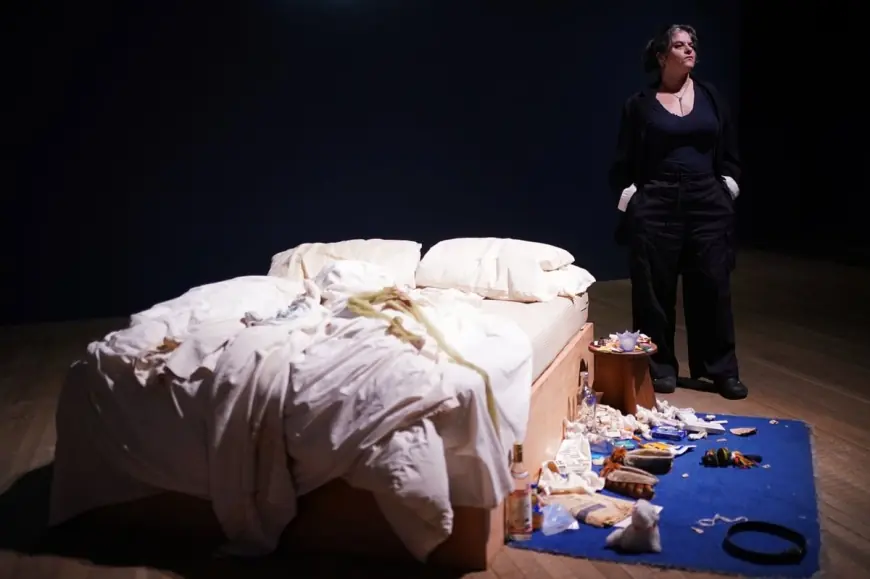
Why now matters: as the My Bed installation returns for a new retrospective at Tate Modern, tracey emin is framing the work as both a life-saver and a fragile object that no longer reflects her current self. The artist, now 62, says the original filthy bedroom scene would be replaced by very clean, luxurious sheets and small domestic details if she made it today — a stark reversal that reframes the piece's shock value and personal stakes.
Why Tracey Emin is reassessing My Bed at this moment
Tracey Emin has described the famous Turner Prize‑nominated 1998 work as something she would not produce in the same way today. She has said the piece would be "tidy", "clean" and even "boring" if remade now; she added the sheets would be a "1600 thread count" and the bedside scene would include quieter personal touches — "my two cats, maybe a few love letters. " That shift is presented as a reward for surviving a messier youth and young womanhood, and it arrives while the bed is back on public display for a career retrospective titled Tracey Emin: A Second Life.
What the installation actually is and why it shocked audiences
My Bed is a deliberately dishevelled, sheet‑stained installation that originally startled viewers with items such as cigarettes, empty vodka bottles, underwear and condoms. The work was inspired by a sexual yet depressive phase in the artist's life, including a period when she spent four days in bed. At the time it provoked strong criticism for visible details — stained sheets, soiled knickers, used condoms and cigarette butts — and became one of the defining and controversial works of the era.
Conservation, logistics and the odd rituals around showing the piece
Presenting My Bed is treated like a conservation operation. The artist has likened the installation to a "crime scene" and said she has to wear a hazmat suit when setting it up or taking it down. The bed can only be shown about every five years and only for a limited time because of the fragility of the materials. Items in the work are kept in small pockets and boxes — everything catalogued in little bags, from two safety pins to an apple core and condoms. Around 20 years ago, the only practical change was swapping Nurofen and other headache pills to prevent them being taken, a change forced by health and safety. Although the bed began as the artist's, she no longer owns it and the museum is now responsible for its identity. The installation has been loaned back to Tate Modern after being sold at auction by Christie's in 2014 for more than £2. 5 million; it has returned as part of the retrospective, which opened on Friday.
Personal stakes: survival, health and an emotional return
What’s easy to miss is how personal the piece remains for her. Emin has said the bed literally kept her alive during a low point: when she looked at it after emerging, she felt disgust and repulsion but also recognised that the bed had been holding her and keeping her alive. Seeing the work reinstated moved her to tears — "I could cry now" — and she has reflected that reinstalling it after major health challenges felt emotionally fraught. She was diagnosed with bladder cancer in 2020 and underwent major surgery, including an urostomy; in 2024 she was honoured with a damehood for services to British art and said she had been given a four‑year "all clear" from cancer. The last time she installed My Bed she was physically fitter; returning to it post‑treatment prompted questions about identity, memory and whether the person who made the piece still exists in the same form. She has even said she would tell her younger self not to smoke.
Quick Q&A: what readers are likely to ask
- Q: Does the installation still contain the same objects? A: Many original items remain represented in the curated pockets and bags, but fragile elements are managed for conservation and a few items were changed for safety reasons about 20 years ago.
- Q: How often is My Bed shown? A: The artist has said it can be exhibited only about every five years and only for a limited period because of its fragility.
- Q: How does Emin feel seeing it now? A: She was moved to tears on reinstalling it and described the experience as sad and emotionally complex, reflecting on survival and whether the creator and the survivor remain the same person.
Here's the part that matters for observers: the work’s meaning has shifted from public shock tactic to a private archive of recovery and conservation. That double life — provocative when new, fragile and carefully managed now — is the curatorial and emotional premise of the retrospective.
It’s easy to overlook, but the logistics and the artist’s health history reshape how museums and audiences can engage with work that was once presented as immediate provocation.
Writer’s aside: the contrast between the original public scandal and the present, medically scarred but candid return of the piece is a reminder that artworks accumulate new layers of meaning as artists age and institutions steward fragile histories.