























By Election in Gorton and Denton becomes a three-horse race and a test for First Past the Post

Polls have closed and counting has begun in the Gorton and Denton by election in south‑east Manchester, a highly unpredictable three‑way contest between Labour, the Green Party and Reform UK. The result matters because it has been cast as a test of party strategy and of whether First Past the Post can cope with multi‑party competition.
How the By Election unfolded on the ground
The parliamentary by election for Gorton and Denton had been scheduled for Thursday 26 February and polling has now finished, with counting under way in south‑east Manchester. Organisers expect the result to be declared at about 4am on Friday, after what local coverage describes as one of the most unpredictable by‑elections in recent years.
Candidates: Labour’s Angeliki Stogia, Reform’s Matt Goodwin and Green’s Hannah Spencer
Labour selected Angeliki Stogia, a councillor, as its candidate after Andy Burnham was prevented from standing. The Reform UK candidate was Matt Goodwin, described in the campaign as an academic‑turned presenter who has faced criticism for comments on women, Muslims and British citizenship. Hannah Spencer, a Trafford councillor who works as a plumber by trade, stood for the Green Party. Green party leader Zack Polanski said before voting that his party was “neck and neck” with Reform UK and claimed they could overturn Labour’s 13, 000‑vote majority, warning that Labour would need to “search their conscience” if Reform UK won.
Numbers at stake: Labour’s majority and the left‑leaning vote
Labour went into the contest defending a 13, 413‑vote majority in Gorton and Denton, where nearly 80% of voters backed a party on the left at the 2024 election. That arithmetic has driven intense messaging from Labour that only it can beat Reform UK, and competing claims from the Greens and Reform about their chances in the seat.
Tactical voting, campaign attacks and charged rhetoric
Keir Starmer visited the constituency during the campaign and described the Greens’ plan to legalise drugs as “disgusting”, saying it would turn parks and playgrounds into “crack dens”. Polanski said Starmer’s visit “felt very much like spoiler behaviour” and repeated that “the Labour party will have to search their conscience if they’ve allowed the Reform party to win. ” Polanski also accused Labour of sinking to “a new low” with an attack advert on social media that showed a green syringe alongside the words: “Heroin, crack cocaine, spice. Green party says YES. ” He called the advert “the last desperate gasp of a Keir Starmer Labour government. ”
Electoral system critiques and alternatives on display
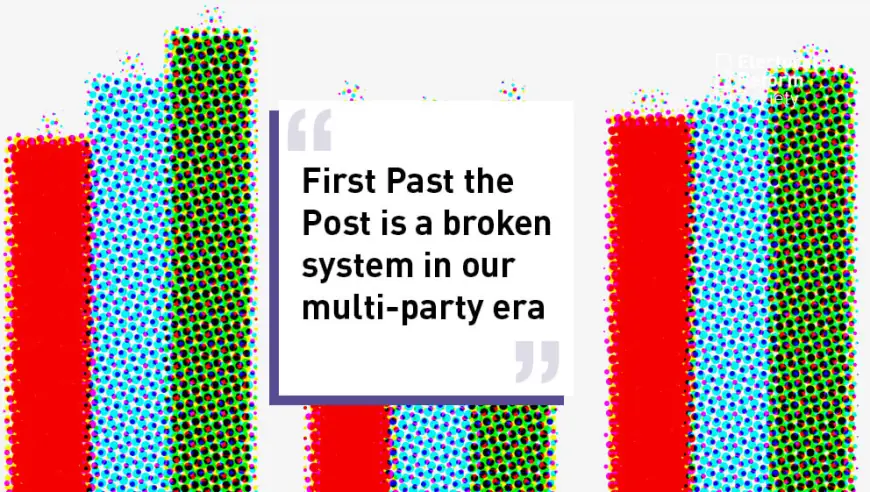
Campaign observers and commentators have resurfaced arguments that First Past the Post is failing voters in multi‑party contests. Critics point to the UK general election of 2024 as the most disproportional ever, saying Labour secured almost two‑thirds of MPs from just over one‑third of votes. Where three or more parties run strongly, it is increasingly possible for candidates to be elected with the support of fewer than a third of local voters, leaving the ballots of more than two‑thirds effectively ignored. The Greens, Labour and Reform UK all fought the by election strongly, heightening those concerns.
What experts and campaign strategists say about consequences
Professor Will Jennings of the University of Southampton said the contest was too close to call and that in Britain’s new fragmented politics “anything can happen”. Jennings warned that a Labour defeat would be “terminal” for the government’s strategy to appeal to right‑leaning voters, arguing it has alienated core progressive supporters: “It would be a symbol of the failure of that strategy and the end point for it, ” he said. He added that the worst‑case scenario for Labour would be coming third behind Reform and the Greens, pointing to the decision to stop Andy Burnham from standing as a factor. Jennings said a Labour victory would “staunch that sense of inevitability of the end of Starmer” and could mark a turning point for a government he described as eight points behind Reform in the polls and facing a resurgent Green Party, though any relief might be short‑lived because Labour is expected to suffer heavy losses when voters across England, Scotland and Wales go to the polls in the local and devolved elections in 10 weeks.
Electoral mechanics: transfers under Single Transferable Vote and an unfinished argument
Proponents of preferential voting pointed to Scottish local elections, which are run under the Single Transferable Vote (STV). Under STV, voters number candidates and, in local council by‑elections in Scotland, a ballot can be transferred to a voter’s second choice if their first choice has no chance or if no candidate has an outright majority; transfers continue until someone wins a majority. Campaigners say this system lets voters list genuine preferences rather than making tactical judgements, but the argument in the material provided ends mid‑sentence and is unclear in the provided context.
Trigger for the contest and outstanding questions
The by election was triggered by the resignation of Andrew Gwynne on health grounds in January. The former MP was under investigation by parliament for offensive messages he sent in a messaging group of local Labour figures, and the reporting of that inquiry is incomplete in the provided context.