






















Burger King Whopper Changes as RBI Maps Out Buns, Bots and Ad-Buys

Restaurant Brands International on Thursday unveiled strategic moves tied to its years-long Reclaim the Flame program, including burger king whopper changes aimed at improving core menu quality and broader operational shifts. The company described four strategic shifts that extend and expand the brand renewal work it has pursued in recent years.
RBI strategy and Reclaim the Flame
The years-long Reclaim the Flame program will continue with a renewed emphasis on core menu food quality and accelerated refranchising. Restaurant Brands International announced four strategic initiatives during an investor day on Thursday: changes to core menu items, broader operational use of artificial intelligence, extending a higher marketing fee rate, and continuing the refranchising of restaurants formerly operated by Carrols. RBI said these four strategic shifts constitute a continuation of its work to reposition and modernize Burger King in its core market.
Burger King Whopper Changes detailed
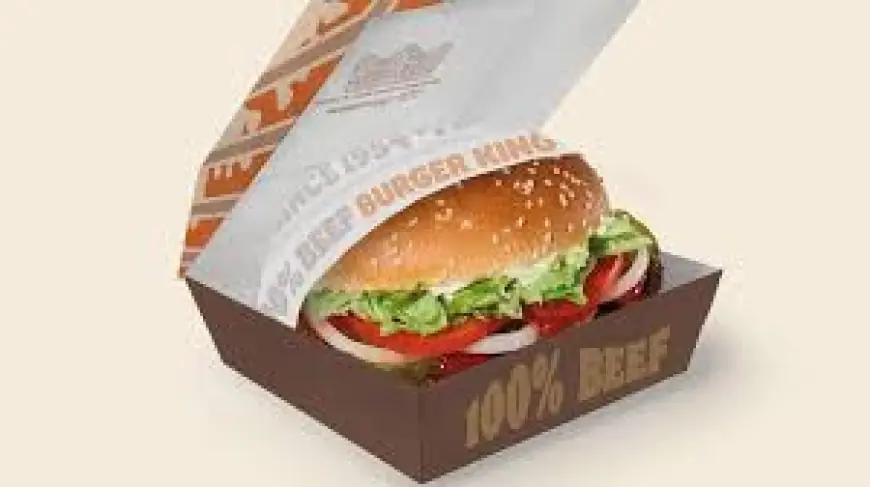
Burger King is updating its core Whopper Burger with a new glazed bun, redesigned packaging and reformulated "better-tasting, creamier mayo, " in an email. The company also said it is swapping the previous paper wrapping for a box to maintain the integrity of the sandwich. There has been no change to the burger's meat or to its lettuce, tomato and onion toppings.
Packaging, bun and mayo updates
the changes were tested in select markets and have performed well after a development process spanning years. "The enhancements have been in development for several years, alongside broader operational modernization efforts, ". "The specific updates were informed by direct Guest feedback and focused on the elements people said matter most: bun quality, topping freshness, flavor balance, and overall consistency. " The chain declined to share the specific impact of the changes on cost-of-goods-sold for franchisees, but said that it and franchisees have invested in the sandwich while working to insure costs did not increase. The chain has focused for several years on boosting the four-wall profits of its franchisees following several major operator bankruptcies.
AI tool Patty in restaurants
The burger chain is also deploying a voice-AI tool through its restaurant headsets called "Patty" that can assist workers and managers and remove stockouts from digital menus and the brand's app. Patty is meant to unify "[point of sale], kitchen equipment, inventory, and digital ordering into one command center, " the brand said in an email. It was designed using an OpenAI voice model. In addition to removing out-of-stock items from digital ordering channels, Patty can support operations by answering "questions about menu item preparation and product details, " without interrupting service. "The model is also designed to 'analyze drive-thru audio to promote order accuracy and provide coaching insights, '".
Industry pressures and peer moves
RBI framed the Whopper update as likely a response to broader industrial pressures as quick-service restaurants' pricing advantage over fast casual has eroded. The company pointed to peer activity: McDonald's is currently testing the Big Arch Burger, a large burger with two patties and premium elements including a custom-designed sauce and white cheddar cheese. Other quick-service giants have invested in similar back-of-house automations; for instance, Yum Brands launched an in-house tech system called Byte that includes an AI-powered restaurant coaching app active across thousands of restaurants.
When Reclaim the Flame launched in 2022, unclear in the provided context.
RBI said the combination of menu updates, expanded AI deployment, higher marketing fees and continued refranchising is intended to sustain the momentum of its brand renewal efforts while protecting franchise economics. The company declined to provide specific cost impacts for franchisees but emphasized collaborative investment with operators and a focus on four-wall profitability.