























Who Is The New Lady Whistledown? Bridgerton Season 4 Finale Prompts Questions About Penelope, Sophie and Benedict

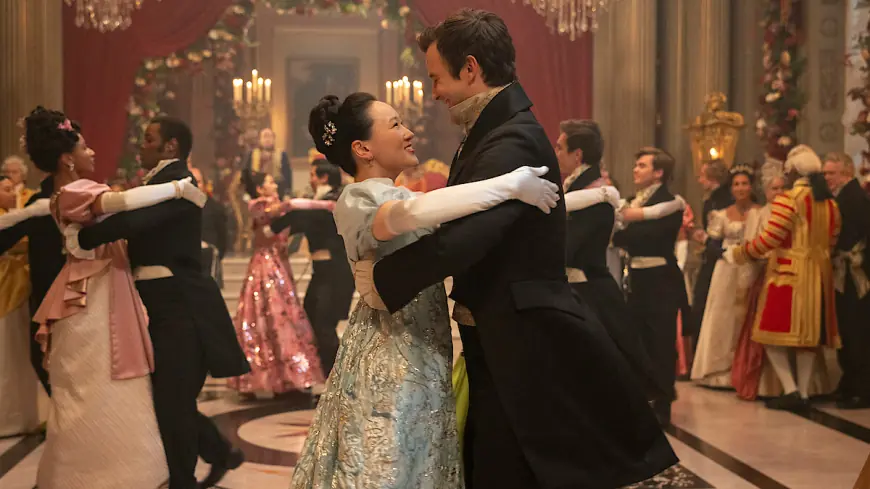
The end of Bridgerton season four has focused attention on a single mystery: Who Is The New Lady Whistledown as the series closes with Sophie and Benedict’s wedding and a swathe of unanswered plotlines. That matters now because part two finishes on consummation and a public marriage, even as several characters remain stranded in unresolved private complications.
Benedict Bridgerton and Sophie Baek: marriage, consummation and anxiety
Season four, part two advances Benedict Bridgerton and Sophie Baek from secret trysts to a wedding. The two leads are depicted as in love—described as “steamily necking on staircases”—and the arc culminates in a scene in which Sophie finally sleeps with Benedict to the sound of soaring strings. The consummation precipitates immediate anxiety: Sophie then waits for her period, creating a moment of perceived peril that the larger episode undercuts because the narrative still delivers a wedding. The finale’s resolution—Sophie and Benedict married—reduces the apparent stakes, as Sophie is unlikely to end up penniless regardless of pregnancy.
Who Is The New Lady Whistledown: Penelope Featherington’s standoff with the Queen
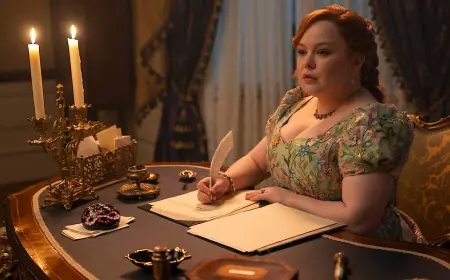
Penelope Featherington, identified in the cast listing as Nicola Coughlan and noted here as “tragically underused, ” is trying to give up writing the Whistledown newsletter, but the Queen will not let her. That refusal leaves Penelope caught between a desire to step back and a public role she cannot abandon, deepening the central mystery of who now fills the Whistledown identity and what that means for society’s gossip economy.
Supporting arcs: Violet, Eloise, Will Mondrich and Lord Anderson
Multiple supporting strands thread through the finale. Violet Bridgerton, played by Ruth Gemmell, has slept with Lord Anderson, played by Daniel Francis, but she worries about telling her children of their relationship. Eloise, portrayed by Claudia Jessie, is actively trying to avoid being put back on the marriage mart. Will Mondrich, played by Martins Isoken Imhangbe, tells Benedict that making Sophie his mistress is the only thing tolerated by society; he adds that “no matter her rank, no woman, no man, no person, truly desires to be hidden, ” a line that crystallizes the season’s tensions about rank, secrecy and public reputation.
Season structure and pacing: first four episodes versus final four
Season four is structured across eight episodes divided into two halves. The first four episodes leaned into “desperate, hungry yearning, ” while the final four concentrated on consummation—featuring secret trysts, steaming hot baths, false identities and genuinely big shocks. Because seasons are split into multiple parts and part two begins almost exactly where part one ended, critics note a lack of forward momentum: with “four more episodes” to close a chapter, the show often replays exposition rather than advancing plot.
Public reaction, promotional noise and editorial items
After the credits rolled on Sophie and Benedict’s wedding, commentators were left with many questions—the headline count reached 30 burning questions about the finale. Promotion and editorial surrounding the series included a range of adjacent items: features titled All The Stars On The BAFTAs 2026 Red Carpet, Everything You Need To Know About London Fashion Week AW26, The Key Spring/Summer 2026 Fashion Trends You Can Already Shop, and Every Star On The Front Row At New York Fashion Week. Additional headlines tied to the show spotlight Benedict’s “costly” declaration after the mistress cliffhanger and calls for viewers to give Benedict “grace” ahead of part 2’s release. Other editorial teasers included Gordon Ramsay opens final restaurant from his Netflix documentary, Rediscover your adventurous side on an exotic getaway, and a short tag: Lady Dan.
Presentation notes and the broader implication
One online page accompanying coverage interrupts viewers with a gateway message: to use the search feature, users are asked to allow Google Custom Search to load and warned it may use cookies or similar technologies, with a prompt to click “Allow and Continue” and a pointer to a privacy policy. What makes this notable is the way presentation and pacing shape how audiences perceive risk and consequence in the story: formal choices—split seasons, repeated exposition and fan-service callbacks such as the return of Jonathan Bailey and Simone Ashley’s Viscount and Viscountess to display a new baby—reduce the dramatic peril even as they amplify spectacle.
Ultimately, the finale resolves the central romantic union while leaving several character dilemmas intact: Penelope’s relationship with Whistledown and the Queen’s intervention, Violet’s secrecy with Lord Anderson, Eloise’s refusal of the marriage mart, and the public image consequences of Benedict’s earlier offer that Sophie be his mistress. Those open questions will shape audience discussion long after the wedding music fades.