






















Casey Means Hearing Puts Families and Farmers at Center of Glyphosate Debate — Who Feels the Impact First

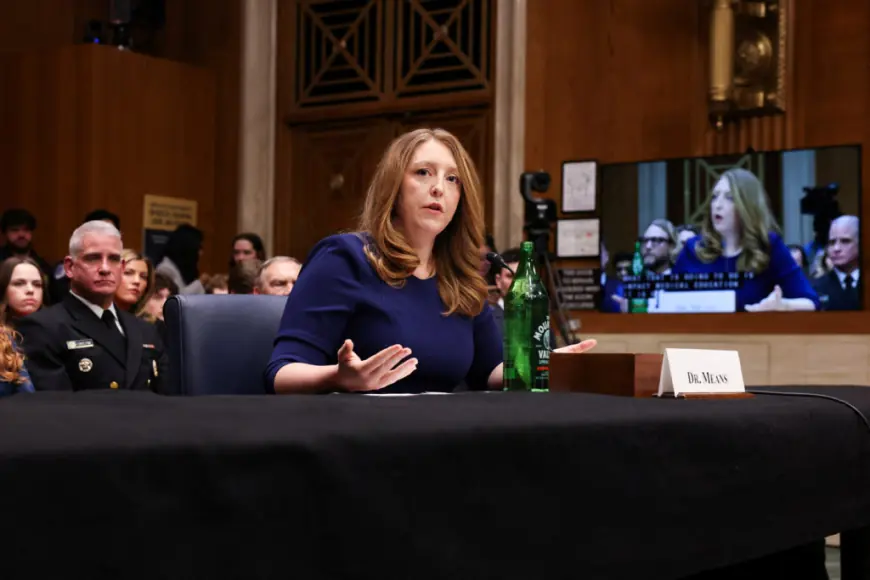
Why this matters now: nominee casey means was asked on Wednesday whether a presidential executive order to boost domestic glyphosate production conflicts with her stated concerns about the chemical — a line of questioning that puts household health anxieties and farm practices squarely in the confirmation spotlight.
Who is directly affected if policy and advocacy collide: Casey Means at the intersection of family health and farm practices
Here’s the part that matters: the exchange framed two immediate impact groups — families worried about chemical exposure and farmers facing pressure to adapt production methods. Senators pressed the nominee to reconcile her public statements about glyphosate with a federal push to increase its domestic production, forcing the question of who might feel the effects first and most acutely.
Event details from the confirmation hearing (embedded)
President Donald Trump's nominee for surgeon general, Dr. Casey Means, faced questions on Wednesday about the president's recent executive order promoting more domestic production of glyphosate, an ingredient in weedkiller, and whether that might conflict with her own beliefs about the potential effects of the chemical. Sen. Ed Markey, D-Mass., asked Means about her past comments that glyphosate causes cancer and whether she believes the executive order harms the health of families.
Positions, affiliations and key lines raised during testimony
Means was identified at the hearing as a wellness influencer and author. She is a supporter of the Make America Healthy Again (MAHA) movement, described as largely opposing pesticides in food production, and she is an ally of Health Secretary Robert F. Kennedy Jr. During questioning, she said the country must move away from using toxic inputs in the food supply, study chemicals more to understand their effects and voiced grave concern about health impacts.
Senatorial pushback and contrasting agency view
Sen. Markey pressed Means to align her past statements with the president's direction. At one point he sought to have her acknowledge that the executive order was at odds with her earlier comments, saying he was trying to help her "agree with yourself. " The Environmental Protection Agency was cited as stating there is "no evidence glyphosate causes cancer in humans. "
Policy promises and movement reactions recorded in testimony
Means later described the MAHA strategy as aiming to protect American consumers and to prioritize helping farmers move to more sustainable farming practices. She characterized those goals as important for both the planet and public health and said she would be a champion on that issue. Markey noted that the MAHA movement is not happy with the executive order.
- Clip presence: coverage included a video clip of the exchange made available alongside the hearing text.
- Contextual notes that appeared with coverage included appeals for reader support and references to related programming elements.
- Other commentary during the hearing included remarks linking broader social health concerns to national well‑being, using phrases about a "broken heart" and society "losing its mind. "
It’s easy to overlook, but the hearing combined advocacy identity and confirmation scrutiny in a way that forces a nominee to defend a movement-aligned platform while under oath.
Key takeaways:
- Nominee casey means was questioned on a presidential order promoting domestic glyphosate production and whether that contradicts her prior concerns.
- Sen. Ed Markey pressed Means to reconcile past statements about glyphosate and the executive order’s potential effects on families.
- Means is connected to the MAHA movement and aligned with Health Secretary Robert F. Kennedy Jr.; she emphasized consumer protection and transitions to sustainable farming.
- The Environmental Protection Agency's position that there is "no evidence glyphosate causes cancer in humans" was invoked during the discussion.
The real question now is how the confirmation process will balance a nominee’s public advocacy with federal policy directions that appear at odds with that advocacy. Recent coverage included calls for reader support and additional program links during the hearing's online presentation, and some ancillary material about book listings was shown alongside the broadcast elements.
Writer's aside: The exchange shows how confirmation hearings can compress policy debates — health, agriculture and advocacy — into moments that force line-by-line alignment, which is not always possible without clarifying the scope of authority and ongoing administrative positions.