














US-Iran Talks Intensify in Geneva Amid Trump’s Vigilant Stance

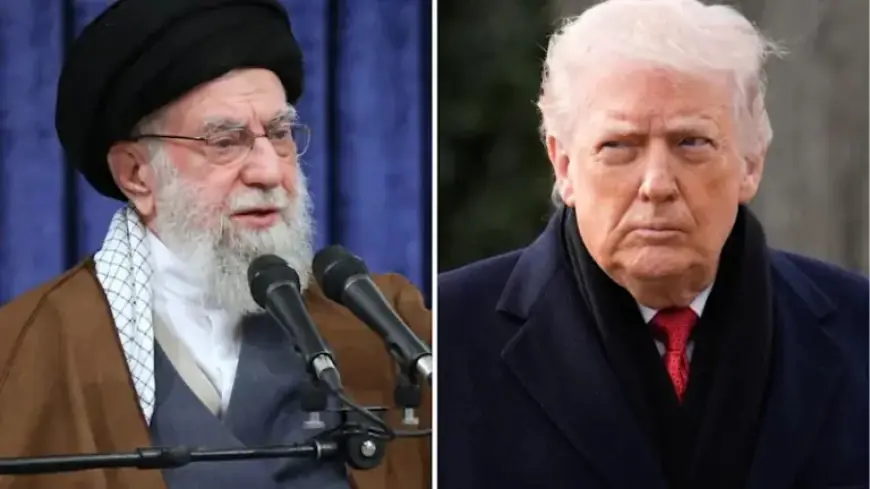
The United States and Iran are engaged in high-stakes negotiations in Geneva. These discussions are crucial as President Donald Trump aims to delay Iran’s nuclear program amidst heightened military presence in the region.
Current Negotiations in Geneva
Discussions began on the morning of February 27, 2026. They involve US special Middle East envoy Steve Witkoff and Iranian Foreign Minister Abbas Araghchi. Witkoff is a notable billionaire real estate developer and a close ally of Trump.
- Location: Geneva, Switzerland
- Key Participants: Steve Witkoff (US), Abbas Araghchi (Iran)
- Objective: Halt Iran’s uranium enrichment and missile production
Iran’s Position
Despite setbacks to its nuclear program following recent US attacks, Iran insists on continuing its uranium enrichment. Iranian Supreme Leader Ayatollah Ali Khamenei maintains that nuclear capability is essential for the nation.
Iran’s leadership has warned that US military bases and Israel could become targets if negotiations fail.
Challenges and Concerns
The current negotiations mark the third round since last year’s 12-day conflict between Iran and Israel. Failure in these talks could lead to renewed regional hostilities. The US has clarified its intention to prevent Iran from acquiring nuclear weapons.
Democratic lawmakers are also active, seeking to limit Trump’s military powers concerning Iran. They intend to introduce legislation requiring congressional approval for military actions.
Public Sentiment and Poll Findings
An AP-NORC poll conducted from February 19-23 shows mixed feelings among Americans. While many view Iran’s nuclear ambitions as a serious threat, confidence in Trump’s military decision-making is limited.
- 50% of US adults are “very concerned” about Iran’s nuclear capabilities.
- Only 25% trust Trump’s judgment on military issues.
Outlook for Diplomacy
Experts believe these negotiations are critical for future stability. A successful outcome hinges on both nations softening their positions.
Ali Vaez, an analyst from the International Crisis Group, emphasizes the importance of dialogue, stating, “There is a narrow pathway to a deal.”
Iran has indicated a possibility of agreement if discussions focus solely on nuclear weapons non-development. This could align with the Supreme Leader’s religious decrees on defense.
Abbas Araghchi acknowledges caution in these talks, reflecting on previous military aggressions. He stresses Iran’s commitment to peaceful uranium enrichment while seeking the removal of sanctions in exchange for transparency.
Conclusion
The US-Iran talks in Geneva represent a crucial moment for diplomacy amidst rising tensions. Both sides must navigate their complex positions carefully to reach a viable agreement.