

























Iceland to hold referendum on opening EU accession talks, PM says

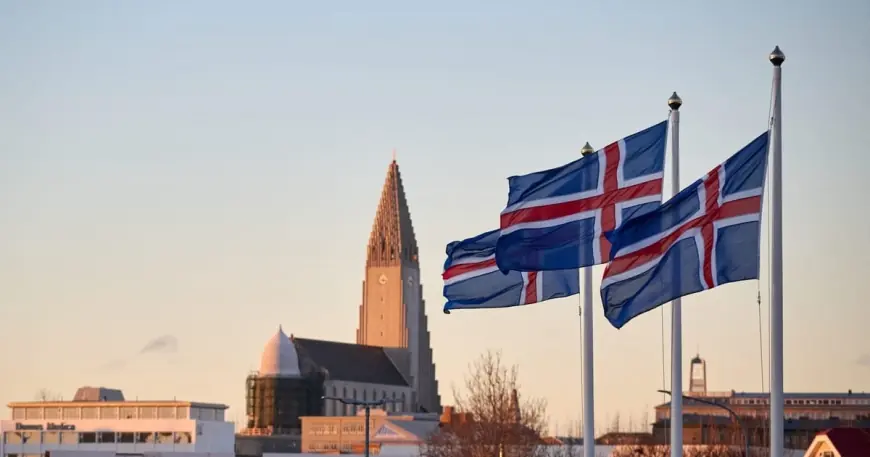
The prime minister announced that iceland will hold a referendum on opening accession talks with the European Union "in the next few months, " saying the government has not yet set a final date. The move signals a potential acceleration of plans that had previously been expected to run into 2027 and comes amid renewed diplomatic activity and talk of an imminent ballot date.
Iceland referendum timing and scope
The prime minister delivered the announcement at a press conference in Warsaw, saying the vote would take place "in the coming months" though the government has not decided the precise date. She framed the plebiscite as a vote on opening accession negotiations rather than on immediate membership, stressing that the process would open an opportunity to deepen ties with the EU while preserving national identity.
When iceland could vote
Separate reporting indicated the referendum had been expected in 2027 but could be moved up, with one account suggesting the vote might come as early as August. That coverage also noted the Icelandic parliament is expected to announce a date for the ballot within the next few weeks. The government’s public statement leaves timing intentionally flexible; any specific date remains not publicly confirmed at this time.
Stakes, identities and next steps
The prime minister said talks with foreign counterparts emphasized opening an opportunity to integrate Iceland more closely with the EU while preserving "respect for Icelandic identity within Europe. " She highlighted the need for Iceland’s distinct Arctic identity, its way of life and its approach to resource use to be taken into consideration if accession talks resume. Another leader who met with the prime minister expressed willingness to work on a flexible approach that treats big and small countries equally and said he would welcome Iceland joining the bloc.
Observers of the process point to several observable factors shaping the timeline: a recent uptick in high-level visits between Reykjavik and Brussels, a prior governmental pledge to hold a referendum by 2027 that the current administration appears to be accelerating, and geopolitical developments cited in broader coverage as contributing to the sense of urgency. Coverage also noted earlier diplomatic tensions tied to trade measures and public comments from international figures, which have been framed as increasing political momentum in some quarters.
The prime minister said her government will listen to what the Icelandic population wants. She also praised the contribution of the country’s sizable Polish community, noting roughly 30, 000 Poles live in Iceland and recounting a personal anecdote from the Warsaw visit that illustrated cross-border ties.
Looking ahead, the immediate indicators to watch are whether the parliament announces a ballot date within the weeks described in coverage, and whether the government formalizes a timetable for opening accession negotiations following the referendum result. If the ballot proceeds in the accelerated timeframe suggested in some reporting, it would represent a clear shift from the previously published parliamentary timetable and could set in motion formal accession steps that had been frozen in earlier years.