






















What Working Actors Can Learn from Judi Dench’s Mischief-Making, Says Rosamund Pike

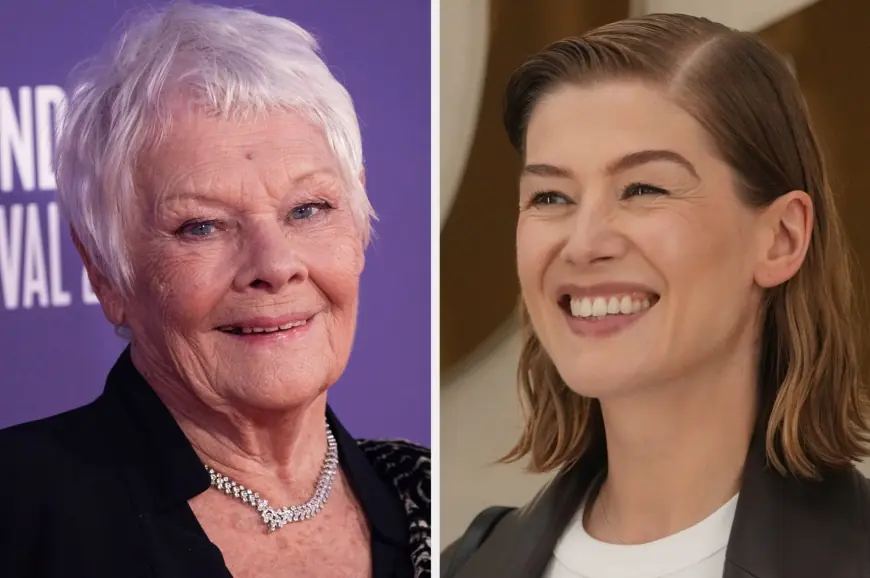
Why this matters to performers now: Rosamund Pike’s recent on-air praise highlights a model of acting where rigorous craft and off-stage playfulness coexist. In an interview, Pike named judi dench the best actress she’s worked with and described her as a “mischief maker, ” illustrating how a senior actor’s warmth and comic impulse can shape rehearsal rooms, live theatre nights and film sets—useful signals for actors building long careers.
Judi Dench’s backstage playbook — what actors notice first
Rosamund Pike’s comments frame Judi Dench as both an Oscar-winning acting legend and someone openly game for a laugh. Pike called her delightful and praised the way Dench flips from off-stage practical joking to complete, moving performance on stage or screen. Here’s the part that matters for actors: the ability to be relaxed and playful off stage can sit alongside, not against, absolute technical control when a performance starts.
Where Rosamund Pike met her favourite co-star
Pike pointed to multiple collaborations when naming her favourite female co-star. The two shared the screen in the 2005 film adaptation of Pride & Prejudice, appeared together in the James Bond film Die Another Day, and worked on a 2009 stage revival/production of Madame de Sade. Pike made these observations during a radio interview with comedian Romesh Ranganathan, citing long experience of Dench’s blend of charm and craft.
How Pike describes Judi Dench in rehearsal and performance
Pike said, in essence, that Judi Dench is “so, so good” and “such a mischief maker. ” She described Dench as both amazing in performance and playful off stage—laughing, playing practical jokes, then walking on and delivering the full role. It’s an illustration of two states: relaxed company in rehearsal and instantaneous professional focus in performance.
- Pike recommended listening to a short Judi Dench reading of a Shakespeare sonnet online to hear the emotional clarity she brings to text.
- Pike, identified in coverage as 47 years old and known for roles in Gone Girl and Saltburn, contrasted Dench’s openness with the different experience of working with Christian Bale.
Christian Bale, method acting and Pike’s own approach
On male co-stars, Pike named Christian Bale as the best actor she’s worked with. She said Bale is “another level” and that his Method approach meant she didn’t really get to know him personally while working together on the film Hostiles. Pike described him as someone who creates deep commitment to a character, shuts out noise, and prioritizes the work over image. She also said she can be playful up until the last minute and then switch on when a performance calls for it.
Backstage stories that shape a working culture
Several colorful anecdotes underscore the point that Dench’s mischief is part of her public persona. Examples mentioned include an accidental naked FaceTime surprise involving one of her James Bond co‑stars, and her marking her 81st birthday by getting her first tattoo—both cited as part of a pattern of off-stage naughtiness. Another co-star, Lesley Manville, once admitted she wet herself while working with Dench after Dench tried to make her laugh from the wings of the stage. These stories feed the idea that playfulness can be an engine for closeness and spontaneity among company members.
- Pike’s praise for Dench mixes admiration for technical excellence with delight in her off-camera personality.
- Comparisons drawn by Pike between Dench and Bale offer two case studies in sustained excellence: one mixing levity and precision, the other deep method immersion.
- If you’re wondering why this keeps coming up, it’s because these anecdotes highlight how reputation and behavior influence cast dynamics long after a production ends.
What’s easy to miss is how these small backstage details—practical jokes, unexpected stunts, bold personal choices—become shorthand for a larger working style that younger actors can observe and adapt to their own careers. The real test will be whether those observed behaviors translate into mentorship, company morale and consistent performance under pressure.
Micro timeline (high-level):
- 2002: Die Another Day (shared film credit).
- 2005: Pride & Prejudice (film adaptation they worked on together).
- 2009: Stage revival/production of Madame de Sade (shared stage work).
Key takeaways:
- Established actors can model a dual practice of play and discipline.
- Backstage mischief need not undermine performance—often it precedes a focused, moving onstage presence.
- Different approaches coexist at the top level: Dench’s blend of warmth and control versus Bale’s immersive method.
- For working actors, observing these dynamics in specific collaborations can offer practical lessons for rehearsal life and career longevity.
Writer's aside: The bigger signal here is that admired performers often combine technical rigor with an unapologetic sense of fun; that mix can be as instructive as any masterclass.