















Chicago Pd and the 'Reckoning' Swap: How a One-Week Schedule Shift Reframes March for the Franchise

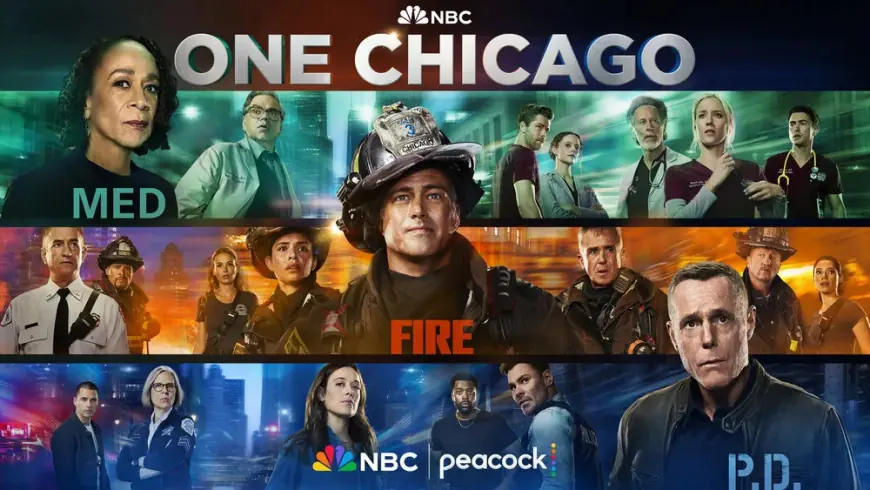
Why this matters now: fans expecting new episodes on February 25 will have to wait — and that delay matters because it creates a compact, continuous event that shifts pacing, viewing order and immediate momentum across the interconnected shows. The crossover move places chicago pd at the tail of a three-part story on March 4, with a rare one-week swap that puts Fire before the other entries to preserve narrative flow.
Why the change changes Chicago Pd’s story rhythm
Putting Chicago Pd (Part 3) last in the sequence is more than scheduling trivia. The decision to air Chicago Fire before the other two for one week is explicitly intended to make the crossover play as a continuous, flowing narrative; that order affects how cliffhangers land, how emotional beats transfer between shows, and how audiences carry information into the Intelligence Unit’s third-act pursuit. If you follow multiple series in the franchise, the swap concentrates the climax on a single night rather than diffusing it across separate weeks — a deliberate move to heighten impact.
Here’s the part that matters for viewers who track episode continuity: the crossover is designed to bleed from one episode to the next, so catching each installment in the new order will preserve story clarity and character context.
Event details and what each episode brings
Instead of a step-by-step recap, focus on the functional roles each series plays in the crossover and the stakes they hand off to Chicago Pd.
- Chicago Fire (Part 1) — Firehouse 51 responds to an airfield emergency after a passenger jet goes silent mid-air. The crew’s discovery triggers a larger and deadlier mystery that could endanger many lives. (TV-14)
- Chicago Med (Part 2) — The doctors at Gaffney race to solve a baffling medical mystery tied to the passenger jet while patients’ lives hang in the balance. (TV-14)
- Chicago Pd (Part 3) — An airfield emergency escalates into a deeper investigation involving the passenger plane; the Intelligence Unit pursues the culprit under scrutiny from the FBI. (TV-14)
chicago pd is positioned as the procedural payoff of the crossover: it converts the operational discoveries and medical puzzles into a high-stakes pursuit. That payoff depends on viewers seeing the earlier installments first, which explains the temporary airing reshuffle.
- Key scheduling timeline (subject to change):
- Feb. 25 – No new episode across the three series; viewers should not expect new airings that night.
- March 4 – The three-part "Reckoning" crossover airs in a new one-night sequence, with Chicago Fire leading into Chicago Med and concluding with Chicago Pd.
What’s easy to miss is that this compact approach is a tactical choice to make a crossover feel cinematic on broadcast television — a single night where plot threads are resolved in quick succession rather than stretched out.
Key takeaways:
- The crossover was postponed from the February 25 window and will run on March 4 in a one-week altered order.
- The sequence swap places Fire first to preserve narrative flow and concentrate the climax on Chicago Pd.
- Each episode carries a distinct functional role: incident response, medical unraveling, and investigative pursuit.
- All three installments are rated TV-14 and intentionally designed to lead directly into one another.
- After the event, the franchise is expected to return to its usual rhythm with standalone cases and character spotlights.
The real question now is whether the single-night approach will deliver stronger audience momentum for the Intelligence Unit’s resolution — and whether viewers who follow only one of the shows will find themselves missing key context. If you’re wondering why this keeps coming up, it’s because the airing order determines how the reveal and the chase unfold for Chicago Pd.
Recent updates indicate the crossover plan and the one-week airing swap; details may evolve, and viewers should expect scheduling notes to be final closer to broadcast.