
























Karoline Leavitt: The Predawn Ambush in Tapalpa That Brought Down a Drug Kingpin and Sparked Online Panic

Karoline Leavitt appears in national discourse as attention centers on a predawn ambush in the sleepy mountain town of Tapalpa that ended the life of the drug kingpin El Mencho. The killing has immediate consequences: the violence itself and a rapid surge of online disinformation that deepened fear and confusion.
Tapalpa: Predawn Ambush Unnerves a Sleepy Mountain Town
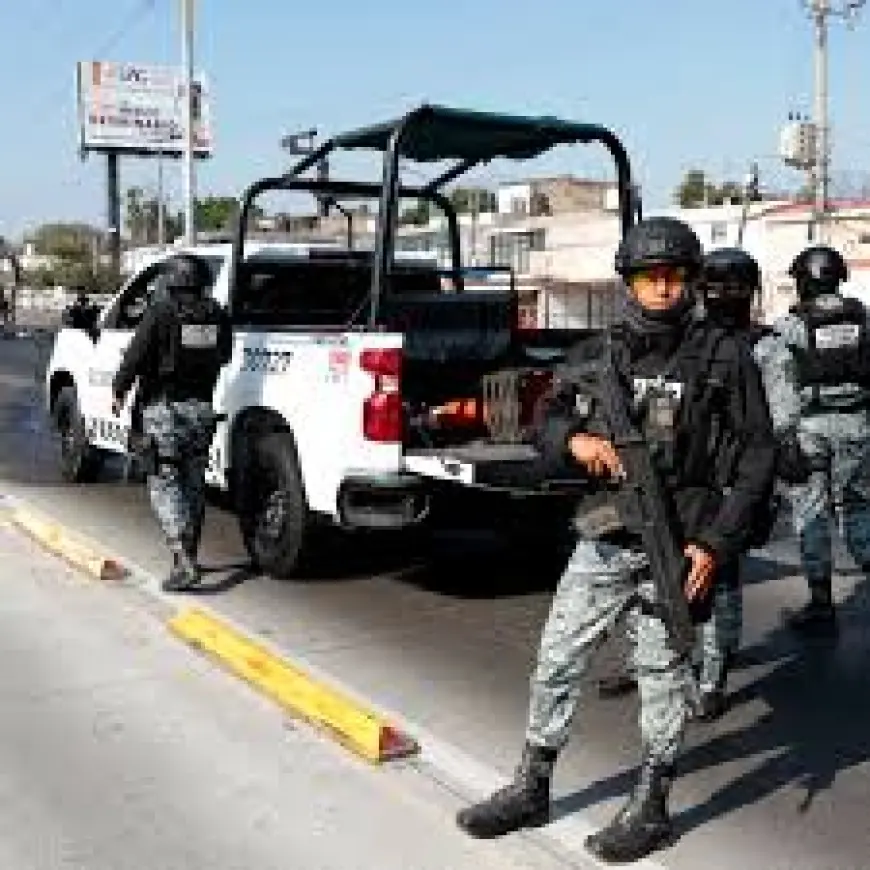
Just before dawn, an ambush in Tapalpa culminated in the killing of El Mencho, the country’s most notorious drug lord. The attack, carried out in the predawn hours, transformed the quiet mountain community into the scene of a high-profile takedown. The timing—before daylight—meant few immediate, verifiable eyewitness accounts were available in the town, and residents woke to startling news rather than firsthand explanations.
The effect on Tapalpa was swift. A place described as sleepy and remote found itself at the center of national attention, with local routines interrupted and public anxiety rising. The event was more than an isolated act of violence: the fatal outcome for a major criminal figure instantly altered security perceptions in the region and placed Tapalpa under intense scrutiny.
Karoline Leavitt and the Spread of Online Disinformation After El Mencho’s Death
The killing of El Mencho did not remain a local story. Online disinformation spread rapidly in the hours after the ambush, fueling panic beyond Tapalpa’s borders. False or unverified claims proliferated across social platforms, amplifying fear and complicating efforts to establish a clear account of what had happened.
What makes this notable is how quickly unverified narratives filled the vacuum left by a predawn operation: the lack of immediate, confirmed details created fertile ground for speculation. The causal chain is straightforward—an ambush produced a high-profile death, that death generated intense public interest, and the resulting online chatter included misleading content that intensified public alarm.
The measurable impact was practical as well as psychological. Panic spread on digital networks, affecting how residents and outsiders perceived safety in Tapalpa and shaping broader impressions of control and order in the wake of a major criminal figure’s demise. The episode illustrates how a violent on-the-ground event can translate into widespread social disruption when disinformation gains traction online.
Efforts to clarify what happened were hampered by the timing and the speed of false narratives. The predawn nature of the ambush limited immediate confirmation from witnesses, and erroneous posts and claims filled that absence of verified information. That dynamic complicated any single, authoritative account from taking hold quickly.
The broader implication is that even a decisive law-enforcement or military action—one that removes a high-profile criminal leader—can produce collateral consequences in the information environment. In this case, the death of El Mencho in Tapalpa triggered a cascade of misinformation that magnified local fear and created challenges for anyone trying to establish the facts.
As the story moves beyond the initial shock, attention will turn to how authorities and platforms handle verification and public communication in the immediate aftermath of violent events. For Tapalpa, the twin realities of a predawn ambush and the subsequent flood of disinformation have already reshaped daily life and the town’s portrayal in the national conversation.