






















S26 Ultra privacy display and anti-snooping features explained

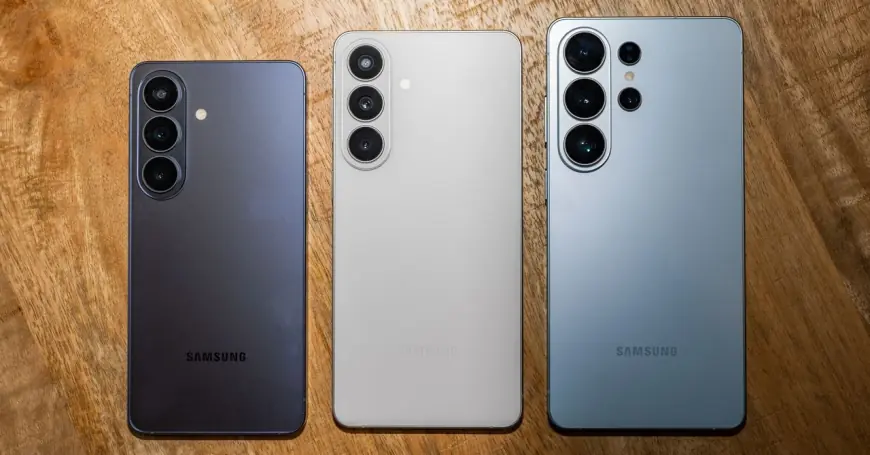
Samsung unveiled the Galaxy S26 series at Galaxy Unpacked in San Francisco, and the s26 ultra is singled out for a hardware-driven Privacy Display meant to stop onlookers from reading your screen. Here's everything you need to know.
S26 Ultra Privacy Display details
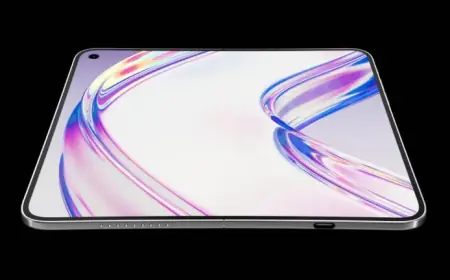
The top-tier Galaxy S26 Ultra introduces a built-in privacy screen that prevents stray eyes from peeping over a shoulder and blurs what can be viewed from the side and beyond. The display is hardware-driven: the OLED panel uses two types of pixels, one that shoots light directly to the viewer's eyes and another that is wider and normally allows light to reach the sides for wider viewing angles. When the Privacy Display is enabled, the wider pixels are turned off, severely limiting what people around you can see and not only blocking left and right but also top and bottom views—a behavior similar to an anti-snooping phone that blurs if viewed from the side.
How the Privacy Display is customized
Samsung has tied the Privacy Display into software controls. Users can toggle it on for the entire screen with a Quick Settings tile, enable it for all incoming notifications, set it on a per-app basis, or require it for any app that uses a pin or passcode, such as banking apps. The feature also integrates with Routines, so it can automatically turn on geolocation—for example, when you leave the office.
Performance and AI focus
The Galaxy S26 series is pitched as being all about optimization and AI. Samsung highlighted performance optimizations that purportedly boost AI processing, and the company baked a number of new AI features into the phones. The new phones are not hugely different from last year's Galaxy S25 models in overall design or visual identity.
Design, materials and camera changes
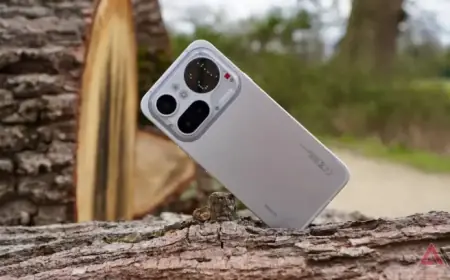
All three Galaxy S26 phones share the same look this year; the Ultra isn't as boxy, a change Samsung says was made to make the entire series feel more cohesive. The camera modules no longer float individually on the back; instead a glass module wraps around the cameras. The Galaxy S26 Ultra swaps aluminum for the titanium used previously, a change that makes the phone 4 grams lighter and allows the device's color to show more consistently from the back to the edge.
Pricing, availability and earbuds
The Galaxy S26 series is available for preorder now, with official sales kicking off on March 11. The Galaxy S26 and S26+ are getting a $100 price increase and start at $900 and $1, 100, respectively, while the Galaxy S26 Ultra remains at the same price as its predecessor: $1, 300. Samsung also unveiled a new pair of wireless earbuds, the Galaxy Buds4 priced at $179 and the Buds4 Pro at $249, both arriving on March 11.
Real-world use and screen impressions
Early impressions note that enabling the Privacy Display produces only a small reduction in overall brightness; one observer wrote, "I didn't notice a change in screen quality, but there is a small reduction in overall brightness (it wasn't a significant drop). " That contrasts with many third-party privacy screen protectors, which often cause dramatic reductions in brightness and can make screens look fuzzy. The built-in solution aims to avoid those flaws, making it easier to read sensitive work documents on a plane or keep messaging notifications private from the person next to you.
Samsung's launch of the Galaxy S26 series in San Francisco emphasizes incremental design updates and a set of AI and optimization improvements, while reserving the most visible hardware novelty—the Privacy Display—for the S26 Ultra. Here's everything you need to know.