



















John Davidson Discusses Tourette’s Tics Following BAFTA N-Word Incident


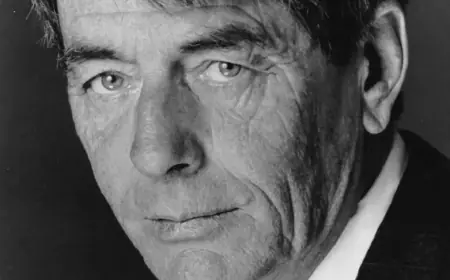
During the 79th BAFTA Awards, John Davidson, a prominent activist for Tourette’s syndrome, found himself in a challenging situation. His involuntary vocal tics unexpectedly disrupted the ceremony, leading to an outburst of offensive language while actors Michael B. Jordan and Delroy Lindo presented an award. Davidson, whose life inspired the film “I Swear,” detailed his experience in an exclusive interview.
Understanding Tourette’s Syndrome
Tourette’s syndrome is often misunderstood. Many people assume it solely involves involuntary swearing or saying slurs. However, Davidson explained that only about 10% to 30% of those with Tourette’s experience coprolalia, which is characterized by the involuntary use of obscene language. The true challenge lies in the stigma and misconceptions surrounding the condition.
Impact of Misunderstanding
Davidson described his personal struggles with Tourette’s, noting that the condition has led to severe physical and emotional distress. He recalled a traumatic incident where he was attacked after a tic. The resulting shame and guilt from unexpected words can be overwhelming for those affected by Tourette’s.
The BAFTA Experience
Davidson’s decision to attend the BAFTA ceremony was significant. The event featured six nominations related to “I Swear,” a project he had invested three years into. Despite recent health challenges, he was determined to be present. Yet, the experience did not unfold as he hoped.
Communications and Precautions
- Davidson expected BAFTA and BBC to implement precautions to manage his tics during the event.
- He had previously worked on projects with the BBC, anticipating they would be aware of his condition.
Despite sitting far from the stage, Davidson expressed confusion about the microphone placement near him and questioned its appropriateness, given his condition.
Reactions and Aftermath
Upon realizing that his tics were audible to the audience, Davidson felt a wave of shame wash over him. He wanted people to understand that his tics were involuntary responses, completely divorced from his beliefs or feelings. Following the incident, he reached out to apologize to those affected, including Jordan and Lindo.
Ongoing Education and Advocacy
Davidson has dedicated years to educating others about Tourette’s syndrome. He believes progress is being made, but there remains significant work to do. Negative reactions following his outburst highlight the need for greater understanding of this neurological condition.
A Call for Sensitivity
Davidson urges media outlets to choose their words carefully when discussing Tourette’s. He advocates for removing terms such as “outburst” or “uncontrollable,” favoring a description that reflects his lived experience without stigmatizing language.
As public awareness of Tourette’s syndrome grows, Davidson hopes that sharing his story will foster empathy and understanding for those living with the condition.