























Trump State Of The Union Coverage Arrives as a Clustered Media Moment, Shaping Immediate Impact

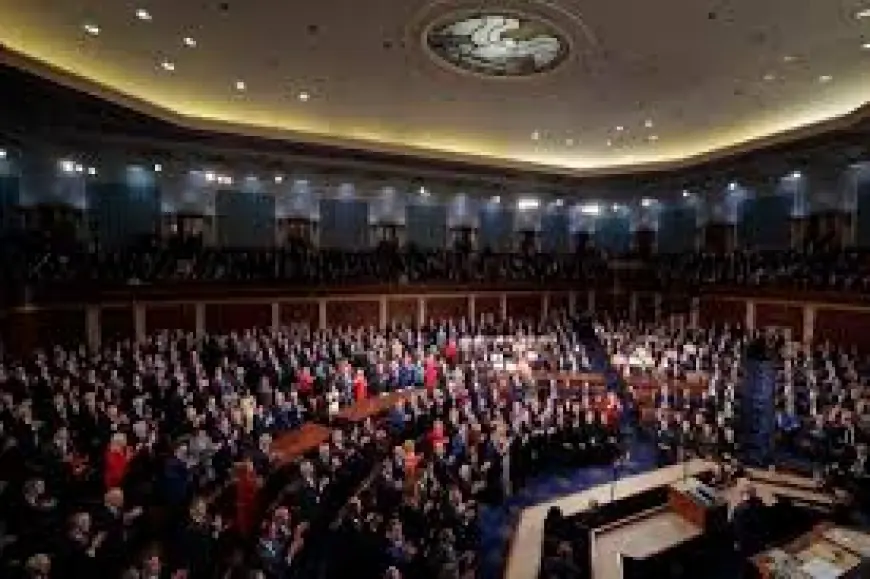
The Trump State Of The Union coverage matters now because three prominent headline frames appeared in quick succession, compressing analysis into an intense news window. That burst — headlined as takeaways and as spectacle and published 8 hours ago, 3 hours ago, and 20 minutes ago — concentrates attention and forces rapid interpretation. For readers and editors alike, the immediate impact is the pacing: narrative judgments are being formed within hours.
Immediate ripple effects from Trump State Of The Union headlines
Because multiple headlines hit the cycle in a short span (8 hours ago; 3 hours ago; 20 minutes ago), the initial consequence is tempo: commentators and audiences will be responding to overlapping frames at once. That simultaneity amplifies simple framings — for example, labeling the address as a list of takeaways or as a spectacle — which can shape downstream coverage and public reaction.
How the coverage presented the address (the raw headlines and timing)
- Takeaways from Donald Trump’s State of the Union address — published 8 hours ago (publisher redacted)
- 5 takeaways from Trump's State of the Union address — published 3 hours ago (publisher redacted)
- Trump’s Spectacle — published 20 minutes ago (publisher redacted)
These three distinct headlines and their timestamps are the factual anchors for this piece; they represent the explicit reporting rhythm available in the provided context.
Framing differences visible in the headlines and what they imply
The two "takeaway" frames emphasize digestible points and analysis, while the "Spectacle" frame foregrounds tone and presentation. Here's the part that matters: those framing choices will likely determine which aspects of the address are amplified in follow-up pieces and social discussion. It's easy to overlook, but the single-word shift from "takeaways" to "Spectacle" signals a change in emphasis from substance to style.
Practical implications and short signals to track
- A compressed news window increases the chance that early framings stick; expect repetition of the same few angles across commentary in the near term.
- Readers encountering different headline frames within hours may come away with divergent impressions based on which piece they see first.
- Sharper editorial labels ("takeaways" vs. "spectacle") reduce nuance in initial coverage, making later corrections or deeper dives less likely to reach audiences who saw only the first headlines.
- A quick succession of pieces suggests ongoing editorial attention; additional headlines within the same cycle would confirm continued focus.
The real question now is whether subsequent coverage will broaden beyond these initial framings or double down on them. A short timeline embedded in the reporting pattern is already visible: the first headline (8 hours ago), a follow-up (3 hours ago), and a later reinterpretation or reframing (20 minutes ago). That sequence, compressed into hours, is the central fact in the available context.
Final editorial note: this article is built strictly from the three headlines and their published times provided in the brief; deeper specifics about the address itself are unclear in the provided context and therefore not included here.