






















Moore and Miller File for Second Term as Challengers Coalesce

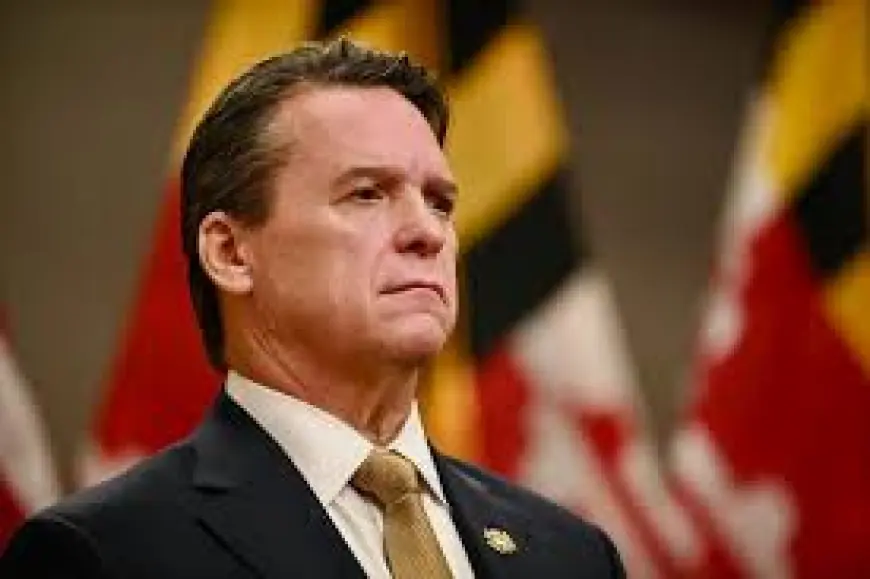
Gov. Wes Moore and his running mate miller formally registered their ticket Monday at the Maryland State Board of Elections in Annapolis, completing paperwork one day before the filing deadline. The filing crystallizes a campaign centered on the first three years of Moore’s administration while rivals organize across both parties ahead of a June primary and a fall general election.
Maryland State Board of Elections filing in Annapolis
Moore and Lt. Gov. Aruna Miller traveled to the State Board of Elections headquarters on Monday afternoon to sign the documents that make their second-term bid official, despite a state of emergency in effect. The campaign’s late filing came just before the 9 p. m. Tuesday cut-off for candidacy submissions; supporters greeted the pair with cheers outside the elections office.
Campaign claims after three years in office
Moore, who launched his reelection bid last fall, told a small group of reporters inside the elections headquarters that he is eager to campaign on achievements from his first three years. He cited cutting crime rates, attracting new businesses and lowering teacher vacancy levels as accomplishments and said the administration has “still more work to do” while expressing enthusiasm about existing momentum.
Democratic primary set for June and opponent filings
The governor will first face voters in June’s Democratic primary, where he currently has one listed opponent: Eric Felber, a Montgomery County physician whose medical license is suspended. Perennial candidate Ralph Jaffe had filed as a Democrat earlier but died this month. The filing deadline and the formal registration complete the administrative steps that begin the next phase of campaigning.
Republican field and candidates including Dan Cox and Ed Hale Sr.
The Republican primary has drawn a large slate of challengers. Among the better-known names are Dan Cox, a lawyer and former state delegate who lost to Moore in 2022, and Ed Hale Sr., a retired banker who switched parties for this election. Other Republicans on the ballot include Carl Brunner Jr., L. D. Burkindine, John Myrick, Michael Oakes, Nancy Jane Taylor and Kurt Wedekind. Former Gov. Larry Hogan has declined to run.
Miller’s role on the ticket and campaign resources
The Moore-Miller ticket made the filing official with Aruna Miller beside Moore. The campaign enters the cycle with significant financial resources and political advantages: Moore has more than $8 million in campaign funds, high name recognition and steady approval that experts say will make him a formidable incumbent.
Voter concerns: audits, agency management, energy bills and prescription coverage
Alongside the filings, critics and voters raised concrete concerns that could shape the campaign. Cited problems include poor audits and money-management questions in some state agencies and a surge in energy costs that residents say is squeezing household budgets. One resident said an electric bill had climbed to about $1, 800 a month without additional equipment or usage changes. Political analyst John Dedie noted that energy and the broader cost of living are likely to be driving issues in the race and that utility bills and prescription coverage losses are salient examples of voters feeling left behind; Dedie added that the Republican nominee will need persuasive solutions to capitalize on those concerns.
Stephen Hershey ends gubernatorial exploration and refiles for Senate
On the GOP side, state Sen. Stephen Hershey had explored a gubernatorial run and launched an exploratory committee but ended that effort and filed instead to run for reelection in his Eastern Shore district; another reference names him as Senate Minority Leader Steve Hershey, who paused the gubernatorial push and returned to a Senate reelection bid. Separately, the Green Party’s Andy Ellis has filed to seek his party’s nomination.
What makes this notable is the juxtaposition of an incumbent with substantial funding and visibility facing a fractured opposition and a slate of specific voter grievances—energy bills, audit findings and prescription coverage gaps—that could recalibrate campaign messaging. The Moore campaign will highlight achievements from its first three years while opponents position those tangible concerns as reasons for change.
The coverage of the filings also noted ancillary details about the reporting: one account opened with a line that President Trump delivers the State of the Union to Congress. Pamela Wood, who covered Maryland politics for one of the accounts, is identified as a University of Maryland, College Park graduate who previously reported for The Baltimore Sun and The Capital and lives in Anne Arundel County.
With Monday’s paperwork complete, the practical race now moves to organizing for the June primary and continuing to press arguments about economic pressure points and administrative performance ahead of the general election.