





















Maduro’s Detention Reverberates Through Venezuela: Who Feels the Immediate Impact and How Diplomatic Pressure Is Shaping the Moment

Who feels the shock first is decisive: families of detainees, political rivals and diplomats are already recalibrating responses after maduro was removed from Venezuela and placed in US custody. The demands from Caracas and Moscow for an "immediate release" have converted a single arrest into a diplomatic flashpoint that is affecting domestic reconciliation efforts, sanctions relief moves and the fate of hundreds eligible for a newly approved amnesty.
Maduro’s detention and its immediate human and political toll
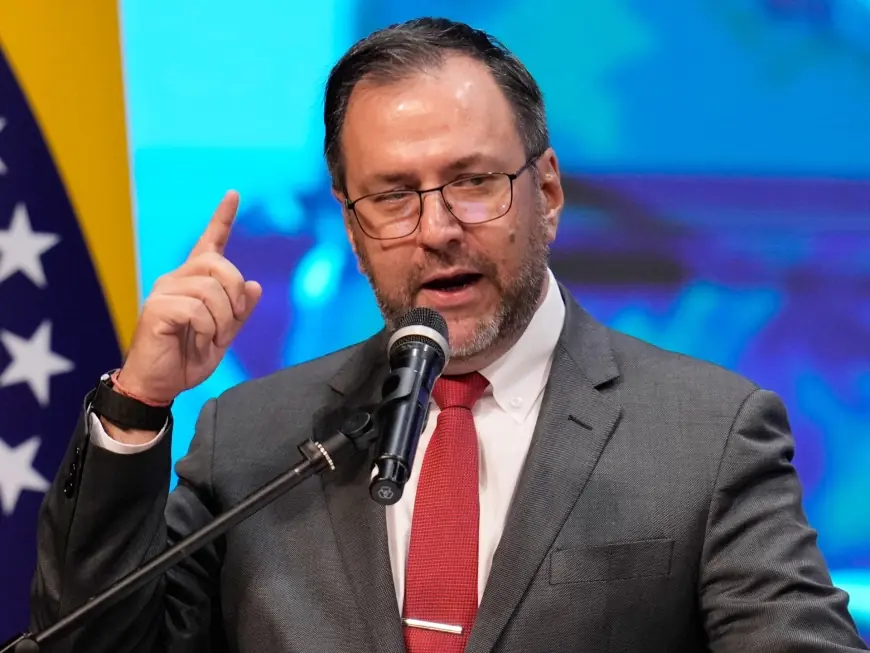
Venezuela’s foreign minister told the UN Human Rights Council that the operation was a "political operation" and demanded the immediate release of President Nicolas Maduro and his wife. Simultaneously, a top Russian diplomat pressed Washington to free Maduro, calling the action a violation of international law. Here’s the part that matters: those diplomatic demands are not abstract gestures — they alter negotiations and public messaging inside Venezuela at a fragile moment for governance and humanitarian conditions.
What’s easy to miss is the overlap between legal action overseas and domestic policy shifts at home. While Maduro and his wife remain in New York awaiting trial on drug trafficking and related charges, Venezuela has already started a process of reconciliation and political coexistence highlighted by a newly approved amnesty law. That law has cleared hundreds of political detainees in one week alone, a move that changes who is politically active inside the country and who is free to press for reform or opposition.
Event details, legal status and diplomatic responses
Records in recent statements place maduro and his wife in US custody after what was described as a violent raid carried out on January 3. They appeared in a New York courtroom and pleaded not guilty to the charges they face. Venezuela’s foreign minister characterized the operation as part of a broader, long-running campaign of pressure that has included blockades and sanctions; he also said the action resulted in more than 100 deaths. Russia’s deputy foreign minister labeled the operation a "flagrant" breach of international law and urged immediate release.
- Legal status: Maduro and his wife are in US custody and have entered pleas in a New York court.
- Domestic politics: An interim leader has assumed presidential duties inside Venezuela and the political tone among top officials has shifted between defiance and conciliation.
- Humanitarian/economic note: International financial commentary has described the country’s economic and humanitarian situation as fragile, citing steep inflation and currency decline; sanctions and domestic policy have both been mentioned as contributing factors.
- Recent legislative action: A new amnesty law has been enacted that could free hundreds jailed over political unrest; hundreds were granted amnesty in a short period after the law took effect.
The real question now is how Washington responds to simultaneous calls for release from Caracas and Moscow, and whether diplomatic pressure will influence legal proceedings or sanctions policy. Treasury actions in recent days eased some restrictions on the energy sector, the most notable reprieve since the detention was announced — a development that already changes the economic landscape for Venezuela’s negotiating position.
Groups directly affected include those recently released under the amnesty, families of those still jailed, political actors inside the interim administration who are balancing domestic calm with ongoing faultlines, and international diplomatic actors engaged at the UN. These stakeholders will feel immediate consequences in security, legal strategy and public messaging.
Micro timeline (verified points):
- January 3: A forceful operation removed Maduro from the capital and placed him in US custody.
- Days later: Maduro and his wife appeared in a New York court and entered not-guilty pleas.
- Recent week: Venezuela enacted an amnesty law that led to the release of hundreds of political detainees.
The bigger signal here is that an individual arrest has become a lever in larger diplomatic bargaining, reshaping both immediate humanitarian measures and longer-term political calculations. Any next changes are likely to show up first in courtroom scheduling, sanctions adjustments, and shifts in public reconciliation rhetoric rather than overnight political fixes.
If you’re wondering why this keeps coming up: the detention touches legal, diplomatic and humanitarian tracks simultaneously, so developments in one lane will ripple into the others.