






















State Of The Union 2026: Trump Seeks to Reframe First Year as Tariffs Kick In and Lawmakers Push Back

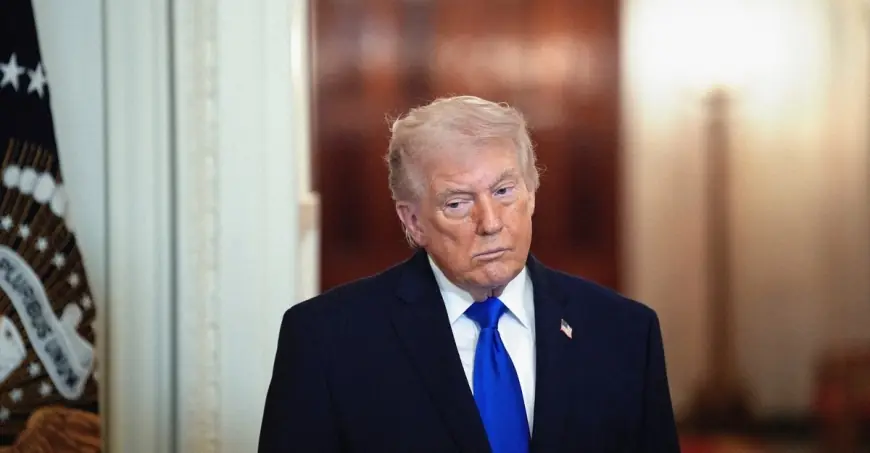
President Donald Trump delivered his annual State Of The Union address to a joint session of Congress, pressing economic and immigration achievements at a moment of falling approval and new trade measures taking effect. The speech matters now because it lands ahead of November’s midterm elections while a 10% global tariff regime has just begun and bipartisan tensions over policy and conduct are on visible display.
State Of The Union 2026: Tariffs, Polls and the Midterm Stakes
Trump used the address to claim a sweeping domestic turnaround and to press themes he says will persuade voters before November’s midterm elections, when Republican allies defend slim control of both the Senate and the House of Representatives. The White House has signalled the speech would run long as new global tariffs took effect at 10% — a lower rate than the 15% the president threatened the previous weekend — a move that a lobby group said provides "some relief" for British businesses.
Arrival at the Capitol: Family, Justices and an Ejected Protester
All of the president’s children attended the address, alongside First Lady Melania Trump and four Supreme Court justices. Texas Democratic congressman Al Green, who was protesting the president, was escorted out shortly before the remarks began.
Economic Claims, Numbers and Ongoing Fact‑Checks
Mr. Trump repeatedly touted market gains and inflation progress. He told Congress that core inflation had been driven down to the lowest level in more than five years and said the stock market "has set 53 all time record highs since the election. " He also claimed his administration attracted more than $18 trillion in investment within its first year. Those assertions prompted immediate scrutiny: Verify will be fact‑checking claims made by the president throughout the evening.
At the same time, polls cited in coverage show erosion in public support: one media poll placed 68 percent of Americans saying the president has not paid attention to the country’s most important problems, up from 52 percent a year earlier; another cross‑outlet poll put disapproval of his handling of the economy at 57 percent. That decline in support has been linked to public discontent over the economy and immigration, weakening the very pillars of the 2024 campaign Trump ran on.
Immigration, Enforcement and Backlash
Immigration remained central to the address. The president praised his administration’s progress in stemming illegal crossings and reducing fentanyl flows at the border while defenders warned that recent aggressive enforcement actions have produced political fallout. Officials’ expansion of ICE operations and mass deportation efforts have become broadly unpopular, a trend sharpened by a recent backtracking on an immigration‑enforcement crackdown in Minnesota and by two killings in Minneapolis that critics say magnified scenes of federal agents terrorizing communities.
Foreign Policy, Iran Buildup and Latin America Operations
The address coincided with a pronounced military posture abroad. Washington has deployed the largest force of aircraft and warships to the Middle East since the 2003 buildup, and the administration’s buildup over Iran raised the prospect of ordered strikes. The security posture follows an operation in which special forces seized Venezuelan president Nicolás Maduro and took him to stand trial on US soil, an action described in coverage as occurring just weeks earlier.
Defense, Tech Talks and a Friday Deadline for Anthropic
US military leaders, including Defense Secretary Pete Hegseth, met with executives from the artificial‑intelligence firm Anthropic to resolve a dispute over government access to the company’s model. Hegseth gave Anthropic CEO Dario Amodei until the end of the day Friday to agree to the department’s terms or face penalties.
Democratic Response, Internal Party Choices and Broader Political Fallout
Democratic lawmakers announced a range of responses: some planned to boycott the address while others would attend in what the House minority leader urged be "silent defiance". Party leaders altered tactics for rebuttal: Abigail Spanberger, who was elected governor of Virginia in a landslide last November, was deputized to deliver the traditional response, while Senator Alex Padilla will give the Spanish‑language version. Observers noted that Democratic strategy aims to use the moment to make their own case to voters without repeating past missteps.
The address arrived amid other political headlines. Congressman Tony Gonzales refused growing calls to resign from fellow Republicans amid a furore over allegations of an affair with a staffer who later died by suicide. The Justice Department sued the University of California, Los Angeles, alleging the university created a hostile work environment for Jewish and Israeli faculty and staff after protests against the war on Gaza. US Senate Democrats launched an investigation into whether the Federal Communications Commission and the CBS parent company, Paramount, prevented a late‑night host from broadcasting an interview with Texas Democratic candidate James Talarico. Coverage also noted cancellations and delays of new US datac — unclear in the provided context.
Outlook and What to Watch Next
Advisers urged the president to stay on message—highlighting job growth, cooled inflation and trade deals—and to point to a Dow that recent coverage placed at 50, 000 in recent days. What makes this notable is the convergence of domestic complaints and international tensions at a moment when the president’s approval numbers on core issues have slipped; that mix increases the stakes of whether the address will change voters’ calculations before November. Commentators warned the best outcome would be a disciplined, somewhat bipartisan tone that acknowledges unfinished business; specifics the president "needs to acknowledge" were cut off in the available conversation and are unclear in the provided context.