


















Where Is The World Cup 2026: Why Seattle’s Four Free Fan Zones Matter for Local Fans and Neighborhoods

The question where is the world cup 2026 is already taking on a local meaning in Seattle: the city is rolling out four free fan zones that prioritize everyday access over ticketed exclusivity. For residents, casual fans and nearby small businesses this distributed model changes how the tournament will be experienced — more neighborhood gatherings, less single-site congestion. Here’s the part that matters for people who live and work in the city.
Where Is The World Cup 2026 in Seattle — who feels the impact of four free fan zones
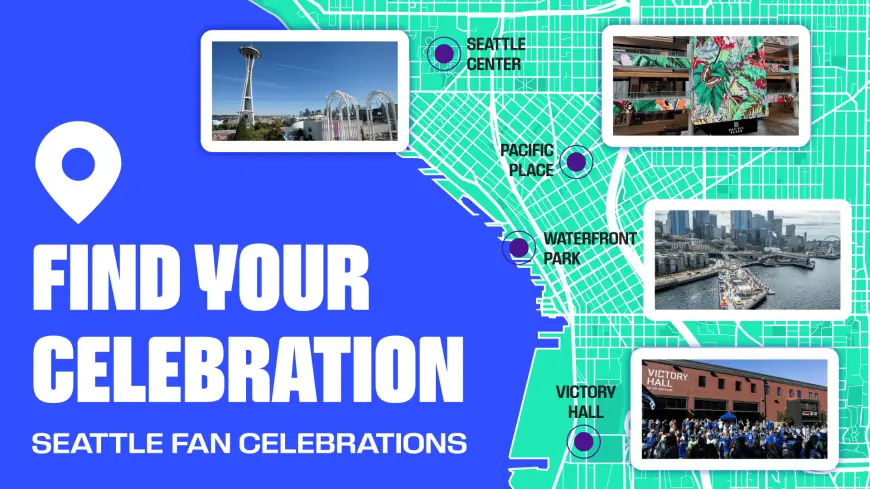
Seattle’s plan puts community access at the center. The four announced fan sites — an indoor hub at the Armory on the Seattle Center campus, an indoor “Seattle Soccer House” at Pacific Place, an outdoor activation at Waterfront Park (Pier 62) and an indoor venue at Victory Hall in SODO — are all free to the public. That distribution concentrates activity along the Unity Loop, a walking trail linking SoDo, downtown and the waterfront, and signals an emphasis on spread-out gatherings rather than one giant fenced fan zone.
Local residents and casual fans are the primary audience for this approach: free, mixed indoor/outdoor viewing options lower the barrier to joining match-day events. Small infrastructure improvements — new mini-pitches, trails, murals and park upgrades — are described as long-term community assets rather than temporary, single-use builds. If you’re wondering why this keeps coming up, it’s because organizers are framing the effort as permanent urban improvements instead of one-off spectacle.
How Seattle organized the distributed fan celebrations and what’s scheduled
Starting June 11, the city will open the four fan celebration venues along the Unity Loop. Programming includes large-format indoor screens, festival-style activations, cultural programming, DJs and family-friendly amenities at the Seattle Center Armory; a high-resolution four-story interior LED screen and interactive activations at Pacific Place’s Seattle Soccer House; outdoor fan experiences and activations at Waterfront Park (Pier 62); and an indoor gathering space at Victory Hall in SODO. These fan spaces are intended to run through Seattle’s final match day on July 6.
- Seattle Center — Armory (indoor) and campus activations
- Pacific Place — Seattle Soccer House (indoor, interior LED screen)
- Waterfront Park — Pier 62 (outdoor fan experiences)
- Victory Hall — SODO (indoor)
Smaller events are planned across other city districts, and nearby communities are preparing their own fan hubs. Spokane is listed as a designated fan zone with Riverfront Park plus one other location, and Renton is finishing an outdoor Legacy Square with a RAVE Foundation mini-pitch and a stage with a screen.
Micro timeline for planning and activation:
- 100-day planning milestone referenced as cities finalize details.
- June 11 — distributed fan celebration venues in Seattle begin operations.
- July 6 — last Seattle match day; fan spaces expected to operate through this date.
Here’s the part that matters for nearby towns: several other Washington cities (Bellingham, Bremerton, Everett, Olympia/Lacey, Tacoma, Tri-Cities, Vancouver and Yakima) are clarifying their plans, which could shape regional travel and local turnout patterns during match windows.
What’s easy to miss is that organizers framed spending around modest, permanent upgrades — mini-pitches, trails and park work — rather than massive single-use construction. The Lumen Field improvements are tied to a state budget item and are deliberately positioned as a focal point for global attention while other investments aim for long-term community use.
Practical signals to watch as planning continues: confirmation of programming schedules at each fan zone, details about crowd management along the Unity Loop, and how smaller district activations map to neighborhood capacity. The real question now is whether distributed, free access will reduce pressure on transit and central sites or simply spread demand more evenly across city blocks.
A short editorial aside: The bigger signal here is the choice to treat fan infrastructure as urban improvement rather than temporary spectacle — that framing is likely to influence resident sentiment long after the matches end.