





















Cuba's oil blockade is pushing the health system toward a human-safety emergency

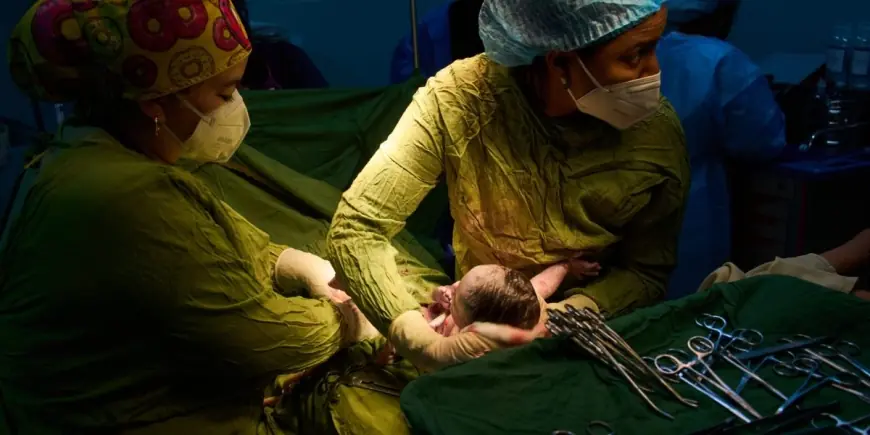
Who feels the impact first: patients on long-term treatments, ambulance crews racing without fuel and hospital wards that can no longer count on reliable power. In an interview, Cuba’s Health Minister José Ángel Portal Miranda warned that U. S. sanctions tied to an oil blockade have moved beyond economic pain and now threaten basic human safety, with millions of people already seeing medications and services disrupted.
Cuba's immediate victims: patients, ambulances and deteriorating hospitals
Ambulances are struggling to find fuel to respond to emergencies, while persistent outages have hit hospitals that were already deteriorated. Flights that once brought vital supplies have been suspended because the government says it cannot refuel airplanes at its airports. Experts and some foreign leaders have warned the island could be on the verge of a humanitarian crisis.
Portal outlined the human scale: roughly 5 million people living with chronic illnesses face disruptions to medications or treatments. Among them are 16, 000 cancer patients who require radiotherapy and another 12, 400 undergoing chemotherapy. Areas named as most impacted include cardiovascular care, orthopedics, oncology and care for critically ill patients who need electrical backup; kidney disease treatments and emergency ambulance services were also listed.
What's easy to miss is how quickly routine emergency response becomes lifesaving infrastructure when fuel and electricity vanish: it turns clinics and ambulances into intermittent assets instead of guarantees.
Policy moves and fuel sources that hardened the squeeze
The energy crisis that Cuba has been grappling with for years entered new extremes last month when U. S. President Donald Trump signed an executive order that would impose a tariff on any country that sells or provides oil to Cuba. That step followed a separate move described in the coverage as coming just weeks after Trump deposed Venezuelan President Nicolás Maduro and announced no more Venezuelan oil would go to Cuba; that latter claim is developing in the available context. The minister framed these measures as part of a broader push: Trump has openly said his aim is to intensify economic pressure to push regime change in Cuba, adding pressure to an island already coping with decades of U. S. sanctions.
Cuba produces only 40% of its own fuel and has long relied on shipments from allies such as Venezuela, Mexico and Russia to make up the gap—but those shipments have now dried up.
Daily life under the squeeze and strain on universal care
The ripple effects extend into everyday essentials. Buses have slashed routes, gas is being rationed and sold only in foreign currency, and endemic blackouts have reached a new extreme. A 25-year-old pregnant woman, Aniliet Rodríguez, who was admitted in January to a maternal care center for extreme anemia, said there is no bread, no milk for nutrition and no medicines—symptoms of a drastic change she tied to the recent shortages.
cuba’s health care system, which follows a universal and free model with local clinics on nearly every block and state-subsidized medicine, has nevertheless been in crisis for years. The COVID-19 pandemic accelerated deterioration: thousands of doctors have emigrated because state wages are too low to cover basic needs, hospitals have fallen into disrepair, and medicine shortages have driven many people to buy drugs on the black market.
Signals, short-term risks and what would confirm an escalation
Here’s the part that matters: experts’ warnings that a humanitarian crisis could be imminent are not abstract—both supply lines and everyday services are already breaking. Such problems are expected to worsen in the coming weeks, per the available coverage. The real question now is whether alternative suppliers or policy shifts will arrive in time to prevent further deterioration of critical care.
- 5 million people with chronic illnesses face disrupted medications/treatments.
- 16, 000 cancer patients need radiotherapy; 12, 400 are undergoing chemotherapy.
- Most impacted clinical areas include cardiovascular care, orthopedics and oncology; electrically dependent critical care is at risk.
- Ambulance fuel shortages, suspended supply flights and widespread outages are already affecting emergency response.
- Buses and public transport routes have been cut; fuel rationing and foreign-currency sales are in place.
Micro-timeline: since January patients and pregnant women report a drastic change in availability; last month an executive order imposed tariffs tied to oil suppliers; those steps followed a move described as occurring just weeks after the change in Venezuela's leadership, which coverage links to the drying up of Venezuelan shipments. Each point compounds the island’s energy shortfall.
It is important to note uncertainty where it exists: the claim about the sequence involving Venezuelan leadership change and its timing is described in the coverage but remains developing in the available context. The situation appears fluid and may evolve as fuel lines and policy decisions shift.
Editorial aside: The bigger signal here is how a fuel squeeze quickly cascades into health-system failure—fuel, electricity and supply chains are the plumbing of modern care, and when that plumbing is cut, universal access becomes theoretical rather than practical.