















Guadalajara Violence Raises Questions About World Cup Hosting as Officials Speak Out

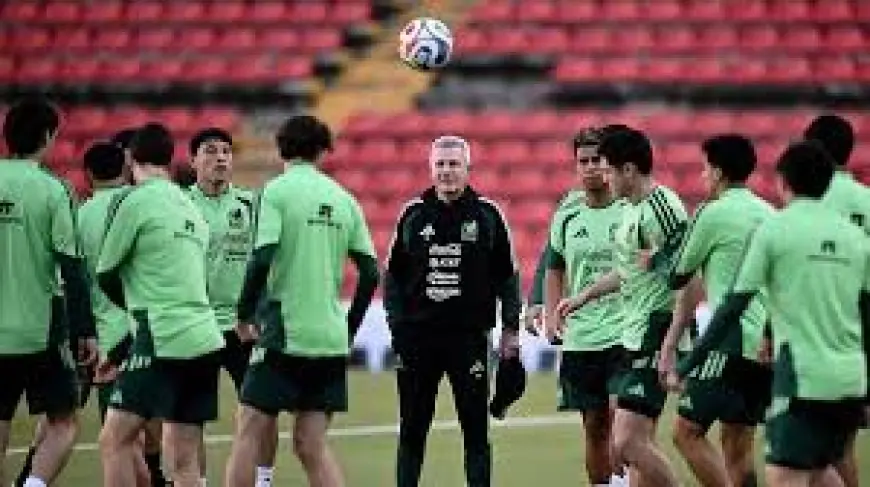
The outbreak of cartel violence in Guadalajara has renewed scrutiny of this summer’s world cup, set to run between 11 June and 19 July, as officials and football administrators balance public-safety warnings with promises that matches will go ahead.
Violence flared after army operation that killed cartel leader
Gun battles, roadblocks and burning vehicles swept through central-western Jalisco after the Mexican army carried out an operation that killed Nemesio Oseguera Cervantes, known as 'El Mencho', the leader of the Jalisco New Generation cartel. At least 25 National Guard officers were killed in the first 24 hours after the operation, and videos posted online showed armed men patrolling streets and smoke over cities as authorities declared a code red security situation in Jalisco.
World Cup matches still on Guadalajara, Mexico City and Monterrey schedules
Guadalajara is scheduled to host four group-stage matches at the Estadio Akron during the World Cup, while Mexico City will host five matches and Monterrey four. Mexico vs. South Korea and Uruguay vs. Spain are among the fixtures Guadalajara is slated to host, and the Estadio Akron is also set to stage a World Cup play-off tournament between New Caledonia and Jamaica between March 26-28.
Fifa, Mexican leaders and German FA chief respond
Fifa president Gianni Infantino said he feels "very reassured" that co-hosts Mexico can still stage "spectacular" World Cup games. A Fifa spokesperson said the governing body was "closely monitoring" the situation and remains in constant communication with authorities, adding it will follow directions from federal, state and local agencies aimed at maintaining public safety.
Mexican President Claudia Sheinbaum said there was "no risk" to World Cup fans and offered "full guarantees" for their safety. At the same time, Andreas Rettig, the managing director of the German Football Association, said he was "to be honest, not right now" looking forward to the tournament, adding that the images from Mexico left "little room for World Cup anticipation. "
Experts have warned that security could be compromised if the unrest becomes a protracted cartel conflict. Javier Eskauriatza, assistant professor of criminal law at the University of Nottingham, said "when you push down on the cartels you do get pushback" and that the power vacuum after El Mencho's death could lead to instability as contenders vie to replace him.
The tournament remains scheduled to run between 11 June and 19 July; Fifa says it will continue to monitor developments and follow government actions aimed at restoring normalcy and maintaining public safety.