

























Neil Gorsuch Tariff Ruling Puts Elena Kagan at Center of a Debate Over Legislative Power

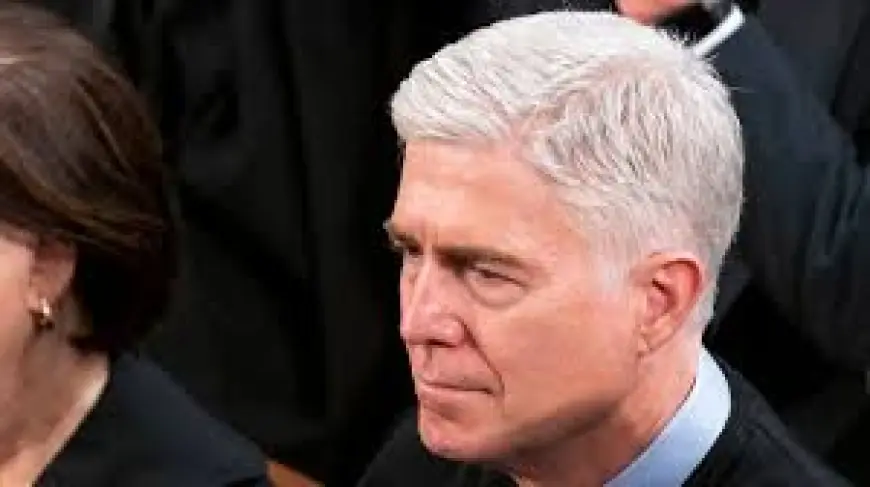
Neil Gorsuch's tariff decision has drawn sharp attention for taking aim at fellow Supreme Court justices and for being cast as a homage to legislative power; one prominent opinion piece goes further, stating that neil gorsuch has elena kagan dead to rights. The trio of recent headlines frames the ruling as both an intra-court challenge and a statement about the judiciary's relationship to Congress.
Elena Kagan and the Internal Dynamics Highlighted by the Tariff Decision
The tariff decision is portrayed in recent coverage as targeting colleagues on the bench, with one opinion specifically naming Elena Kagan as centrally implicated. Those framings suggest the ruling has become a flashpoint for debate about how justices respond to each other in high-profile cases and how individual opinions can be read as direct critiques of fellow members of the Court. neil gorsuch and elena kagan are presented in that coverage as occupying opposing positions in the interpretation at the heart of the case.
Gorsuch’s Homage to Legislative Power and a Reproach of a Neutered Congress
Another strand of the coverage describes the opinion as a homage to legislative power and a subtle reproach of a neutered Congress. That characterization frames the decision less as a narrow statutory reading than as a broader statement about institutional roles: praising legislative authority while faulting congressional weakness. In this reading, the tariff ruling signals a judicial posture that emphasizes deference to lawmaking institutions even as it critiques the current state of legislative influence.
Implications for the Court and What Comes Next
By combining an assertive posture toward fellow justices with a pronounced emphasis on legislative power, the ruling has been framed as affecting both internal Court dynamics and public conversations about separation of powers. The coverage implies tensions between opinion writing as inter-justice argument and opinion writing as institutional commentary. How the justices respond in future opinions, and whether the discourse triggered by this decision reshapes case strategy or collegial interactions, remains to be seen.
These recent headlines together place neil gorsuch's tariff decision at the intersection of personality, jurisprudence, and institutional theory: a move that takes aim within the Court while elevating questions about Congress's role. The framing that one opinion applies the phrase that neil gorsuch has elena kagan dead to rights amplifies the perception of an intensified internal clash, even as the homage-to-legislature reading situates the case in a larger constitutional conversation. Details may evolve as reactions continue, but the current coverage makes clear that the tariff ruling is resonating far beyond the narrow guarantees of the dispute itself.