
























Ed Husic Breaks Down Data Centre Trends

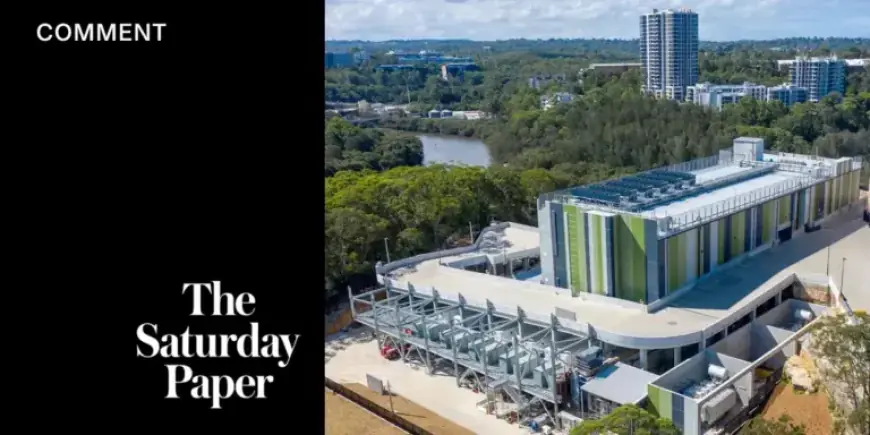
The rapid growth of data centres in Australia, particularly in Western Sydney, has prompted significant concerns among local communities and councils. As the number of these facilities increases, their impact on local environments and resources cannot be overlooked. This article explores the current trends surrounding data centres, including their demands for power and water, and the implications for local communities.
Data Centre Concentration in Western Sydney
Western Sydney is home to approximately 75% of New South Wales’ operational and planned data centre capacity. Notably, the areas around Blacktown and the corridor from Eastern Creek to Marsden Park have become key hotspots for these developments. Local councils, particularly Penrith City Council, are increasingly questioning the sustainability and environmental impact of additional data centres.
Environmental Concerns
As data centre operators seek cooler climates to manage heat emissions, Western Sydney has emerged as a target due to available space. However, this has raised alarms over cumulative environmental effects, noise pollution, and increased heat generation. The Western Sydney Regional Organisation of Councils (WSROC) has expressed worries about these poorly understood impacts, especially in regions vulnerable to heat.
Water and Energy Demands
The cooling requirements for data centres in Sydney are projected to reach 250 megalitres per day by 2035. This figure is concerning, as it could represent a quarter of the city’s total drinking water supply. Furthermore, these facilities are significant energy consumers, with a typical centre using as much power as 10,000 homes.
- Data centre cooling demand: 250 megalitres/day by 2035
- Power equivalent to 10,000 houses for typical centres
- Potential emissions achievements: 102.6 million tonnes of CO2/year from high-emitting systems
The Regulatory Gap
Currently, there is no federal regulatory framework to manage the demands posed by data centres. This absence creates challenges for local governments attempting to balance development with environmental preservation. As the debate intensifies in Australia, comparisons are drawn to the growing opposition in the United States regarding data centre expansions.
Economic Implications
Data centre construction presents an array of economic arguments. Proponents claim it can create numerous jobs, with construction operations potentially employing up to 1,500 workers per project. However, critics highlight that much of the investment benefits foreign companies, arguing that up to 80% of expenditures related to hyperscale data centres may leave the country.
Challenges to Sovereignty
Australia’s desire to host data centres raises questions about true data sovereignty. While onshore infrastructure is beneficial for national resilience, the reality is that a few multinational corporations dominate global cloud services. This concentration of power can hinder Australia’s control over its own data.
Future Directions
The Australian government is urging data centre operators to take responsibility for their energy and water demands. Enforcement of clearer regulations and standards is essential to ensure that the benefits of these developments align with local community interests. Moving forward, it is crucial to establish accountability measures to safeguard both environmental and social welfare.
Conclusion
As Australia grapples with the data centre boom, a balanced approach is necessary. A commitment to both development and regulation will help ensure that communities are positively impacted. It is vital for current and future policies to adequately address the challenges posed by this rapidly growing sector.