






















Pontiac’s Super Bowl Ad Introduced, Then Quickly Scrapped, a Controversial Feature

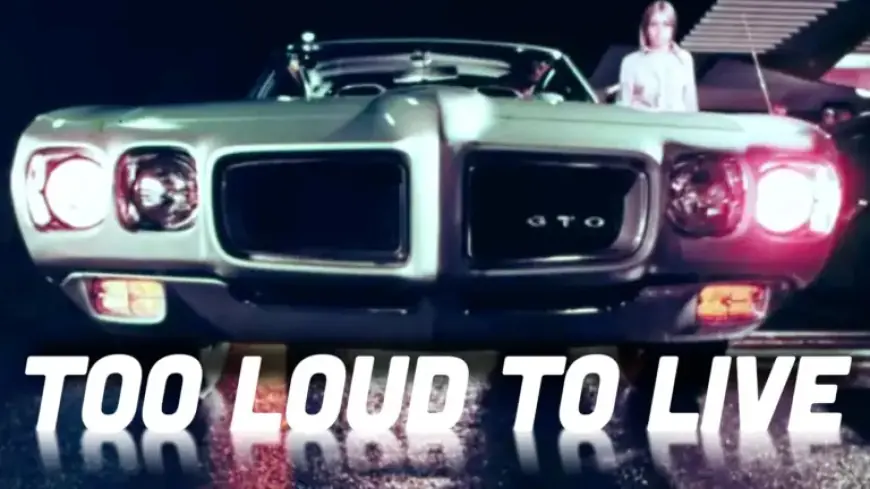
Super Bowl commercials are known for their creative flair and potential to captivate a massive audience. In 1970, Pontiac took a notable yet controversial approach during Super Bowl IV by introducing an ad for the GTO that quickly became infamous.
Pontiac’s Unique Super Bowl IV Ad
Pontiac showcased the GTO, focusing on a specific feature: the Vacuum Operated Exhaust (VOE) system. This option, also referred to as “The Humbler,” was represented in their ads and was extremely limited in production, with only 233 units sold.
Details of the VOE Feature
- Feature Name: Vacuum Operated Exhaust (VOE)
- Commonly Known As: The Humbler
- Produced GTOs with VOE: 233 vehicles
In the ad, a blonde driver rolls up to a drive-in burger joint in Livonia, Michigan. The commercial intended to highlight the GTO’s aggressive exhaust sound and appeal to onlookers. However, it revealed a different narrative, evoking mixed reactions among the crowd. Some appeared intimidated while others seemed intrigued.
Controversy and Discontinuation
The GTO’s VOE allowed for increased engine noise, which some found appealing. However, Pontiac executives soon faced backlash. Concerns arose regarding the potential for illegal street racing being encouraged by the ad’s portrayal.
- GM’s Ban on Racing: The company had a longstanding ban on racing since 1963, aiming to avoid scrutiny.
- Commercial Pulled: The ad was scrapped merely a month after airing.
Reflection on a Bold Move
This unique marketing strategy became a peculiar footnote in automotive advertising history. The decision to withdraw the ad raises questions about the internal communication and awareness within GM at the time.
Ultimately, Pontiac’s short-lived attempt to embrace bold marketing for the GTO remains a striking example of how advertising can intersect with corporate caution. The VOE system, although ahead of its time, found little acceptance in the market due to regulatory fears.
For those interested in muscle car history, this moment serves as a reminder of the delicate balance between innovation and corporate responsibility.