






















Travel Ban Ri lifted at noon — residents, businesses and crews face extended cleanup after historic blizzard

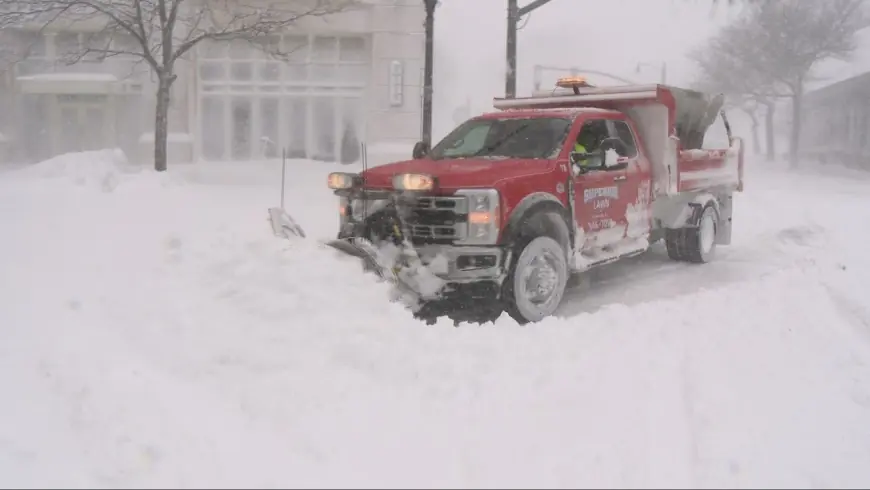
The Travel Ban Ri lift at noon Tuesday shifts the immediate risk from emergency driving restrictions to a longer, messy recovery that first hits motorists, small businesses and crews clearing deep snow. Gov. Dan McKee urged people to stay off the roads unless absolutely necessary as plowing and clearing continue; the decision balances safety with an urgent push to reopen businesses and keep the local economy moving.
Travel Ban Ri: who feels the impact first and why reopening is cautious
Here’s the part that matters: lifting the travel ban removes a legal restriction but does not erase the cleanup task. McKee led a briefing on cleanup efforts and asked residents to avoid driving while plows and equipment work. The state’s approach aims to let commerce restart without putting people in harm’s way during active snow removal.
How the decision unfolded and the governor’s reasoning
McKee officially lifted the travel ban at noon Tuesday after saying Monday night that he would not lift it until it was safe. He framed the decision primarily on safety while also weighing the need to reopen businesses so the economy can continue functioning. In his remarks, the governor emphasized recovery will take time but pledged persistence until the job is done.
On-the-ground response: National Guard, state police and mutual aid
The governor activated the National Guard to assist with cleanup; Maj. Gen. Andrew Chevalier, adjutant general, said Guard personnel have gone out to warming centers and checked throughout different communities on disabled vehicles to ensure there were no people inside. State Police responded to 269 disabled or stuck vehicles and 20 crashes during the blizzard, issued more than 40 tickets to people violating the travel ban, and E-911 handled 5, 469 calls during the storm. The state has requested mutual aid from other states for equipment such as payloaders, heavy-duty plows and backhoes to help clear snow.
Power restoration: scale, timeline and challenges
Rhode Island Energy deployed more than 400 crews and 1, 400 personnel to assess damage, clear debris and restore power. Greg Cornett described restoration work as "painstaking and challenging" because of deep snow, ice and cold. The utility indicated it could take up to 72 hours or longer to restore power in some areas, expected to bring the number of outages below 10, 000 by the end of Tuesday, and projected that more than 95% of customers should have power restored by Thursday. The utility reported about 8, 900 homes and businesses without power as of 2: 45 p. m. Tuesday; estimated restoration times will be updated on the outage map maintained by the utility.
Practical next steps, resources and a short timeline
- Residents should stay off roads unless travel is essential while crews continue plowing and clearing.
- People with shelter or housing needs were directed to the Executive Office of Housing website for assistance.
- Micro timeline embedded from the briefing and status updates:
- Monday night — McKee said he would not lift the ban until it was safe (unclear in the provided context what time).
- Noon Tuesday — McKee lifted the travel ban and led a cleanup briefing.
- 2: 45 p. m. Tuesday — roughly 8, 900 homes and businesses were without power.
- End of Tuesday — utility expected outages to be below 10, 000.
- Thursday — utility expected to have more than 95% of customers restored.
It's easy to overlook, but the numbers from state responders show the scale of risk people faced: thousands of 911 calls, hundreds of disabled vehicles and multiple crashes that justified a cautious approach to reopening roadways.
- Power crews on the ground exceed 400 teams with 1, 400 personnel.
- State Police handled 269 disabled/stuck vehicles and 20 crashes; E-911 processed 5, 469 calls during the storm.
- National Guard is assisting by checking warming centers and disabled vehicles for occupants.
- Mutual aid requests aim to bring payloaders, heavy-duty plows and backhoes into the cleanup effort.
Key takeaways:
- Lifting the ban grants limited freedom of movement but not immediate road safety; plowing is ongoing.
- Motorists and small businesses are the first groups to feel the effects—roads must be cleared before normal commerce returns.
- Power restoration is underway but could take 72 hours or longer in some areas; outage counts and estimated times will be updated by the utility.
- Public safety response included the National Guard, substantial state police activity and thousands of 911 calls, underscoring why officials moved cautiously.
If you’re wondering why this keeps coming up: the lift is a step toward reopening but does not shorten the list of tasks for crews and utilities working in deep snow and cold.