

















Moore, Miller File for Second Term as 9 p.m. Tuesday Deadline Looms

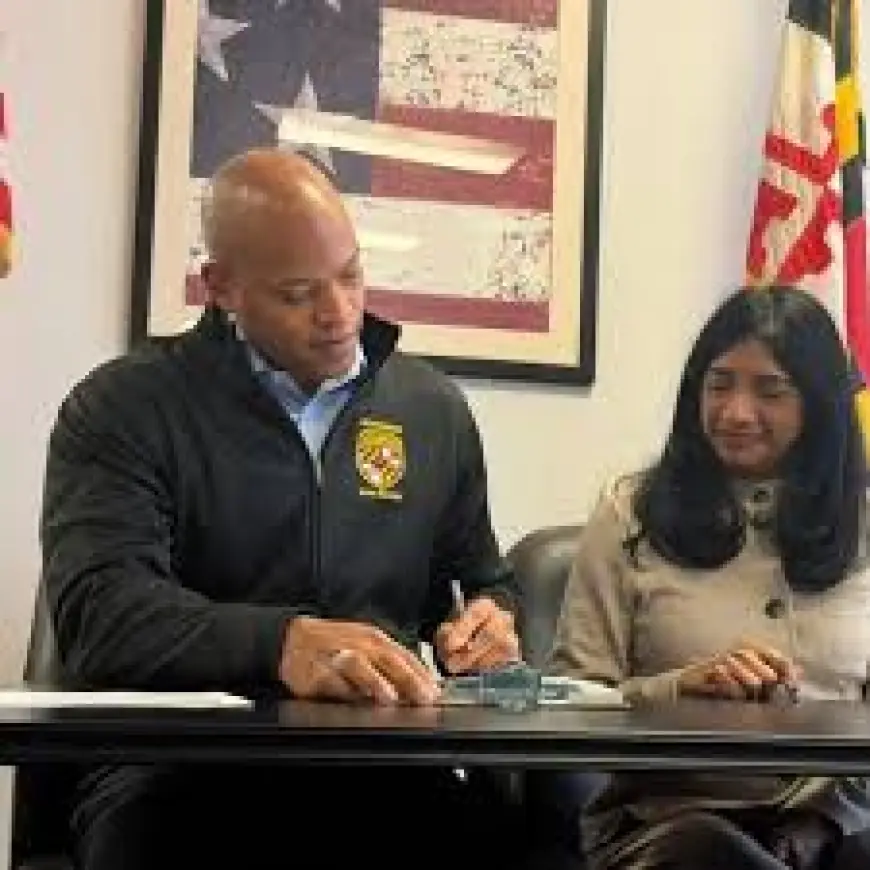
Gov. Wes Moore and Lt. Gov. Aruna miller filed their candidacy paperwork Monday at the Maryland State Board of Elections, one day before the 9 p. m. Tuesday filing deadline. The move, made in the middle of a state of emergency, crystallizes the Moore-Miller ticket’s second-term campaign and immediately refocuses attention on energy costs, audits and who will emerge as the Republican challenger.
Miller and Moore file at Maryland State Board of Elections
The pair traveled to the SBE headquarters in Annapolis on Monday afternoon to complete the formal filing. Moore told a small group of reporters inside the elections headquarters that they had announced their intention to run some time ago and that they are energized by results from the first three years of the administration. The filing came one day before the deadline and despite a state of emergency remaining in effect.
Policy priorities raised by Moore’s pitch
Moore has highlighted ending childhood poverty, boosting educational outcomes and growing the economy as central goals for his time in office. He has been described as a political outsider turned national media figure and has been floated as a potential presidential candidate; Moore has rejected the notion several times that he will run for president in 2028. At the same time, the administration faces questions prompted by poor audits and money-management concerns within some agencies, which critics say have left some residents skeptical of the administration’s reach and results.
Energy bills and voter frustration emerge as campaign issues
Rising utility costs are already shaping the political conversation. One resident said their electric bill is close to $1, 800 a month and described that as a sharp jump without changes in equipment or usage. A farmer told FOX45’s Spotlight on Maryland that they felt overlooked by the administration. Political analyst John Dedie framed energy costs and the broader cost of living as likely driving factors in the race and noted there are constituencies who feel they have been left behind, including retired state employees who lost prescription drug coverage under a decision not to fund that program. The cause—rising bills and contested agency audits—has the effect of focusing voter attention on explanations and remedies that candidates must offer quickly.
Republican field: Dan Cox, Ed Hale Sr., Kurt Wedekind, John Myrick and others
Several Republicans have announced or filed campaigns. Former lawmaker and GOP gubernatorial candidate Dan Cox is running again; former businessman and Baltimore Blast owner Ed Hale has filed; other Republican entries include Kurt Wedekind, John Myrick, Carl A. Brunner Jr., L. D. Burkindine, Douglas Larcomb, Michael Oakes, Nancy Jane Taylor and Ray Bly. The state’s partisan field also includes those running under other banners: Andy Ellis is seeking the Green Party nomination.
Filing deadline, who’s in and who’s out
The deadline for candidacy paperwork is 9 p. m. on Tuesday. As the filing window closed in, the roster of major contenders grew: Wes Moore is in; Dan Cox and Ed Hale Sr. are in; Larry Hogan is out. The published lists of candidates for major offices include Democrats Eric S. Felber and Ralph Jaffe (died Feb. 6. ), and incumbents such as Johnny Olszewski Jr. and Andy Harris on the Republican side for their respective races. Other named contenders appearing on the ballot filings include Victor Allen Guidice, Dan Schwartz, George Walish, Randi White, Chris Bruneau, Jennifer Cross, Austin Dyches, Sarah Elfreth, Sean Hammond, Robert Gerald Morrison, Ray Bly, Berney Flowers, John White, Joseph Gomes, Shavonne N. Hedgepeth, Glenn Ivey, Jakeya Johnson, Jonathan D. White, Mark Arness, Rushern L. Baker III, Quincy Bareebe, Wala Blegay, Adrian Boafo, Reuben B. Collins II, Ellis D. Colvin, Harry Dunn, Arthur Ellis, Elldwnia English, Terry Antonio Jackson II, Harry Jarin, Walter Kirkland, Jerry Lightfoot, Heather Luper, James Anderson Makle Jr., Leigha Messick, Keith Salkowski, Alexis Solis, Tracy Starr, Dave Sundberg, Harold Tolbert, Nicole A. Williams, Chris Chaffee, Bryan DuVal Cubero, Michelle Talkington, George Gluck, Alexis Goldstein, Daniel M. Krakower, April McClain Delaney, David J. Trone, Ethan P. Wechtaluk, Kiambo “Bo” White, A. Mark Wilks, Chris Burnett, Robin Ficker and Mariela Roca.
Analysis: timing, nominee dynamics and next steps
John Dedie warned that the trajectory of the campaign will hinge on how candidates address utility bills and explain fiscal issues. He stressed that the identity of the Republican nominee will shape the general-election dynamic—saying a nominee like Ed Hale would require a different effort from Moore than a nominee like Dan Cox, who could provoke national travel and appearances. What makes this notable is how quickly these administrative questions—audits, agency money management and a spike in consumer energy bills—moved from policy notes into central campaign themes as the ticket formalized its bid.
Senate Minority Leader Steve Hershey also figures in the shifting landscape: he launched an exploratory committee while considering a gubernatorial bid, ultimately ending that effort and filing to run for the Senate again. As filings finalize at 9 p. m. Tuesday, the Moore-Miller ticket’s formal entry narrows the field around incumbents’ records and the array of challengers who will press those questions on the trail.