













Laura Ann Tull’s Posthumous Allegations Against Eric Dane Leave Major Questions Unanswered

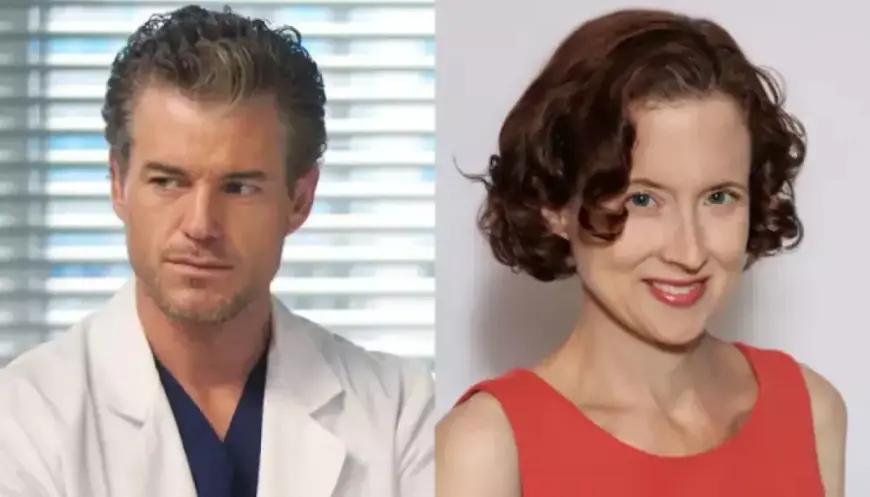
Why this matters now: laura ann tull’s public posts arrived in the immediate wake of Eric Dane’s death, turning a moment of mourning into a dispute with unresolved claims. That timing raises practical and ethical uncertainties about accountability, evidence and who can respond. The accusations—about on-set bullying, health-related mistreatment and a role in his exit from the series—are unverified and clash with earlier explanations for his departure.
Laura Ann Tull’s accusations and the gap in verification
Laura Ann Tull, who worked as a background actress on the medical drama, has posted multiple messages after Eric Dane’s death alleging long‑running mistreatment. She has described him as a bully and a narcissist, and said he mocked and belittled her behind her back. Tull has stated that his conduct caused long‑term professional and personal harm and that his death does not erase the pain she says he caused.
She has further claimed that she contacted the show’s creator’s office and that she called an assistant two weeks before an announcement that coincided with his departure, asserting she was responsible for what she describes as his firing. Those specific claims have not been confirmed; the network, the production company, Eric Dane’s representatives and members of his family have not issued public statements on the matter.
What Tull says about on‑set behavior and her health history
Tull’s posts recount experiences from 2005 to 2008 on the show’s set. She has said Dane mocked her while she was dealing with serious health issues—at one point noting she had beaten cancer and later was getting sick with an autoimmune disease. She has characterized episodes of abuse and ridicule during those times, and has said his actions included personal intrusions into her life. Tull has framed her decision to go public soon after Dane’s death by saying his passing does not erase the harm she alleges.
What’s easy to miss is that Tull’s public statements repeat themes she raised years earlier in a 2018 essay on a personal publishing platform, where she reflected on working as an extra for three years, said she never spoke with Dane directly but heard him talk about her, and identified herself as a member of SAG‑AFTRA seeking accountability for bullying she described.
Contrasting accounts about Dane’s exit and later comments
Dane played Dr. Mark Sloan—often referred to by fans with a memorable nickname—on the series from 2006 to 2012. His departure was first described at the time as a decision reached by the show’s creative leadership and the actor together; a public statement from the creator said it was not a choice made lightly. Years later, Dane said in a 2024 podcast appearance that he believed he had been let go and suggested business factors may have played a role. Tull’s claim that her outreach prompted his exit directly challenges those earlier accounts.
Immediate public reaction and the ethical split
On the 24th local time, just days after Dane’s death at age 53 following a year‑long battle with ALS, Tull’s remarks prompted a sharp divide online. Some people argue background actors occupy a lower rung of set power dynamics and that their experiences deserve airing even after a subject dies. Others argue that raising unverified personal allegations when the accused cannot respond is ethically fraught and risks tarnishing a deceased performer’s legacy—especially given commentary that Dane engaged in public efforts tied to social awareness while ill.
- Tull recounts experiences on set from 2005–2008 and says she was mocked while battling cancer and later an autoimmune condition.
- She asserts she contacted the creator’s office and an assistant two weeks before a departure announcement and claims a role in his firing.
- Eric Dane’s death occurred on February 19, 2026 (ET) after a year‑long struggle with ALS; he was 53.
- At the time of his 2012 exit, leadership said the decision was made after consideration; Dane later said in 2024 he felt let go and that business reasons may have influenced that outcome.
Here’s the part that matters: specific supporting evidence for Tull’s claim that her report led to Dane’s dismissal has not been confirmed, and some observers have suggested her assertions could be exaggerated. The real question now is how, if at all, the unanswered details will be clarified given the limited set of potential respondents.
Forward signals and what could change the picture
Possible next developments that would alter the story’s clarity include an official comment from the creative leadership, a statement from Dane’s representatives or family, or corroboration from others who worked on set during the cited years. Absent those, the dispute is likely to remain a matter of competing public claims and private memories.
Key takeaways:
• The allegations are serious and detailed, but unverified at present.
• Tull has repeated themes she raised in a 2018 personal essay and identifies as SAG‑AFTRA.
• Dane’s 2006–2012 role and his 2012 departure have multiple, conflicting explanations in public statements.
• No official response has been released by the network, the production company, Dane’s representatives or his family; events remain fluid.
The real test will be whether corroborating accounts or official responses emerge that either substantiate or refute the specific timeline Tull outlines. Until then, the record contains overlapping claims that cannot be fully reconciled with the information currently available.