










Robert Carradine: Family Cites Bipolar Struggle After Actor’s Death at 71 — A Career and Life Rewind

Why this matters now: robert carradine’s death puts a spotlight on how prolonged mental illness can end the life of a well-known performer while prompting his family to speak about stigma. The family described a nearly two‑decade battle with bipolar disorder and have asked for privacy as they grieve a beloved father, grandfather, uncle and brother who left a long catalogue of film and television work behind.
Contextual rewind: how a family announcement reframed the story
Before listing credits, this is the frame the family set: they released a statement noting his roles in film and TV but focused on his private struggle and their intent to use the moment to push back on stigma around mental illness. They called him a beacon of light in a dark world and said his illness ultimately got the better of him. His older brother, Keith Carradine, emphasized the family’s wish that people know he lived with bipolar disorder and that there should be no shame attached to that reality.
What the family disclosed about his death and survivors
Robert Carradine died at age 71, and the family said he took his own life on Monday. They described him as a beloved father, grandfather, uncle and brother and said he is survived by his children, grandchildren, brothers, nieces and nephews and anyone who had the honor of having him in their life. The family asked for privacy while grieving and said they hoped his nearly two‑decade struggle with bipolar disorder could help encourage conversations about stigma around mental illness.
Career highlights embedded in the context of his life
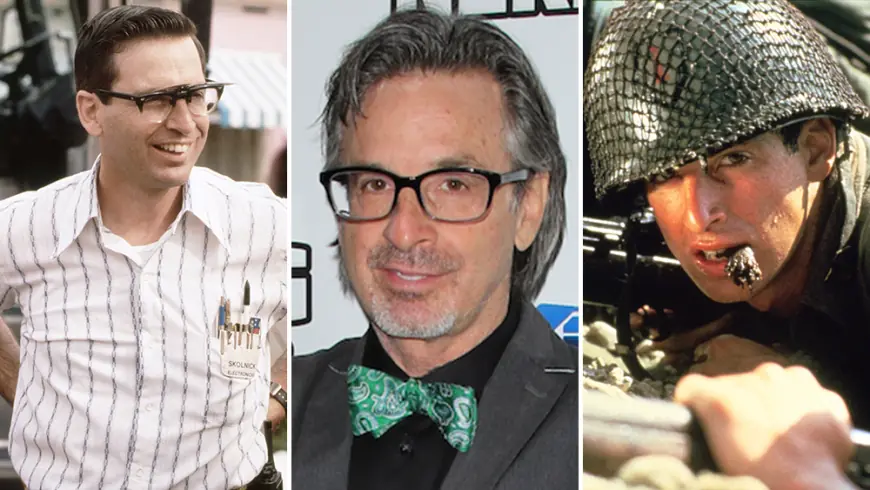
His acting path, as laid out by the family and accounts: he was born on March 24, 1954, the youngest son of actor John Carradine and a brother to David Carradine, Keith Carradine and Christopher Carradine. He made his screen debut in 1972 in The Cowboys alongside John Wayne, a part his brother David encouraged him to audition for. Early roles included Martin Scorsese’s Mean Streets and Coming Home with Jane Fonda and Jon Voight; in Mean Streets he filmed a scene in which he shot his brother David.
In 1980 he had two films at Cannes: Samuel Fuller’s semi‑autobiographical The Big Red One (with Mark Hamill and Lee Marvin) and Walter Hill’s The Long Riders. For The Long Riders, Hill cast real brothers as outlaw brothers — Robert, Keith and David as the Younger brothers — with James and Stacy Keach, Randy and Dennis Quaid, and Christopher and Nicholas Guest filling other family pairings. During that production David fell in love with and bought the horse Z‑Tan, which later lived on Robert’s Hollywood Hills property; in the 1980s his daughter Ever Carradine was sometimes seen riding that horse between their home and Runyon Canyon.
His biggest commercial hit was Revenge of the Nerds, where he played Lewis Skolnick opposite Anthony Edwards; he returned for three sequels released in 1987, 1992 and 1994 and even spent time undercover at the University of Arizona to study student life for the role. Later credits included a role in Django Unchained. To a new generation he became familiar as Sam McGuire, Lizzie’s father, appearing in 65 episodes of the series between 2001 and 2004.
Tributes and personal notes cited in the accounts
His Lizzie McGuire co‑star Hilary Duff led public tributes and expressed deep sadness on learning he had been suffering, saying she felt grateful for the warmth of their on‑set family and that the news hurt. Another published account used the alternate spelling "Hillary Duff" while sharing similar sentiments: that there was warmth on set and that she felt cared for by her on‑screen parents. The family statement described Bobby as funny, wise, accepting and tolerant, and Keith highlighted that the family wanted people to know of his struggle and to celebrate his life and struggle without shame.
Mini timeline
- Born March 24, 1954.
- 1972: feature debut in The Cowboys alongside John Wayne.
- 1973–1978: roles in Mean Streets and Coming Home.
- 1980: The Big Red One and The Long Riders screened at Cannes; Long Riders casting used real brothers.
- 1984 and later: lead in Revenge of the Nerds (plus sequels in 1987, 1992, 1994); Lizzie McGuire father in 65 episodes (2001–2004); Django Unchained credit in 2012.
What’s easy to miss is how often personal and professional threads crossed in his life — family acting alongside family, a movie horse becoming a backyard fixture, and a daughter who also pursued acting.
Aftermath the family wants and the immediate signals
Here's the part that matters: the family framed the announcement to reduce stigma around bipolar disorder and to ask for privacy. They described his nearly two‑decade battle with bipolar disorder and said they hope his journey can encourage addressing stigma attached to mental illness. The family asked for privacy while they grieve and expressed gratitude for compassion and understanding as they process their loss.
Some details in the record are incomplete or unclear in the provided context: the full name of the person listed as Sus (the mother of his daughter Ever Carradine) is not given in the material provided here. Also noted in the accounts: his older half‑brother David died in 2009 at age 72 in Thailand, and Robert later linked the onset of his mental‑health crisis to that loss and an eventual bipolar diagnosis.
The real test will be whether the family’s call to reduce stigma produces wider public conversation about bipolar disorder tied to long‑running careers in the public eye—something they explicitly asked for as part of their statement.