





















What’s Happening in Mexico: Troop Surge After Cartel Leader’s Death, Disruptions Spread Across Key States

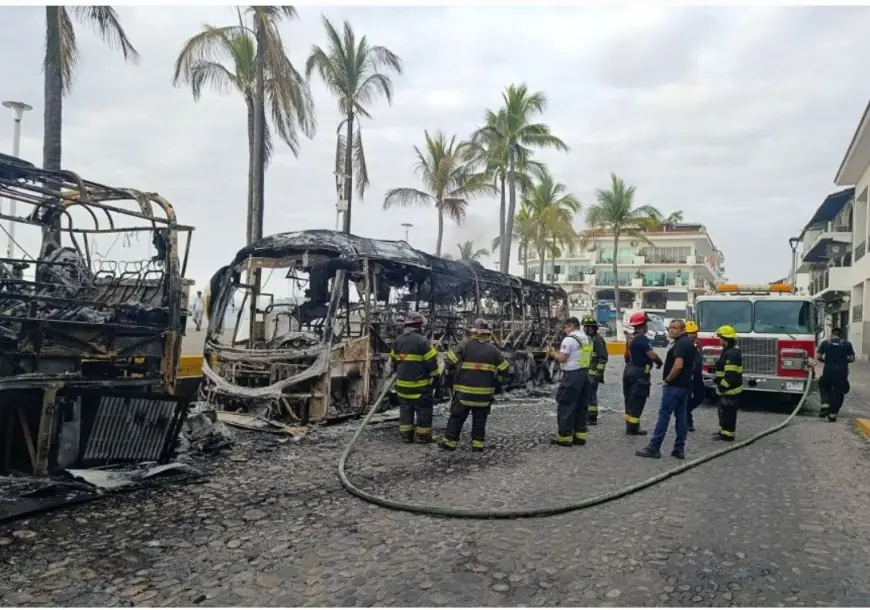
Mexico is facing a fast-moving security shock after the death of a top cartel leader during a high-risk operation in Jalisco on Sunday, February 22, 2026 (ET). In the hours that followed, coordinated retaliatory violence erupted across multiple states, including road blockades, vehicle arson, armed attacks, and disruptions to transportation and business operations. Federal authorities have since surged troops into hotspots as the government works to reassert control and prevent further escalation.
Troops Deployed as Violence Concentrates in Jalisco and Neighboring States
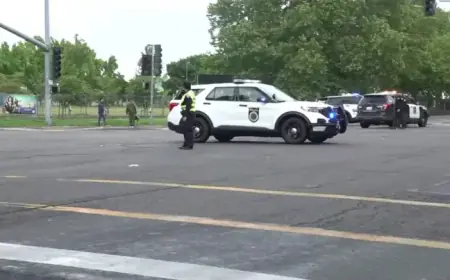
The most immediate response has been a major security deployment into Jalisco, where federal forces reinforced patrols and checkpoints and expanded operations to stabilize the region. The violence has not been limited to one city—incidents have been reported across corridors linking major towns and highways, creating unpredictable travel conditions.
Officials are treating the situation as an organized attempt to demonstrate strength and disrupt daily life following the leader’s death. The pattern resembles past cartel retaliation campaigns: rapid, coordinated actions aimed at overwhelming local capacity and generating fear.
Road Blockades, Arson, and Transit Disruptions Hit Daily Life
The retaliation has created practical impacts that many travelers and residents are feeling immediately:
-
Road blockades on key routes, sometimes involving burning vehicles
-
Delays in public transit in affected metro areas
-
Temporary closures of some schools and local services
-
Supply chain interruptions from unsafe trucking routes and stoppages
Even where conditions improve during daylight hours, authorities are warning that disruptions can reappear quickly as groups reposition.
Businesses Pause Operations in Affected Areas
Some major employers in and around Guadalajara and other impacted regions have temporarily adjusted operations, including sending employees home or pausing shifts, as safety concerns and mobility disruptions ripple outward. The issue isn’t only direct violence near facilities—it’s also the ability of workers to commute safely and of suppliers to move goods without encountering blocked roads.
For travelers and business operators, the situation is changing by the hour, with localized flare-ups rather than one continuous “shutdown.”
World Cup Security Questions Rise, Government Offers Reassurances
With Mexico preparing to host major international events this year, the surge of violence has intensified scrutiny of security planning—especially in and around major host cities. Federal leaders have offered strong assurances that visitors will be protected and that the violence is being contained, emphasizing that the incidents are concentrated and not aimed at tourists.
Still, the scale and coordination of the retaliation has raised questions about near-term stability in certain corridors and whether additional visible security measures will expand around airports, transit hubs, and high-traffic city centers.
What Travelers Should Know Right Now
If you’re traveling to or within Mexico in the near term, the biggest risk is localized volatility rather than nationwide closure. Conditions can differ sharply between neighboring areas.
| Area / Issue | What’s happening | What to do |
|---|---|---|
| Jalisco corridors | Elevated risk of sudden blockades and incidents | Avoid unnecessary road travel; use vetted routes |
| Major airports | Operations continue, but ground access may be impacted | Build extra time for transfers and road delays |
| Intercity highways | Some routes face intermittent disruptions | Check official advisories before driving |
| City centers | Generally calmer than highway corridors, but watch for alerts | Stay informed; avoid large disturbances |
Smaller Developments: Earthquake Activity Also Monitored
Separately from the security situation, Mexico continues to see routine seismic activity typical for the region. Recent quakes reported have generally been moderate and not the main driver of national disruption this week, but authorities continue monitoring and issuing local advisories when needed.
Bottom Line
The dominant story in Mexico right now is the security escalation following the cartel leader’s death, the federal troop surge, and the knock-on disruptions to travel and commerce—especially in western states. Most of the country is still functioning normally, but the risk of sudden, localized flare-ups remains elevated in specific corridors, making situational awareness and flexible travel planning essential over the next few days.