












Mexico unrest after El Mencho death reshapes security and raises stakes for summer World Cup co-hosting

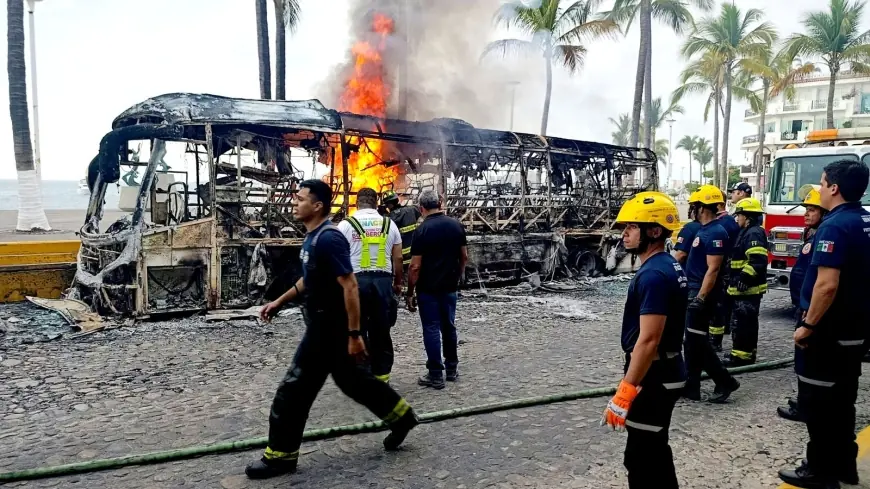
Why this matters now: the killing of a top cartel leader has already altered the security landscape across mexico, forcing a large military response, destabilising multiple regions and creating immediate logistical headaches for travel and major sporting events this summer. The short-term choices authorities make now will determine whether the disruption becomes a contained security operation or a prolonged period of national instability.
Immediate consequences for security posture across Mexico
National authorities have sent thousands of additional troops to restore order: an extra 2, 500 soldiers were dispatched on Monday, bringing the total deployed force to about 9, 500 since Sunday. A code-red security situation began in Jalisco and unrest has spread widely, with at least 20 states seeing disturbances and reports indicating the unrest touched at least a dozen other regions as well. The federal response is being framed as a priority to guarantee peace and security nationwide.
What happened (compressed timeline and key operational details)
- Capture and death: Security forces captured Nemesio Ruben Oseguera Cervantes, known as El Mencho, after tracking down a romantic partner he was meeting; he was seriously injured in a firefight and died while being transported from Tapalpa to Mexico City.
- Violence erupted immediately: cartel members launched coordinated attacks — blocking roads with spikes and nails, commandeering and torching buses and other vehicles, and setting fire to businesses and banks in multiple towns including major violence in Puerto Vallarta and areas around Guadalajara.
- Casualties and injuries: at least 25 members of the National Guard have died in Jalisco alone since the violence began; six of El Mencho's security guards were killed in the capture operation and three members of the military were injured during the operation. Security officials have also cited the deaths of a prison guard, a member of the state prosecutor's office, and around 30 members of El Mencho's organisation in the unrest.
It’s easy to overlook, but the way the capture unfolded — the tracking of a partner and a firefight that left the leader fatally wounded during transport — is central to how quickly and broadly the CJNG's reaction spread.
Disruptions to travel, airports and the World Cup hosting picture
Travel and event planning are already being affected. Flights to some tourist destinations were interrupted and advisories have urged people in affected areas to shelter indoors. Airlines have begun gradual resumptions at several regional airports. Major tournament planning faces fresh uncertainty: Guadalajara is scheduled to host four World Cup matches this summer, Mexico City five, and Monterrey four, and experts warn a security vacuum or prolonged instability could complicate preparations and on-the-ground safety planning.
Wider cartel dynamics and potential longer-term shifts
The Jalisco New Generation Cartel (CJNG) is described in public estimates as one of the country's most powerful criminal organisations, with a valuation in the billions and tens of thousands of members; it has been linked to massacres, kidnappings and political killings since its formation. Observers note that removal of a top leader can create a power vacuum as contenders vie for control — a process that often triggers further conflict. A CJNG member framed the violent backlash as revenge for their leader's death.
- More troops on streets and checkpoints expanding beyond Jalisco.
- Key tourist corridors and airports temporarily disrupted; advisories issued for sheltering in affected resort areas.
- Local economies impacted as dozens of banks and businesses were set alight and infrastructure damaged.
- Event organisers face new security planning demands for stadiums and match zones in Guadalajara, Mexico City and Monterrey.
Here’s the part that matters for planners and the public: the immediate deployment numbers and confirmed deaths show this is not a localized flare-up but a national security shock that will require sustained coordination between military, federal and local authorities. The real question now is whether that coordination will be enough to prevent an extended period of violence and protect major public events and tourist areas.
Signals to watch that will indicate whether the situation stabilises
Short-term indicators to confirm an easing of the crisis will include rapid clearing of roadblocks and burned vehicles, restoration of regular flight schedules to affected airports, a drop in reported attacks on public institutions, and visible local cooperation between armed forces and civil authorities. If those signs do not appear, the risk of further disruption to travel and large public gatherings could increase.
Micro timeline: capture in Tapalpa; death while being transported to Mexico City; spike in nationwide unrest beginning the same weekend and large troop deployments by the following Monday. Recent updates indicate details may evolve as authorities continue operations and investigations.
The real test will be how quickly security operations transition from reactive deployments to stable, locally coordinated protection — especially in cities tied to international events and tourism.