





















Wordle Hint: Why a 'Your browser is not supported' page can block your visit

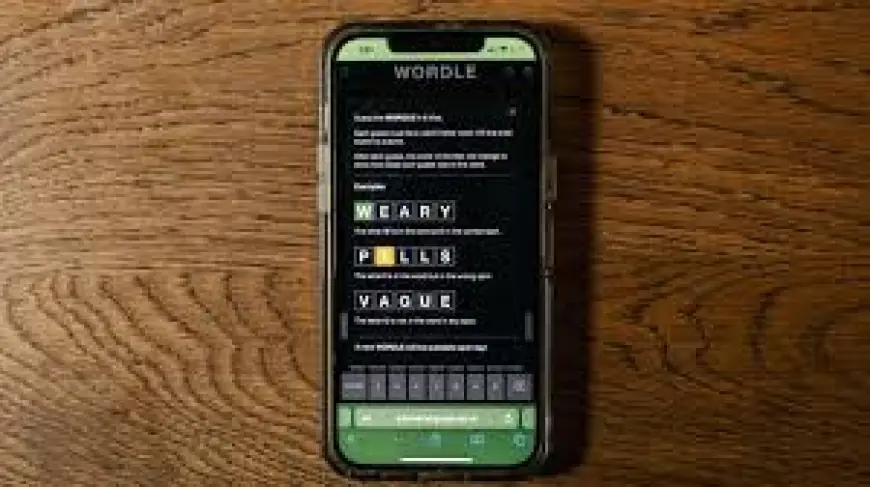
If you were looking for a quick wordle hint and instead ran into a banner that reads "Your browser is not supported, " this matters because the website has shifted to newer web technology that can prevent older browsers from displaying content. The message explains the redesign aims to be faster and easier to use, but it also asks readers to download one of these browsers for the best experience on the site.
Wordle Hint — who feels the friction as the site moves to modern tech
Readers who open the site with a browser the publisher deems incompatible are the first to feel the impact. The page copy states the site was built to take advantage of the latest technology, with the explicit goals of making the experience faster and easier to use. The trade-off is direct: an incompatibility notice that halts access until a modern browser is installed or used. If you're wondering why this keeps coming up, the page suggests a single remedy — download one of the recommended browsers — but it does not list which browsers in the excerpt provided.
- Displayed message: "Your browser is not supported. "
- Site intent: built to take advantage of the latest technology.
- Design goals named: making it faster and easier to use.
- Action requested: download one of these browsers for the best experience on the site.
What's easy to miss is that the text frames the incompatibility as a deliberate trade-off: improved speed and usability for most visitors versus lockout for older clients.
What the message actually says and how it presents the issue
The page opens with a clear title-level statement: "Your browser is not supported. " It follows with a short rationale: the site was built to take advantage of the latest technology, making it faster and easier to use. The copy closes by asking readers to download one of these browsers for the best experience on the site. The overall structure is a simple block: problem, rationale, and a suggested action.
What the site asks visitors to do next
The explicit instruction is to download one of the listed browsers for the best experience. The excerpt provided does not specify which browsers are recommended, nor does it indicate whether the notice targets desktop, mobile, or both. The real question now is whether visitors who cannot or will not download a new browser will be offered an alternate pathway in later updates; that detail is unclear in the provided context.
Practical implications and open questions
This message signals a shift toward modern web standards and a willingness to prioritize speed and ease for most users. For some visitors, however, the notice is an immediate barrier. Several points remain unspecified in the excerpt: which browsers are recommended, whether the notice appears on specific pages only, and whether users will see an alternate access option. Those items are unclear in the provided context.
Key takeaways above should help readers decide next steps: a compatibility block can be a simple fix if a modern browser is available, but the provided page copy does not offer the browser list or platform scope in the excerpt shown. Expect the experience to be faster if you move to a supported browser, and note that the site frames the change as intentional rather than accidental.