

























Travel Ban Massachusetts Enforced as Monster Nor’easter Dumps More Than Three Feet, Cities Rush to Dig Out

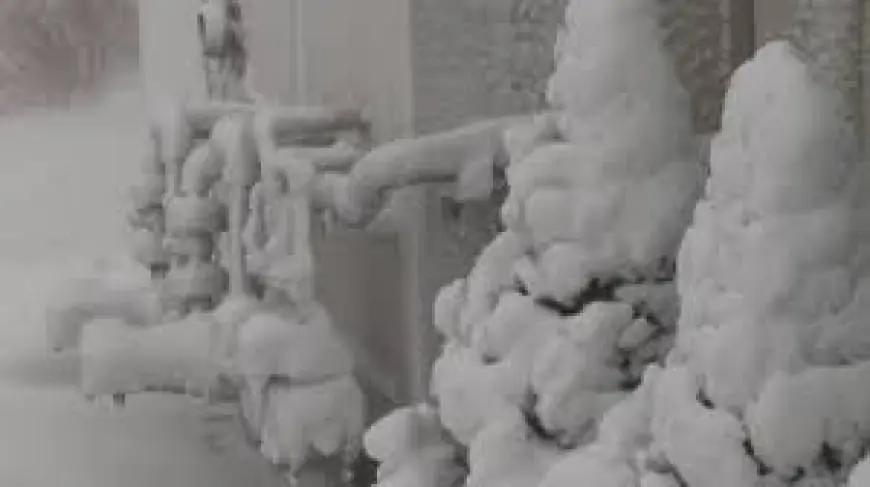
The Travel Ban Massachusetts is in effect for parts of the state after a historic nor’easter shut down streets, schools and businesses and dumped more than two — and even three — feet of snow in parts of the region. The size of the storm and continued high winds have left officials and residents in Greater Boston and beyond facing a daunting task of digging out just weeks after the last major storm left streets, bus stops and sidewalks blocked by mountains of snow.
Travel Ban Massachusetts: where driving was restricted
The governor banned all non-essential driving on Martha’s Vineyard and in Bristol, Plymouth and Barnstable counties; those counties include New Bedford and nearby Fall River. The travel ban was a direct response to the nor’easter that barreled through New England on Monday and that shut down streets, schools and businesses across the state and region.
Storm scope and immediate impacts
The nor’easter dumped more than two — and even three — feet of snow in parts of the state and region, combining very heavy snow with incredibly high wind speeds. The storm’s intensity forced closures and created widespread disruption, compounding recovery needs just weeks after a previous major storm had crowded city streets, bus stops and sidewalks with large snow piles.
Boston response: manpower, equipment and operational priorities
Boston’s interim chief of streets said the city mobilized roughly 1, 000 workers and 900 pieces of equipment, including snow spreaders and plows, to clear streets for first responders and MBTA buses throughout the storm. The city had more front-end loaders and diggers actively removing snow piles before the storm ended than it did throughout last month’s storm.
City workers planned to prioritize clearing parking lots and areas around Boston Public Schools buildings — which remain closed Tuesday — and removing snow banks in bike lanes, crosswalks and curbs. The city now has 14 snow farms where workers are taking and melting snow. Officials cautioned that snow removal efforts will likely stretch throughout the week, with more snow expected to arrive before Friday.
Leadership, political pressures and public patience
Boston’s mayor and other city officials faced criticism earlier this month after large snow piles blocked sidewalks and covered curbs of major intersections for weeks following a late January storm. In response to the current storm, the mayor asked for residents’ patience, noting that the combination of heavy snow and very high wind speeds will mean it takes a little bit to dig out.
The mayor framed the city’s No. 1 goal as ensuring everyone’s safety, then getting the city back up and running and getting schools reopened as quickly as possible, adding that the city’s long experience with New England storms informs recovery efforts. City leaders hoped that starting a parking ban Sunday afternoon—hours before the first major snow began falling—and extending it until 6 p. m. on Tuesday would help speed up snow-removal operations and avoid storing large piles at intersections.
Regional assistance and New Bedford’s situation
State officials made requests for additional equipment from neighboring states, naming Vermont, New Hampshire and New York as places the governor asked for help so “we can dig out sooner and get back to business. ” In New Bedford, the mayor’s spokesperson said the city focused Monday on clearing primary roadways. The mayor also asked the state’s National Guard and the Department of Transportation for help getting more equipment for snow removal.
The mayor’s spokesperson said it appeared the city would get some dump—unclear in the provided context what exactly was expected to arrive. The combination of local clearing priorities and requests for outside equipment underscores the scale of the recovery challenge in coastal and inland communities alike.
Site access note from a regional news site
A regional news site stated its web platform is built to take advantage of the latest technology to make the experience faster and easier, and noted that some browsers are not supported, asking readers to download updated browsers for the best experience. This advisory appeared alongside coverage of the storm-related closures and recovery efforts.
As crews continue clearing streets and neighborhoods, communities remain braced for a slow melt and the slow task of moving and melting snow piles left after successive storms.