

























Bill Gurley: Playing It Safe Is Your Career’s Biggest Risk — Who Feels That Risk First

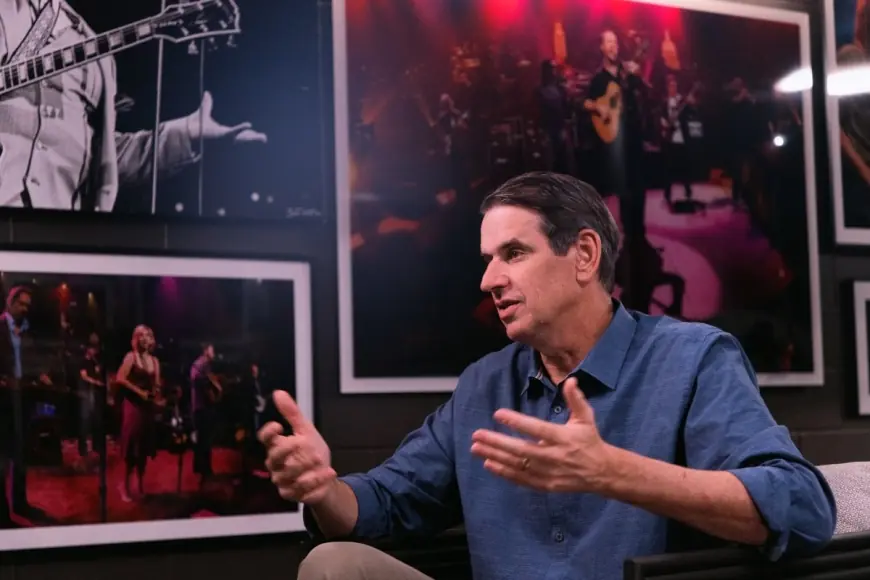
What matters now is who runs out of time to experiment. bill gurley frames career risk as a failure of boldness: his decade of research and a Wharton-backed survey found roughly 6 in 10 people would change their career starts, and he’s backing a plan to nudge risk-averse workers with practical support. That combination — a book, modest grants, and public-policy work — targets the people most squeezed by economic uncertainty and rapid AI-driven change.
Bill Gurley’s posture: who faces the biggest shift and why it matters
Here’s the part that matters: Gurley’s prescription is aimed less at veterans of the startup echo chamber and more at early- and mid-career workers who feel trapped by stability. His research with an academic partner found nearly 60% of respondents would do things differently if they could restart a career, a finding he links to regrets of inaction rather than mistakes made.
To reduce that regret, he’s pairing ideas with small, targeted incentives. He plans a foundation that will award 100 grants of $5, 000 a year to people who need a financial cushion to take a leap. That design acknowledges a blunt fact: following passion is easier with runway. If you’re wondering why this keeps coming up, it’s because Gurley sees AI changing the workforce and believes experimentation is a competitive strategy, not a luxury.
Event details and the practical side of his argument
Gurley has channeled his decade-long study into a book titled Runnin’ Down a Dream and into institutional efforts described as a foundation and a policy institute. He has also stepped back from active investing and relocated to Austin, reallocating his time toward projects aimed at reducing career regret and encouraging people to pursue work that aligns with their strengths.
- Book: Runnin’ Down a Dream — presents patterns from Gurley’s research and argues passion can be a competitive strategy.
- Foundation: Running Down a Dream Foundation — plans to award 100 annual grants of $5, 000 to help people take career risks.
- Research signal: A Wharton-backed poll found roughly 60% of people would change their career start if they could.
He also critiques common mentorship advice and offers a practical reframe: seek both aspirational examples and pragmatic, accessible mentors, and let remarkable work create proximity rather than forcing unlikely introductions. In other words, stop cold-emailing unreachable figures and focus on learning from people who are both instructive and reachable.
It’s easy to overlook, but the package — book, grants, and a policy effort — is structured to attack both the mindset and the logistical barrier to risk-taking. The small-grant model recognizes that many people aren’t short on ideas; they’re short on cushioning to try them.
Who is affected first? Early-career professionals, those living paycheck to paycheck, and anyone in a role vulnerable to automation or industry restructuring are the immediate audience. Founders and established operators are also being asked to rethink mentorship norms and how they cultivate talent. The real question now is whether modest, targeted support will translate into measurable career shifts at scale.
Micro-timeline (key moves, no dates):
- Decade of research into career patterns and regrets.
- Publication of Runnin’ Down a Dream to synthesize that work.
- Creation of a foundation to deliver 100 small annual grants and formation of a policy institute to pursue broader change.
Practical signals that would confirm momentum include uptake of the grants by people who then change careers or publicly document career experiments, broader adoption of the pragmatic-mentor model in workplaces, and evidence that the initiative informs policy debates about workforce transitions. Recent coverage highlights the urgency of this conversation in the context of AI-driven labor shifts and continuing industry churn, but details about policy institute plans may evolve.
Final note: Gurley’s argument flips the usual cautionary career playbook. Rather than treating stability as inherently safe, he frames inaction as the long-term risk. That reframing matters because it changes what individuals, managers, and policymakers prioritize when navigating a fast-changing labor market.