







Braves Vision and the New Playbook for Local Sports TV: What Changes for Fans and Regional Teams

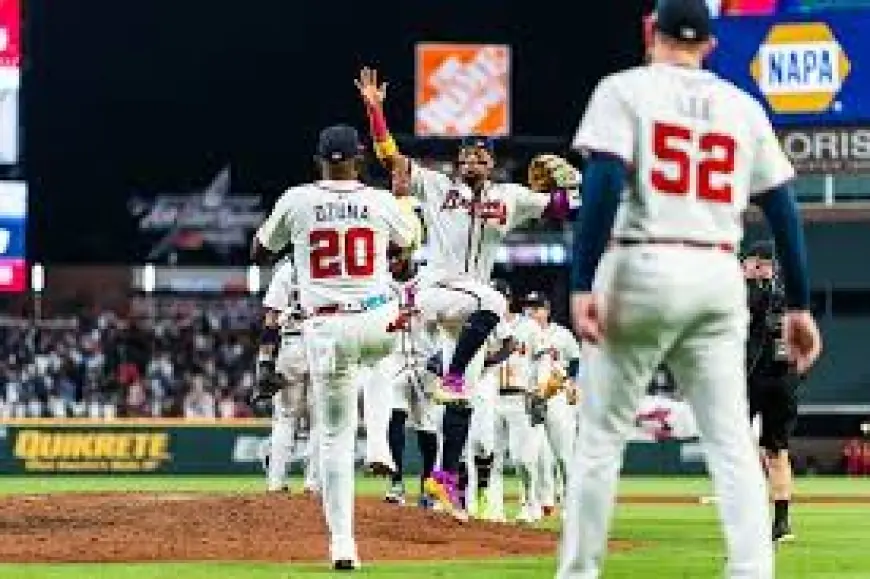
The launch of braves vision marks a deliberate pivot: the club is bringing production, sales and distribution under its own roof and shifting toward a direct-to-distributor approach. That change immediately alters how local games are packaged and sold, creates a potential broadcast option for nearby franchises currently in limbo, and forces distributors and rival teams to reassess short-term carriage plans.
Braves Vision's immediate distribution implications
Moving to an in-house network lets the team control more of the commercial and editorial pipeline for its telecasts. The organization plans to run an owned-and-operated television network that will handle production, sales, marketing and distribution of its scheduled regular-season games — including a slate that exceeds 140 contests — plus expanded pregame and postgame coverage across its territory.
Here's the part that matters: the Braves are pursuing deals directly with major cable, satellite and virtual distributors rather than relying solely on a third-party regional operator. In parallel, the team is using a regional broadcast partner to air a set of spring training games free over the air across multiple Southern markets while it refines the regular-season blueprint.
- Team-run control over production and sales shifts negotiation leverage away from an outside RSN operator and toward the club.
- Other regional franchises without long-term homes may view the new network as an option — though engagement is not guaranteed.
- Distributors face a new negotiation counterpart: the rights-holder rather than a separate channel operator.
- Fans should expect both direct distributor carriage and streaming access through the team’s streaming platform for non-national exclusive games.
It’s easy to overlook, but the club has already begun hiring sales staff — a sign that this is intended as a durable commercial operation, not a short-term stopgap.
Event details and the surrounding broadcast landscape
The team announced the creation of Braves Vision as its exclusive local television home, describing a setup that pairs owned production with distribution through negotiated carriage agreements. In addition to the regular-season plan, the organization arranged for a regional broadcast partner to carry 15 spring training games across 26 Southern markets this preseason; those spring games will also stream free on the team’s streaming service with a free account option.
Other nearby professional teams currently airing on a different regional sports channel are facing uncertainty because that channel may wind down operations in mid-April unless new financing arrives. Creditors could force a liquidation before the season ends, which would leave those teams needing new broadcast homes no later than the start of the next regular season. One of those teams has publicly stated it has not had discussions with the Braves about joining the new network; another declined to comment. The Braves, with or without partners, intend to have the new network ready by the regular season and have begun front-office hiring to support launch.
If you’re wondering why this keeps coming up: leagues are evaluating centralized streaming strategies in the coming years, which helps explain why some teams are considering short-term or interim distribution deals rather than long-term commitments today.
- Feb. 24, 2026 — Team announcement establishing Braves Vision as the club’s local television network.
- Preseason — 15 spring training games scheduled for free over-the-air broadcast across 26 regional markets and simultaneous streaming with a free-account option.
- Mid-April (near-term) — Current regional channel that carries several neighboring teams may wind down operations absent financing, creating urgency for new homes before next season.
The real question now is how many neighboring franchises will align with the team’s in-house model and whether major distributors will accept direct carriage deals on the team’s terms. Early signs — regional spring broadcasts and sales hires — point to a full-scale launch intended for the regular season, but details on carriage, channel placement and multi-team partnerships are still being finalized and may evolve.
What’s easy to miss is that a club-run network changes bargaining dynamics: the rights-holder sets both the editorial product and commercial terms, which can compress negotiation timelines for distributors while increasing flexibility for bundled deals across platforms.
Note on uncertainty: some teams remain publicly uncommitted to joining the network, and the broader distribution landscape is still subject to change as negotiations continue.