


















Nick Reiner Case in Flux: Not-Guilty Plea and an Incomplete Autopsy Leave Major Questions

Why this matters now: The legal posture for nick reiner changed when he entered a not-guilty plea, but the investigation remains incomplete and forensics are pending. That gap — a plea entered while autopsy work is still unfinished — shifts immediate focus from courtroom theatrics to forensic timetables and how missing forensic closure will shape both prosecutorial strategy and defense options.
Nick Reiner's plea reframes uncertainty more than it resolves it
Here’s the part that matters: the entry of a not-guilty plea does not settle the core factual questions in this situation. The plea establishes the formal adversarial posture in court, but with Rob and Michele Reiner's autopsy still not completed, key evidence that could inform charges, forensic narratives, and pretrial motions remains unavailable. That absence creates legal friction — and practical delays — before either side can fully test theories in court.
What is known about the filings and the victims
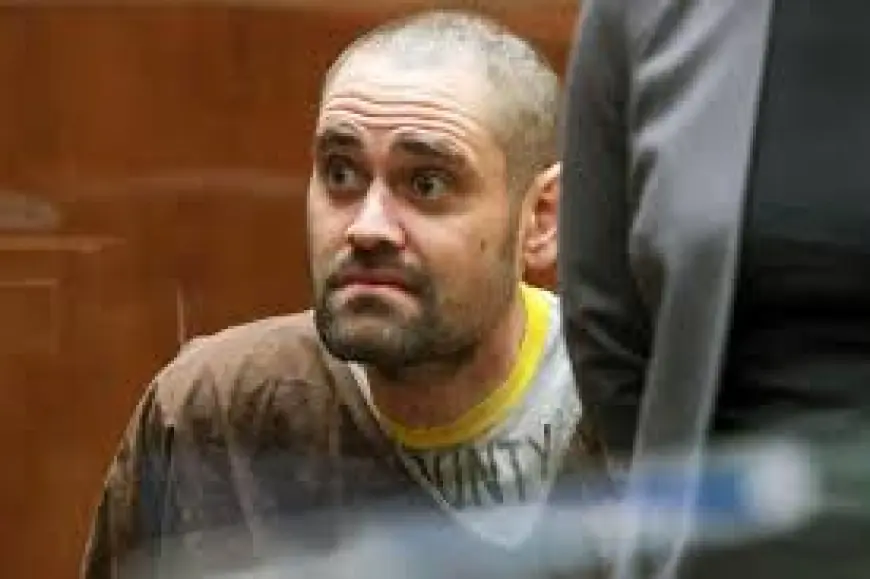
Nick Reiner pleaded not guilty to murder charges connected to the deaths of his parents, Rob and Michele Reiner. The autopsy for Rob and Michele Reiner has not been completed as the not-guilty plea was entered. Beyond those points, details are unclear in the provided context.
How the incomplete autopsy shapes the immediate legal path
With autopsy results pending, prosecutors may have limited forensic findings to support charging decisions or to oppose defense motions; defense counsel will likely use the pending status as a basis to press for disclosure timelines or to argue against rushed proceedings. The incomplete autopsy could affect discovery schedules, pretrial hearings, and any early plea discussions. The real question now is whether the forensic timeline will accelerate or continue to be a gating factor.
- Entry of a not-guilty plea formalizes a contested criminal case against Nick Reiner and moves it into the arraignment/pleading phase.
- Rob and Michele Reiner are identified as the victims; their autopsy remains incomplete, leaving forensic conclusions open.
- Because autopsy work is unfinished, the timing for critical evidence to emerge is unclear and could delay pretrial scheduling.
- If autopsy findings change or clarify cause and manner of death, they could materially alter prosecutorial decisions or defense strategy.
Practical next steps in an ambiguous docket
Court clerks and counsel will likely be watching forensic timelines closely; motions for continuance or for specific disclosure deadlines are plausible next filings while the autopsy remains pending. The pace at which medical examiners complete work will directly influence when hearings can proceed on evidentiary matters. It is unclear in the provided context when those deadlines might be met.
It’s easy to overlook, but the timing of forensic reports often dictates the tempo of a criminal case long before trial calendars are set. That dynamic is the bigger signal here: procedural posture and evidence availability will likely determine the near-term story more than courtroom rhetoric.
Recent updates indicate the situation is developing; details may evolve as autopsy results are finalized and as court filings follow.
Writer's aside: What’s easy to miss is how often the absence of a single forensic document shapes months of pretrial maneuvering — that dynamic appears central in this matter.