






















Dte Outage Map: How a Historic Blizzard Left Campus Communities and City Services Strained

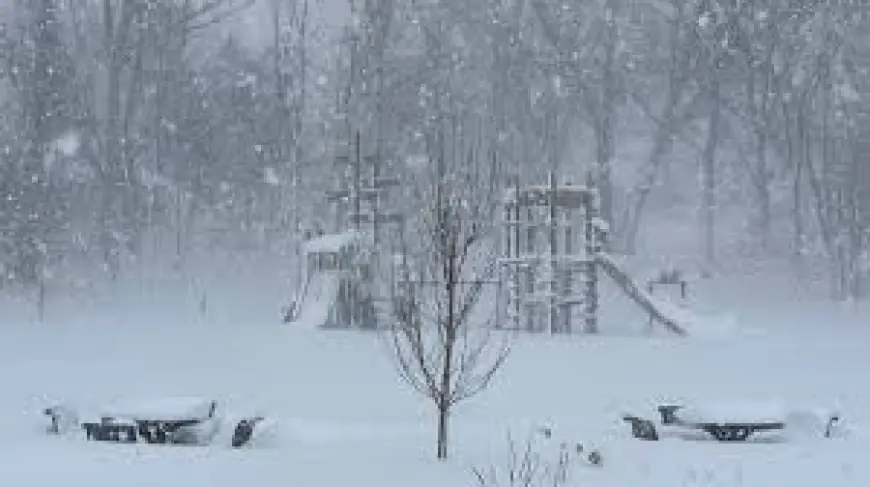
Students, hospital staff and commuters became the first to feel the fallout from a historic blizzard, and many turned to a dte outage map as power interruptions compounded travel chaos. The closure of major campuses for a second day forced cancellations and reshuffled essential operations, while limited transit and travel bans kept large swaths of the region paused as it recovered from heavy snowfall.
Dte Outage Map and immediate impact on people who rely on campus services
Here’s the part that matters: residences, clinical operations and anyone dependent on public transit faced the clearest short-term consequences. Scattered power outages in surrounding towns disrupted daily routines and put pressure on on-campus medical services and dining facilities that remained open. For those monitoring a dte outage map, the practical question was whether local outages would affect study spaces, campus housing, or clinical sites that still needed staff on site.
It’s easy to overlook, but the decision to keep the campuses closed also shifted who was expected to show up in person: only employees deemed essential were asked to report, while most staff and students were told not to work or attend classes for the day.
What happened on the ground and why campuses stayed closed
A major university announced a second consecutive closure for all instructional and administrative operations across its Charles River, Fenway and Medical campuses as the region sorted through the aftermath of the blizzard. The announcement pointed to multiple, compounding factors behind the decision: widespread service changes to local rapid transit and commuter rail that made commuting difficult, unavailability of campus shuttle buses, travel bans issued by state leadership, and scattered power outages in nearby communities.
Operational guidance during the closure made clear that the university considered a narrow set of services essential. On-campus essential employees were expected to report as scheduled; examples of essential services listed included University Police, dining operations, residence life and network services. Medical campus essentials included public safety, emergency patient treatment and occupational and environmental medicine. Medical, PA and graduate medical sciences students assigned to inpatient services or clinics were expected to be present if possible.
A brief timeline embedded in the announcement outlined the near-term plan: the campuses would remain closed for the specified day and then resume normal operations on the following day once the region recovered. Schedule details and reopening dates were provided directly to the university community.
- Heavy snowfall left many areas with more than two feet of accumulation, creating hazardous travel conditions.
- Transit reductions and shuttle unavailability made commuting impractical for many students and staff.
- Scattered power outages increased reliance on outage trackers; residents consulted a dte outage map along with other local resources while assessing conditions.
Key takeaways:
- Campus operations were paused to prioritize safety while essential services continued to support housing, clinical care and emergency functions.
- Commuting infrastructure breakdowns were as consequential as the snow totals for the decision to remain closed.
- Power interruptions were localized but disruptive; outage maps became part of routine situational awareness for residents and campus teams.
- Students assigned to inpatient medical responsibilities faced different expectations than those in outpatient or classroom roles.
If you’re wondering why this keeps coming up: major storms create overlapping logjams — transit, power and staffing — and closures reflect the cumulative risk, not a single failure. The real test will be whether transit and utility restorations keep pace with the planned resumption of normal operations.
What’s easy to miss is the administrative ripple: a two-day closure cancels in-person and virtual class sessions and forces managers to apply emergency exceptions selectively for work that cannot be postponed, creating extra scheduling and instructional headaches as the semester moves forward.
Residents and campus community members should continue to use official communications from their institutions for instructions on essential reporting and safety, and monitor local outage information if power reliability remains uncertain. Schedule updates are subject to change as recovery continues.