









Tourette Syndrome outbursts at BAFTAs draw sharp backlash from Jamie Foxx, Wendell Pierce and industry figures

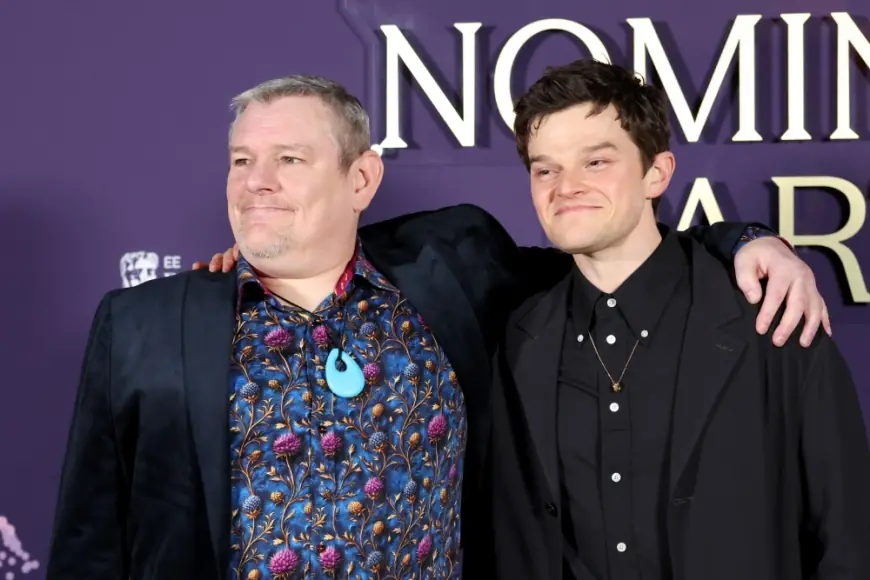
The fallout over a series of involuntary outbursts linked to tourette syndrome at the BAFTAs intensified as high-profile figures criticised the incident and organisers issued apologies. The controversy centred on a guest who shouted strong language and a racial slur during the ceremony, prompting comments from celebrities, production staff, presenters and a broadcaster spokesperson.
Tourette Syndrome: how organisers addressed the audience
BAFTAs host Alan Cumming made two public announcements during the ceremony explaining that Tourette Syndrome is a disability and that the vocal tics heard were involuntary, adding an apology for anyone offended by what was heard. Before the show began, the floor manager introduced the guest as "John Davidson MBE" from one of the nominated films "I Swear, " and warned the audience they might hear involuntary noises or movements during the ceremony.
What happened in the auditorium and on the delayed broadcast
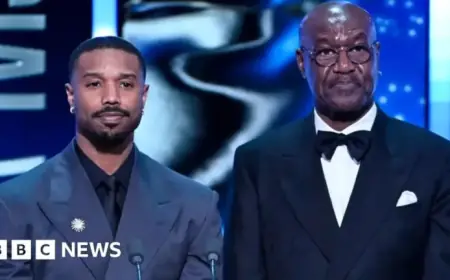
Several outbursts were audible inside the ceremony. During an introductory speech from the BAFTA chair Sara Putt, a shout of "shut the fuck up" was heard. When the directors of "Boong" accepted the award for best children's and family film, the words "fuck you" were audible. While Michael B. Jordan and Delroy Lindo presented what was described as the evening's first prize — the award for best visual effects to "Avatar: Fire and Ash" — the N-word was shouted from the auditorium.
The outbursts were not present in the later half of the event when the guest appeared to have left the room. Organisers say he left of his own accord and was not asked to leave. The ceremony was broadcast with a two-hour delay in the UK and with a delayed transmission in the United States; the outbursts were not edited out of the delayed broadcast.
Celebrity reactions and growing backlash
Actors Jamie Foxx and Wendell Pierce publicly expressed dismay at the incident. Foxx commented with the word "Unacceptable" and added a second comment that he believed the guest had meant the language. Journalist Jemele Hill posted that Black people are expected to accept disrespect so others do not feel bad. Wendell Pierce said it was infuriating that the initial reaction did not prioritise full apologies to Delroy Lindo and Michael B. Jordan, stressing that the insult to them takes priority regardless of reason.
Production designer Hannah Beachler said she also had a racial slur directed at her and criticised what she called a "throwaway" apology at the end of the show that amounted to "if you were offended, " arguing the phrasing made the situation worse.
Responses from organisers, a broadcaster and John Davidson MBE
A broadcaster's spokesperson apologised for the shouts heard by viewers, saying some may have heard strong and offensive language during the BAFTA film awards and that the language arose from involuntary verbal tics associated with Tourette syndrome and was not intentional. Separately, producers working for the broadcast said they "didn't hear" the N-word slur because they were working in a truck.
John Davidson MBE, described as the inspiration for the film "I Swear, " issued a statement saying he was deeply mortified if anyone considers his involuntary tics to be intentional or to carry any meaning. He said he has spent his life supporting and empowering the Tourette's community and teaching empathy, kindness and understanding, and that he would continue to do so. He chose to leave the auditorium early into the ceremony because he was aware of the distress his tics were causing.
Context from the film and medical note on tourette syndrome
"I Swear, " which follows Davidson's life and the experiences that inspired a seminal documentary called "John's Not Mad, " features Robert Aramayo as Davidson at age 25. The film was directed, written and produced by Kirk Jones and was up for five BAFTAs, including best leading actor for Robert Aramayo, best supporting actor for Peter Mullan, best original screenplay and casting, with casting noted as having won. It was also competing for outstanding British film.
Robert Aramayo was awarded the EE Rising Star prize on the night. He described John Davidson as "the most remarkable man I ever met, " called him forthcoming with education and said there is much more to learn about Tourette's. The final line of Aramayo's speech recorded in the context is unclear in the provided context.
Medically, TS is described in the provided material as a motor control disorder characterised by muscular and vocal tics. It was noted that some 10–20% of people with the condition experience loud, involuntary swearing, known as coprolalia. The context also includes that Davidson was diagnosed with the condition at age 25 and that his symptoms first began when he was 12, with tics and uncontrollable outbursts often involving cursing.
Immediate implications and what may come next
The row has prompted discussion about how live events, delayed broadcasts and venue warnings intersect with the public airing of involuntary medical symptoms, and has increased pressure on organisers to clarify guest management and apology language. Organisers have apologised for offence caused, while others in the industry have called for more straightforward apologies to the presenters who were directly targeted by the slur. The situation remains subject to further comment from involved parties.