










John Davidson Outburst Forces Immediate Reckoning at BAFTAs, Presenters and Guests Left Reeling

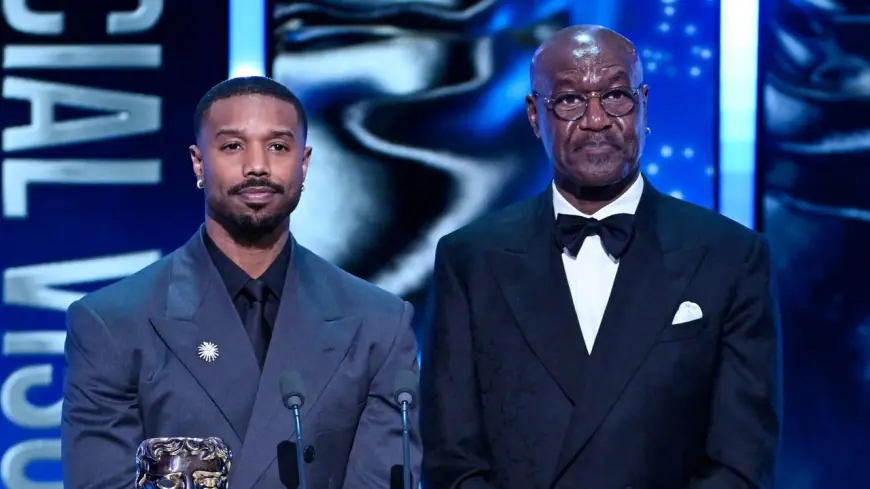
The moment matters because it put multiple groups—presenters, nominees, viewers and the Tourette’s community—into an awkward, emotional spotlight almost instantly. john davidson’s involuntary tics and a subsequent racial slur while the Sinners stars presented best visual effects produced visible shock in the room, raised questions about how live events accommodate disability, and generated an institutional response from the broadcaster and the ceremony host.
John Davidson’s outburst and who felt the impact first
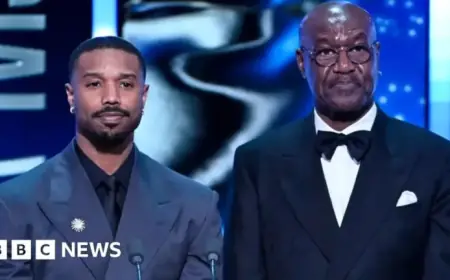
The most immediate impact landed on Michael B. Jordan and Delroy Lindo: the slur was directed at them while they were presenting the award for best visual effects to Avatar: Fire and Ash. Audience members gasped and Jordan was visibly startled. Guests at a following dinner and several after-parties were talking about the incident all evening, and a debate among attendees and online followed about how Tourette’s-related behaviour should be handled in a formal ceremony.
How the moment sat inside the ceremony
The host, Alan Cumming, had opened the show and then interrupted his hosting multiple times to explain that some strong language can be part of how Tourette’s syndrome shows up for some people; he asked for understanding and a respectful space. Earlier in the program john davidson’s tics included multiple outbursts during the first portion of the ceremony—exclamations that interrupted housekeeping and opening remarks—and the floor team had told the audience beforehand to expect involuntary noises or movements from him. Around 25 minutes into the proceedings at the Royal Festival Hall, davidson left the auditorium of his own accord.
Reactions in the room and at after-parties
At a Warner Bros. after-party, Delroy Lindo said he and Michael B. Jordan had done what they needed to while presenting but wished someone from the ceremony organizers had spoken to them afterward. Despite the disruption, Lindo was later seen in good spirits while chatting with costar Wunmi Mosaku, who won best supporting actress. Michael B. Jordan briefly attended a separate fashion-titles’ after-party where he was listed as a host. Production designer Hannah Beachler later wrote that the incident happened three times during the night and that one of those instances was directed at her on the way to dinner after the show.
Broadcast choices, apologies and edits
The awards aired on a tape delay, yet the slur remained in the broadcast; a broadcaster spokesperson apologized that the language was not edited out prior to transmission and said it will be removed. The same broadcaster did not air an outspoken line by an outstanding-debut winner at the end of a speech, explaining that edits were made to deliver the program to time. The ceremony organizers hosted a dinner for nominees and guests where attendees continued discussing the episode, and the organizers deferred some comment to the broadcaster when asked for a statement.
- Here’s the part that matters: the episode combined an involuntary medical condition, a public stage, and sensitive language—creating simultaneous sympathy, alarm and debate.
- Who is affected: presenters present at the moment, the film’s cast and crew, viewers who saw the broadcast, and people living with Tourette’s who face public misunderstanding.
- Signals that could confirm the next turn: whether the broadcaster removes the moment from future airings, whether organizers change pre-show notices or seating protocols, and whether those directly involved receive follow-up communication from ceremony leadership.
Awards context and surrounding wins
john davidson is the real-life inspiration for the British film I Swear; Robert Aramayo, who portrays the Scotsman, won both the BAFTA rising-star award and the lead-actor prize over front-runners Timothée Chalamet and Leonardo DiCaprio. The film’s central subject follows a man’s struggle growing up with Tourette’s syndrome, a condition defined by sudden, involuntary and repetitive movements or sounds called tics that can include outbursts of language. Ryan Coogler won best original screenplay and gave a speech about community, while other prize moments and surprises unfolded around the evening.
What’s easy to miss is how those dual roles—being both the inspiration for a celebrated film and the source of this night’s disruption—complicate how guests and the public interpret intent and harm.
A trailing fragment in the available notes reads "Prince Willi" and is unclear in the provided context.
Overall, the scene forced an immediate reckoning: performers and organizers had to manage a live audience, a tape-delayed broadcast still carrying offensive language, and the competing priorities of inclusion, safety and the practicalities of televised timing.