





















David Carradine’s Unusual Cause of Death Is Prompting New Questions About Closure and Memory

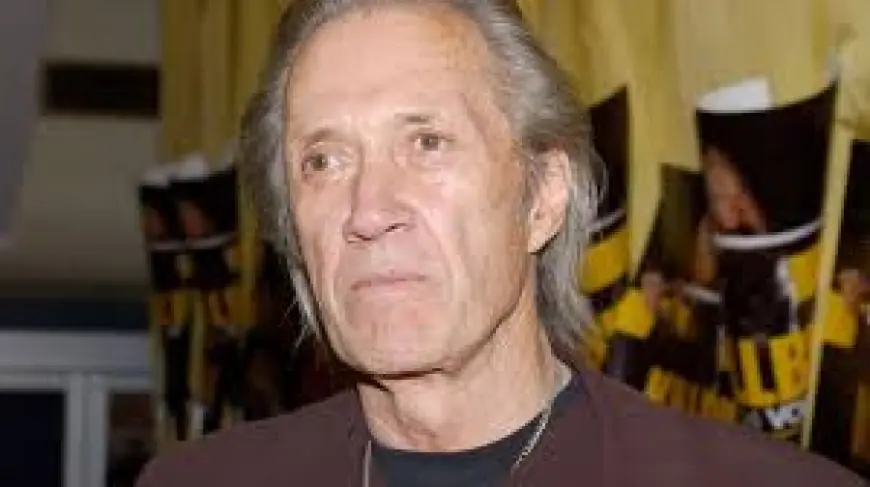
Why this matters now: a recent headline framed the actor’s cause of death as unusual and asked, bluntly, how he died. That single framing shifts the conversation from a settled end to a lingering uncertainty that affects fans, cultural memory, and the public record. If you followed his career, this reframing changes how people revisit his life and work; it also increases demand for clearer, verifiable detail.
David Carradine and the ripple effects of an "unusual" cause
Here’s the part that matters: describing a cause of death as "unusual" does more than label an incident — it invites scrutiny, speculation, and renewed attention. For audiences who remember performances more than headlines, the descriptor pulls the focus back onto the circumstances of death rather than the body of work. For archivists, historians and fan communities, that means re-examining available accounts and pressing for concrete facts that can clarify the record.
It’s easy to overlook, but public narratives often hinge on a single word. Calling a cause of death "unusual" signals unresolved elements; it makes steps like documentation, timelines or official clarification more salient for anyone trying to understand or explain what happened.
What the recent coverage states and what remains open
The core, uncontested point in the recent headline is limited: the cause of death was described as unusual, and the headline asked how he died. Beyond that framing, details are absent here, so confirmation and fuller explanation remain pending. The real question now is whether additional information will follow that expands beyond the initial characterization.
- What is known from the headline: the cause of death was labeled unusual.
- What is not known here: specifics about the cause, timing, or investigative findings — those elements are not present in the brief coverage headline alone.
- Likely immediate consequence: renewed public interest and requests for clarification from those preserving the historical record.
For readers, that means treating the label as a prompt to seek confirmation rather than as a final explanation. If you’re wondering why this keeps coming up, consider that unresolved questions tend to re-ignite attention around public figures and their legacies.
Quick micro Q& A
Q: What did the headline say?
A: It described the cause of death as unusual and posed the question, "How did he die?"
Q: Who is most affected by that framing?
A: Fans, cultural historians and anyone maintaining public records or retrospectives will feel the impact first, since the descriptor prompts re-examination of past accounts.
Q: What would resolve the uncertainty?
A: Clear, verifiable details or authoritative clarification would change the conversation from speculation to documented fact; until then, the story should be treated as developing.
The bigger signal here is that a single, attention-grabbing word can redirect how a public figure is remembered; until further explanation appears, avoid treating the label as a full explanation.