








Bafta Backlash Over N-word Outburst Reframes Conversation on Tourette Syndrome and Live Broadcast Delay

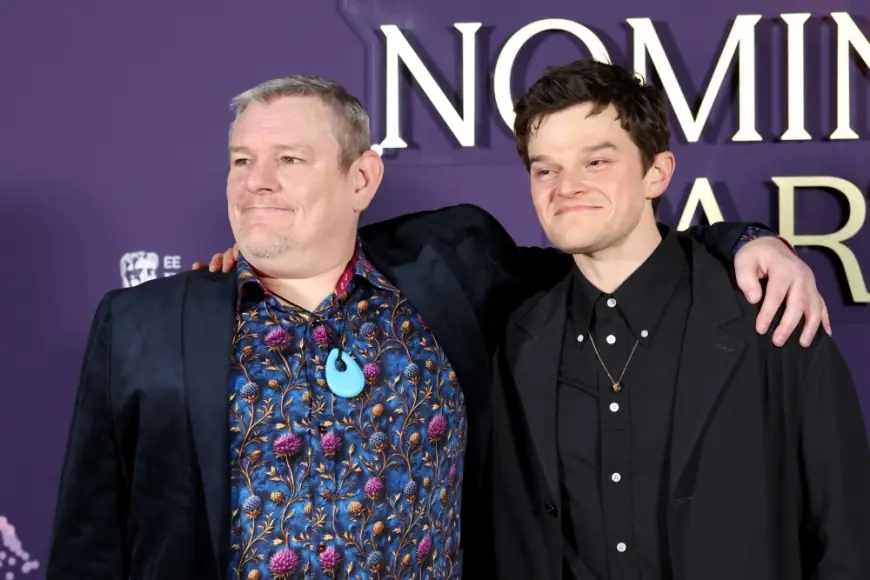
The incident matters because public figures and creative professionals were directly affected by language that many found intolerable, while the person responsible is part of the Tourette Syndrome community the night intended to celebrate. Tourette Syndrome is now central to debates about ceremony protocols, audience safety and how awards shows prepare for involuntary vocal tics when a film inspired by the campaigner was among the nominees.
Who felt the impact first — performers, presenters and the Tourette Syndrome community
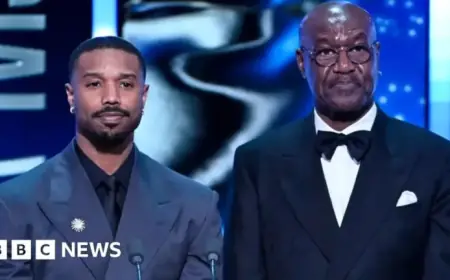
Presenters Delroy Lindo and Michael B. Jordan were on stage when an N-word slur was shouted from the audience, and other winners and nominees also experienced shouted expletives during the ceremony. Sinners’ production designer Hannah Beachler later said a racial slur was directed at her and criticised what she described as a "throwaway" apology. Prominent actors Jamie Foxx and Wendell Pierce publicly expressed dismay at the outburst, and a journalist framed the episode as another example of Black people being expected to tolerate disrespect so others don't feel uncomfortable.
Event details embedded: the outbursts, announcements and how the ceremony unfolded
Organisers and the ceremony host made on-stage statements explaining that involuntary tics can be part of Tourette Syndrome and that the person responsible had no control over the language. The host thanked the audience for their understanding and reiterated that Tourette Syndrome is a disability; an apology was offered in the phrasing "if you are offended tonight. " Multiple audible outbursts included phrases reported as "shut the fuck up" during a speech by the chair, "fuck you" when the directors of a film called Boong accepted a prize for children’s and family film, and the racial slur when Michael B. Jordan and Delroy Lindo presented the award for best visual effects to Avatar: Fire and Ash.
Background on the guest and the nominated film
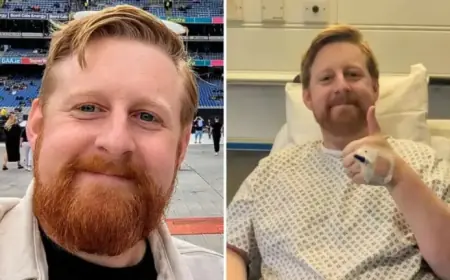
The person behind the outbursts is John Davidson, a campaigner whose life inspired the film I Swear; he was introduced to the audience before the event as John Davidson MBE and with a warning that involuntary noises or movements might be heard. The film follows his experience at age 25 and draws on an earlier documentary that brought wide attention to his condition. I Swear was up for five awards, including leading actor for Robert Aramayo and supporting actor for Peter Mullan, and it won casting; the film was also in contention for outstanding British film. Robert Aramayo received the ceremony’s rising-star prize and spoke about Davidson’s role in educating about Tourette’s and the need for continued learning about the condition; the context of his remarks is unclear in the provided context.
Handling, departures and broadcast choices
The campaigner left the auditorium early into the ceremony, saying he had done so because he was aware of the distress his tics were causing; organisers did not ask him to leave and he is described as an invited guest. The outbursts were not edited out of the delayed telecast, which aired with a two-hour delay in the UK and the U. S. A broadcaster’s spokesperson apologised for the offensive language, stating it arose from involuntary verbal tics associated with Tourette Syndrome and was not intentional; producers working remotely said they had not heard the slur because they were "working in a truck. " What’s easy to miss is how these operational details — guest briefing, on-stage explanation and broadcast delay — collide with audience expectations in real time.
- Key takeaways: the ceremony’s on-stage explanations centred on involuntary tics and a disability framing.
- Those most immediately affected included on-stage presenters, nominated creatives like Hannah Beachler, and viewers who heard the slurs live or on the delayed broadcast.
- The film I Swear, inspired by John Davidson, was a focal point of the night and won casting while its lead earned a rising-star prize.
- Public figures called for clearer accountability and stronger apologies rather than statements framed as if offense were optional.
Here’s the part that matters: the incident has forced a collision between disability explanation and accountability for offensive language in a public, celebratory setting. The real question now is whether awards shows will change briefing, seating and broadcast practices to reduce the chance of similar disruptions and to better support all attendees.
Additional verifiable details from the event: the campaigner was diagnosed at age 25 and first experienced symptoms at age 12; his symptoms include tics and uncontrollable outbursts often involving cursing. Tourette Syndrome is defined in the context as a motor control disorder characterised by muscular and vocal tics; an estimated minority of people with the condition experience loud involuntary swearing, known as coprolalia, and the figure given in the provided context is 10–20%.
The reaction mix included sharp criticism of the apology language, public expressions of dismay from well-known actors, a technical note that remote producers did not hear the slur because they were working offsite, and the campaigner’s own statement that he was "deeply mortified" if anyone considered his involuntary tics intentional and that he will continue supporting and educating about Tourette Syndrome.
It’s easy to overlook, but the bigger signal here is how a single disruptive series of involuntary tics during a high-profile ceremony exposed gaps in planning and empathy simultaneously — for presenters, nominees and for people living with Tourette Syndrome.