























Cia Tv Show locks the FBI universe into a familiar groove — why that reshapes the spinoff’s immediate stakes

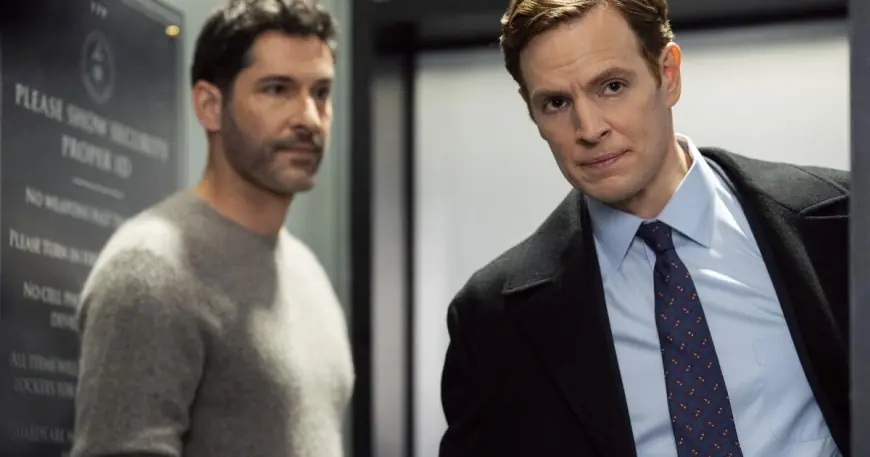
The arrival of the cia tv show shifts the franchise’s balance from novelty to consequence: pairing a rule-averse CIA operator with a by-the-book FBI agent changes not just tone but the kinds of plots the series will need to deliver. With a stolen weapon, a mole mandate and a permanent reassignment forcing partners to share a secret fusion team, the first hour sets up obligations the program must meet if it wants to outgrow procedural predictability.
Cia Tv Show’s immediate consequence: obligation to answer open operational and character questions
Here’s the part that matters: Bill Goodman’s new permanent placement in a CIA/FBI hybrid obliges the series to explain how that cooperation actually works. At the end of the premiere, Jubal Valentine tells Bill he is now permanently assigned to the fusion team and that there is a mole — Bill must locate who is leaking. That directive converts a one-off partnership into an investigative throughline, and it forces narrative follow-through on internal trust, leaks, and jurisdictional friction.
How the first episode bundles franchise mechanics with a classic buddy procedural
The hour titled "Directed Energy" opens with a dramatic theft: a top-secret weapon is taken in broad daylight from a U. S. defense contractor. CIA agent Colin Glass (Tom Ellis) and FBI agent Bill Goodman (Nick Gehlfuss) are paired to investigate. Colin is presented as a fast-talking, rule-breaking, loose-cannon CIA case officer; Bill is described as a by-the-book, seasoned, smart FBI agent who believes in the rule of law. Their clash—leather jacket versus salaryman suit, different grooming and approaches—drives the episode toward a predictable but serviceable arc in which opposing viewpoints become an asset.
Key plot beats and texture you should know (not a blow-by-blow)
- The premiere includes an office scene in which people are violently poisoned, setting an immediate public-safety pressure point for the team.
- Colin needs FBI access to operate in New York, so Bill is sent by Jubal Valentine (guest-starring Jeremy Sisto) to assist on a counter-terrorism operation.
- Operational color: the episode shows the CIA taking surprise meetings in cars and saunas, and Colin using unconventional assets—people who might otherwise face terrorism charges—and even taking injured assets to a surgeon working out of a pawn shop.
- A steam-room information exchange provides an early glimpse of Colin’s globe-trotting, Bond-adjacent vibe; he’s described as born in America but raised in England, which explains the accent and manner.
- Necar Zadegan appears in a supportive guidance/back-up role; she was previously in NCIS: New Orleans.
Character detail that changes the show’s obligations
Bill’s résumé is specific and consequential: he has a law degree earned with highest honors, served two tours in Afghanistan, and is framed as patriotic, dedicated and an overachiever committed to enforcing the law. That background sets a credible internal conflict when he is asked to tolerate CIA gray areas—an institutional and ethical tension the series will need to sustain. Colin’s methods—rule-bending, rapid decisions, and a willingness to use murky assets—are set up as the practical counterpoint.
The bigger signal here is that the premiere trades on existing franchise muscles rather than reinventing them: it leans into established crossovers, procedural beats and a familiar opposites-attract template. That choice dictates the kinds of future plots the show can credibly deliver.
- Directed Energy is the episode title anchoring the premiere.
- Jubal Valentine functions as the institutional hand assigning Bill to the fusion team and flagging the mole problem.
- Tom Ellis’s casting registers against his prior six-season run playing Lucifer; that past role shades audience expectations for Colin’s charisma and mystery.
Open questions the series now owes the audience
The real question now is how the mole storyline will be handled: is the leak CIA-to-FBI, FBI-to-elsewhere, or internal to one agency? The premiere leaves that unclear in the provided context, but it does convert a pilot setup into an active investigative mandate for Bill. Chemistry is another unresolved ledger—Ellis and Gehlfuss show on-screen ease that prompts speculation about deeper emotional stakes, but whether the series pursues that is left open.
Key takeaways:
- The show is conservative entertainment that trades on proven franchise formulas and crossovers.
- Production choices were unsettled before air: the show reportedly went through changes in front of and behind the camera, and there are five names on the created-by credit, first among them Dick Wolf.
- The premiere establishes both an operational plot (stolen weapon, poisoning, surgeon-in-a-pawn-shop detail) and a personnel plot (permanent reassignment and mole mandate).
- Expectations from audience familiarity—Ellis’s Lucifer history, Wolf-era procedural instincts, and comparisons to 2010s USA dramas—frame how viewers will judge novelty versus comfort.
What’s easy to miss is how the series’ institutional setup (a secret CIA-FBI hybrid team centered on two lead agents) forces serialized commitments: the mole, the permanent assignment and the stolen-weapon case create overlapping obligations that will define whether the show remains a formulaic comfort or grows beyond it. If you’re wondering why this keeps coming up, it’s because the premiere converts a character match-up into accountability the narrative must satisfy.