















Cia Tv Show’s First Hour: What FBI‑Universe Fans Should Expect from the New Buddy Procedural

The cia tv show matters for viewers who follow framed‑by‑franchise dramas: it leans into the familiar chemistry of odd‑couple pairings and franchise mechanics rather than trying to reinvent the wheel. For fans of the existing FBI soap‑meets‑procedural world, the premiere sets expectations about tone, whose loyalties are in play, and where emotional stakes might be inserted later.
Cia Tv Show: who the episode is built to please and where it might test that audience
Here’s the part that matters for franchise loyalists: the series appears designed to reassure rather than shock. It trades on an established template—two clashing leads forced to cooperate, franchise crossovers, and a conservative entertainment posture that foregrounds national threat scenarios—so viewers who prefer familiar patterns will find a lot to recognize. The show’s reliance on a classic buddy‑comedy dynamic and franchise logistics signals that the primary audience is fans who enjoyed earlier serialized procedurals and crossover storytelling.
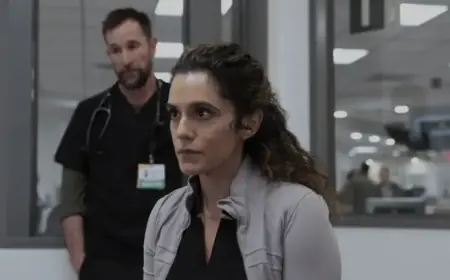
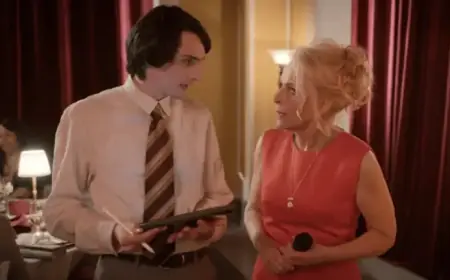
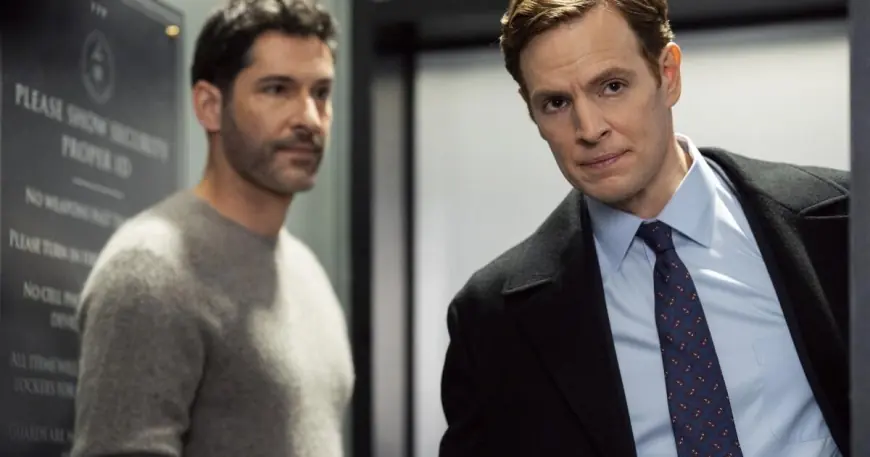
What’s easy to miss is the deliberate visual shorthand used to signpost character types: a leather jacket and facial hair shorthand a looser, rule‑averse operator, while a suit and clean‑shaven, comb‑over look signal the by‑the‑book counterpart. That shorthand shapes how viewers are nudged to choose sides emotionally before backstories are unpacked.
Episode essentials and how the plot is used to set the partnership
The first hour—titled "Directed Energy"—opens with violent poisonings in an office and a stolen top‑secret weapon taken in broad daylight from a U. S. defense contractor. Those incidents provide the procedural engine that pairs CIA case officer Colin Glass (Tom Ellis) with FBI agent Bill Goodman (Nick Gehlfuss). Colin is presented as unpredictable and rule‑averse; Bill is described as by‑the‑book. Glass needs the FBI to operate in New York, so Bill is dispatched by Jubal Valentine (guest star Jeremy Sisto) to assist on a counter‑terrorism assignment, and their different approaches create friction and narrative momentum.
At the end of the premiere, Jubal tells Bill that he is now permanently assigned to the CIA/FBI fusion team and that there is a mole, assigning Bill the task of finding who is leaking. The real question now is how that mole plot will be used to complicate the partnership and whether it will expand beyond the two‑person hybrid cell shown in the hour.
Casting, character contrasts and actor context
Tom Ellis plays Colin Glass; Nick Gehlfuss plays Bill Goodman. Gehlfuss has previously played Will Halstead on Chicago Med, a role noted for being more reckless—by contrast, Bill is characterized as seasoned, smart, and patriotic, with a law degree earned with highest honors and two tours in Afghanistan. That backstory is presented as the engine for Bill’s by‑the‑book instincts and his status as an overachiever committed to enforcing the law.
Colin is described as born in America but raised in England, which explains his accent; one scene places him in a steam room trading information with a Russian agent. Colin’s methods include working with assets who would normally be arrested for terrorism and arranging unconventional medical care for injured allies, such as a surgeon working out of a pawnshop—details that underline the cultural clash between the two leads.
Guidance and backup in the hour come from Necar Zadegan, who previously appeared on NCIS: New Orleans. The guest appearance of Jeremy Sisto as Jubal Valentine establishes continuity with the wider franchise and the mechanics of how assignments flow into the new fusion task force.
Production notes, franchise pedigree and open production questions
The series carries a multi‑name "created by" credit—five names are attached—and lists a well‑known franchise producer as first among the creators. The program reportedly underwent changes both in front of and behind the camera before reaching air, and it premieres Monday. Review coverage has been based on a single episode supplied for review, which constrains early judgments and leaves many elements labeled as potential rather than settled.
It’s unclear in the provided context how extensive the pre‑air changes were, and other production details beyond the creators’ plurality and reported adjustments are unclear in the provided context.
- The premiere leans on familiar franchise mechanics and buddy dynamics rather than a radical tonal shift.
- Key plot hooks: office poisonings, a stolen top‑secret weapon, a mole revealed at episode end.
- Who’s affected: franchise viewers and procedural fans will get the most immediate payoff; the mole storyline hands responsibility to Bill Goodman to carry forward.
- Signals to watch for confirmation of the series’ direction: whether the fusion team expands beyond the two central characters, how the mole plot develops, and whether emotional/romantic tension between the leads is explored.
The bigger signal here is the show’s emphasis on conventional beats—costume cues, cross‑franchise guesting, and a two‑handed partnership—that point toward steadier, long‑running network procedure ambitions rather than a short‑form reinvention.
Here’s a practical note for viewers: because early reviews were based on a single episode and the series reportedly changed during production, recent updates indicate some details may evolve as more episodes air.
Small Q&A for viewers deciding whether to tune in
Q: Is this a tonal departure from the existing franchise?
A: No—expect a familiar procedural tone with buddy comedy energy and franchise crossover mechanics.
Q: Are the leads distinguishable?
A: Yes—visual cues and backstory set Colin as the loose CIA operator and Bill as the tidy, patriotic FBI agent with legal credentials and military service.
It’s easy to overlook, but the premiere’s choice to concentrate narrative weight on two characters and a mole plot suggests the series’ success will hinge less on spectacle and more on whether the partnership gains depth across episodes.