















Michael B Jordan and Delroy Lindo at the Center of Backlash After Racial Slur at BAFTAs — who is most affected and why the broadcast decisions matter

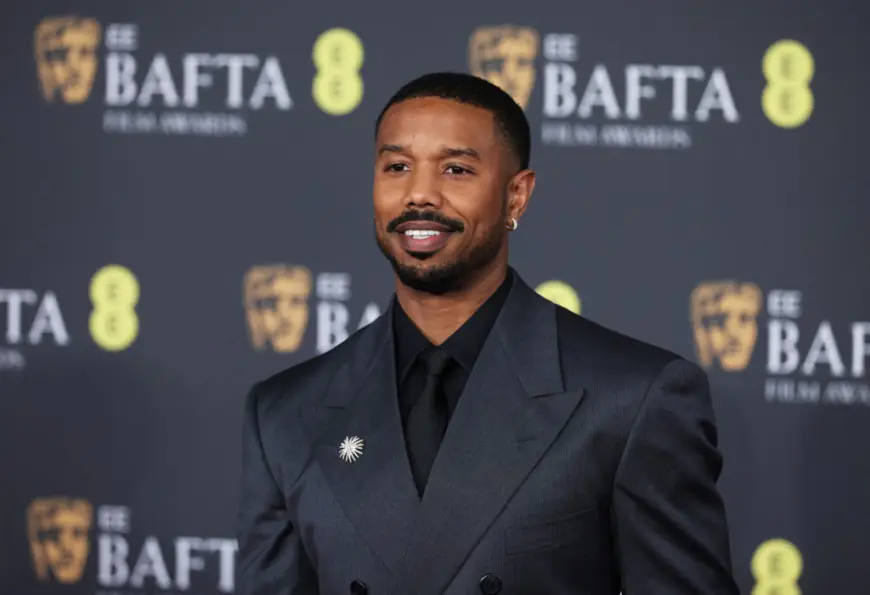
The immediate human impact landed on presenters and guests: michael b jordan and Delroy Lindo were interrupted onstage by multiple involuntary shouts from John Davidson, a Tourette syndrome campaigner who was attending because a film inspired by his life was nominated. What follows is not just an etiquette debate — it has sharpened criticism of how the BAFTAs and the ceremony’s broadcaster handled the incident, and raised questions for people with Tourette syndrome, nominees and audiences about editing, apology and accountability.
Who felt the impact first: presenters, nominees and the Tourette community
The slur was audible while Delroy Lindo and michael b jordan were presenting the award for best visual effects; audience members reacted visibly and some guests discussed the outburst throughout subsequent events that night. John Davidson, whose life inspired the film I Swear and who is a campaigner for people with Tourette syndrome, left the auditorium early because he recognised the distress his involuntary tics were causing. The incident immediately placed the presenters, other nominees and the wider Tourette community at the center of an intense public response.
Michael B Jordan and Delroy Lindo: what took place onstage and how it reached viewers
Several shouts were audible during the opening stages of the ceremony while presenters were onstage. The epithets included a racial slur that was heard during the presentation by the Sinners stars; some in the press area could not make out what was said, while the word was nonetheless captured on the later broadcast. The ceremony was aired on a tape delay and the offensive language remained on the broadcaster’s televised and streaming versions before the program was removed.
Apologies, explanations and internal reactions
The BAFTA organisation apologised for offensive language that caused pain, thanking the presenters for their dignity and professionalism. The broadcaster issued an apology for airing the language and acknowledged it should have been removed before the delayed transmission; the programme was subsequently taken down from the broadcaster’s platforms. Host Alan Cumming announced twice during the event that Tourette syndrome is a disability and that the involuntary tics heard are not under the individual’s control, ending his stage remarks with an apology to anyone offended.
Prominent voices and private responses
High-profile figures reacted on social channels: a leading actor called the outburst unacceptable and added a forceful social comment suggesting the utterance was intentional; another veteran actor said it was infuriating that a full apology to Delroy Lindo and Michael B Jordan did not come first, arguing the insult to them should be the priority regardless of explanation. A journalist highlighted the broader racial and dignity dimensions in a social comment. Sinners’ production designer criticised what she described as a "throwaway" apology and said she had also been targeted by the slur that night, adding the incident happened multiple times and once while she was walking to dinner.
- Davidson said he was deeply mortified if his involuntary tics were taken as intentional and that he spends his life supporting the Tourette community; he left the auditorium early because of the distress caused.
- The broadcaster’s producers said they didn’t hear the slur while working in an outside production vehicle described as a truck.
- Advocacy groups urged public understanding that tics are involuntary and not reflective of beliefs or intent.
- Estimates cited in coverage about how often involuntary swearing (coprolalia) occurs in Tourette syndrome vary: one figure given is about 10–20% of people with the condition, another source puts the proportion at roughly 10–15%—this inconsistency is noted here as presented in the available material.
Here’s the part that matters: the combination of a visible onstage reaction, a delayed broadcast that preserved the offensive language, and what many called a limited in-show apology has driven the backlash rather than a single line of dialogue.
Micro timeline and immediate fallout
- Before the ceremony began, the audience was informed that Davidson, who has Tourette syndrome, was in attendance.
- During the first part of the ceremony several audible shouts occurred; one included the racial slur while the Sinners presenters were onstage.
- The host addressed the audience about involuntary tics during the event; Davidson left the auditorium early.
- The delayed television/streaming broadcast contained the slur about two hours after the live event and the broadcaster later removed the program from its platforms.
- At post-show gatherings and a BAFTA-hosted dinner, guests continued to talk about the incident; one presenter said he and his co-presenter did what they had to do onstage but wished academy officials had spoken to them afterward.
What’s easy to miss is that this is both a moment about disability awareness and a flashpoint on how awards ceremonies moderate live behavior and delayed broadcasts—choices that affect reputations and trust just as much as the original utterance.
Key indicators to watch for confirming steps forward will be official follow-ups from the awards organisation on how edits and delay policies will be handled, and whether event hosts and organisers adopt clearer post-incident outreach to affected presenters and guests. The real question now is whether this prompts changes to tape-delay practice and how events communicate about attendees with medical conditions.