





















Guadalajara sheltering: Children from Nayarit and about a thousand travelers stayed at the zoo as road block violence stranded visitors

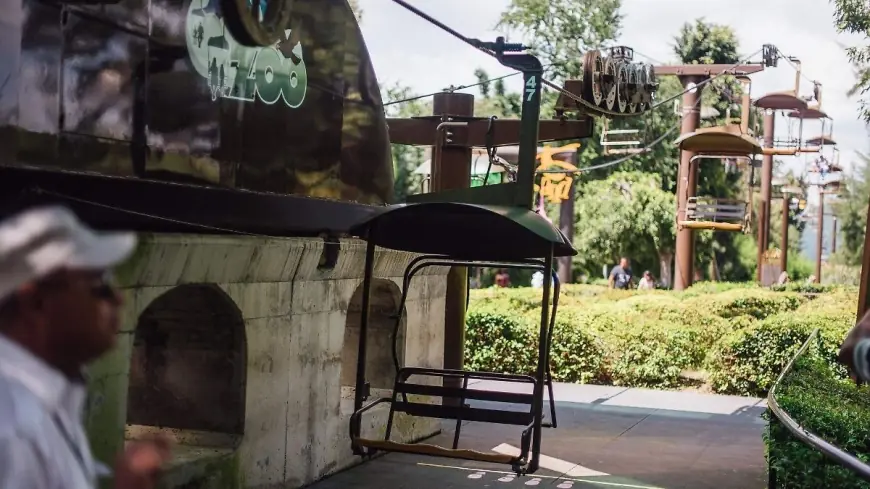
Why this matters now: Families and tourists were among the first to feel the impact when blockades and violent incidents cut roads and shut stores in guadalajara, leaving dozens of children and approximately one thousand visitors sheltered at the city zoo. Immediate needs—safety, shelter, medical care and basic supplies—drove officials and humanitarian teams to keep people in place until movement could resume.
Who is affected at the Zoológico de Guadalajara
Forty children from Nayarit, who come from the community of San Luis de Lozada, remained at the Zoológico de Guadalajara along with their parents. Tepic, Nayarit is identified in the local notices connected to the group. In addition, about one thousand people from the states of Aguascalientes, Guanajuato, Michoacán and Zacatecas spent the night in the zoo’s parking area after becoming stranded by violent road blockages.
What forced people to stay and official commitments
Here’s the part that matters: tour groups and out-of-town excursions chose to remain inside the park because blockades on highways made travel unsafe. The park had announced it would close; it did so at 17: 00 hours, after which only security personnel remained on site. Zoo staff made drinks and food available for those who stayed when city shops were closed, and the bathrooms of the facility were opened for overnight use.
Deputy Adhán Casas said he had communicated with the head of the state security agency, who pledged to escort the children’s vehicles when they reach the state; this detail is developing and may evolve. Also noted in coverage is a link drawn between the disruption and a federal operation that resulted in the death of Nemesio Oseguera Cervantes, alias El Mencho — that connection is presented as part of the account but should be treated as developing here.
Humanitarian aid, medical attention and on-site conditions
Humanitarian response included distribution of blankets, water and diapers, and medical attention was provided to visitors who spent the night in buses and in the zoo grounds. Authorities maintained permanent vigilance to protect families while road circulation was being restored. More than a thousand tourists reportedly slept in buses at the zoo and received shelter and medical care overnight.
What’s easy to miss is that officials framed the priority as safeguarding the integrity of children, adults and families while movement remained unsafe; transfers will occur only when authorities consider conditions secure.
Wider city disruptions and related local notes
The city awoke unusually quiet after the violent events: public transport began to resume service slowly, but some businesses remained closed and classes were suspended. Citizens formed long lines to resupply at the few open points. Municipal and state crews collected debris from vehicles that had been set on fire along Periférico Norte. Officials also encouraged use of electronic banking and ATMs where possible, and there are mentions of personnel being trained to apply protocols and recognize warning signs of crime.
Separate local items included references to a total of 17 legal proceedings that threaten the three sections of the Los Colomos forest, and upcoming civic celebrations marking the 92nd anniversary of the national charrería federation and the 484th anniversary of the city’s founding; these items were part of the broader local reporting on the day.
Micro-timeline and next signals
- Park closure announced in the afternoon; the zoo closed at 17: 00 hours and remained the shelter point.
- Overnight: roughly 1, 000 people from four states and 40 children from San Luis de Lozada stayed at the zoo; buses and parking areas were used for shelter.
- Humanitarian aid and medical attention were provided; bathrooms were enabled for overnight use.
- Authorities cleared burned-vehicle debris from Periférico Norte while transport service began to resume the following morning.
The real question now is whether the promised escorts and the normalization of roadways will allow safe transfers; movement will happen when authorities determine it is safe.
The bigger signal here is how quickly public-safety decisions and on-the-ground humanitarian support were mobilized to keep families together and sheltered until roads reopened.