




















What Is Going On in Mexico Right Now: Violence Spike After Cartel Kingpin Death, Travel Disruptions, Power-Grid Strain, and Markets Watching the Peso

Mexico is dealing with a volatile mix of security shocks, travel interruptions, and economic crosswinds on Monday, Feb. 23, 2026 (ET). The biggest immediate story is a fast-moving security crackdown and retaliation cycle centered in Jalisco following the death of cartel leader Nemesio “El Mencho” Oseguera Cervantes, which has triggered roadblocks, vehicle burnings, and heightened alerts. At the same time, travelers are tracking flight and route disruptions in western Mexico, while investors focus on the peso’s moves and the central bank’s next steps.
Security crisis centers on Jalisco after “El Mencho” death
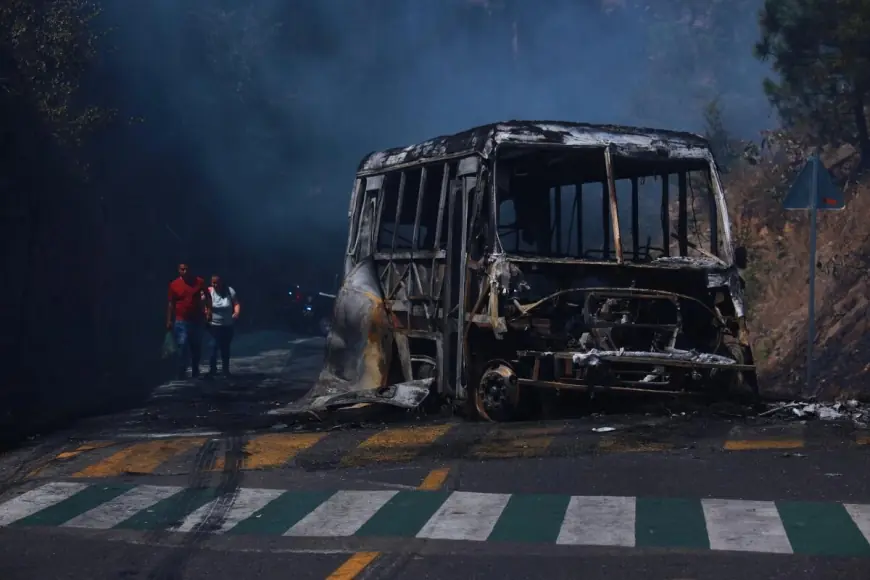
A government operation in Jalisco that killed “El Mencho” has been followed by a wave of retaliatory actions and heightened fear in multiple areas, including roadblocks and burned vehicles used to paralyze movement and challenge authorities. The security response has expanded quickly, with federal forces and local agencies moving into a high-alert posture as the immediate aftermath continues to evolve today.
In practical terms, residents in affected zones are facing abrupt disruptions: closures, rerouted traffic, and warnings to avoid certain roads as incidents flare and then shift. The situation is fluid, and the most significant changes are happening hour by hour in western Mexico.
Federal response and public-safety measures expand
Mexico’s security apparatus has signaled an aggressive stance—both to contain retaliation and to prevent spillover into broader urban corridors. Officials have described ongoing operations and confirmed multiple fatalities tied to clashes beyond the initial raid, along with arrests and a widened enforcement posture.
Beyond policing, the broader state response includes coordination aimed at keeping major routes open for emergency services and preventing panic-buying, school interruptions, and uneven municipal shutdowns. The near-term question: whether the current surge settles into localized containment, or drifts into a longer cycle of reprisals.
Travel disruptions: flights, roads, and “is it safe?” questions
As images of burning vehicles and blocked roads spread, travelers are reassessing plans—especially in parts of Jalisco and nearby regions. Some travel-focused coverage has highlighted flight disruption concerns and local safety advisories, especially for visitors trying to move between tourist hubs and interior routes during a period of instability.
For many travelers, the practical takeaway today is simple: check local alerts, monitor airline operational updates, and assume conditions can change quickly—particularly on highways that have seen temporary blockades.
Snapshot of what people are tracking today (ET)
| Area | What’s happening | What it means day-to-day |
|---|---|---|
| Jalisco/western states | Retaliatory incidents and enforcement surge | Road uncertainty, reroutes, intermittent closures |
| Airports/air routes | Disruptions and heightened caution | Rebooking, delays, last-minute advisories |
| Major highways | Temporary blockades/vehicle burnings reported | Avoid nonessential travel in affected corridors |
| Public messaging | Safety guidance and situational warnings | Increased reliance on verified alerts |
Economy watch: the peso, inflation, and Banxico’s next move
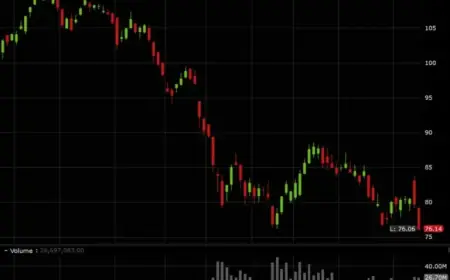
Markets are also watching Mexico’s economy closely. The Mexican peso weakened in trading today, with coverage tying the move to global trade policy headlines and investor risk appetite.
On the inflation side, January data has shown annual inflation running below 4%, a key threshold that often shapes expectations for the central bank’s path.
Policy expectations remain cautious. Recent analysis has pointed to the likelihood of Banco de México holding steady near-term rather than rushing into additional rate cuts, reflecting a balance between growth risks and inflation pressures.
Migration and the border: fewer encounters, longer waits in shelters
Along the U.S.–Mexico corridor, the migration picture continues to shift. Border data and monitoring groups have described a period of lower overall encounters, while conditions on the Mexico side include longer stays in shelters and strain on resources as funding tightens in some areas.
That combination—reduced flow but longer shelter stays—creates a different kind of pressure: less crowding at peak moments, but more sustained demands for food, medical care, and legal support over time.
What to watch next in Mexico over the next 24–48 hours
-
Security trajectory in Jalisco: whether retaliation fades, relocates, or escalates.
-
Mobility and travel impacts: any expanded disruptions to flights or highway access.
-
Market reaction: peso volatility and signals about Banxico’s timing.
-
Border dynamics: shelter capacity and updated encounter data trends.