






















Vehicle Excise Duty hikes set to reshape car buying choices and haulage costs across Britain

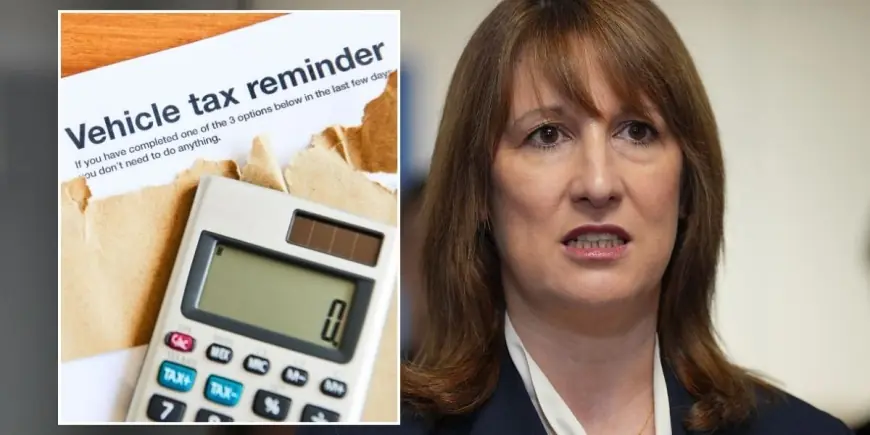
The government’s package of changes to vehicle excise duty lands as an economic pivot: drivers and fleets face higher running costs now, and the tax architecture will push longer-term behavioural shifts. vehicle excise duty increases, staged fuel-duty rises and a planned move to pay-per-mile charging for electric and hybrid cars will alter purchase incentives, operational margins and decarbonisation plans.
Vehicle Excise Duty: who feels the squeeze first and how decisions will shift
Here’s the part that matters: shoppers choosing between low-emission and high-emission models will see the math change immediately, and hauliers will be hit on multiple fronts. For private motorists, the combined effect of first-year rate adjustments and inflation-linked uprating makes high-emission purchases notably more expensive. For the logistics sector, the simultaneous uprating of HGV VED and scheduled fuel-duty increases compounds cost pressures already described by industry representatives and MPs.
Core changes and headline numbers
Key elements in the package as presented in budget documents and subsequent briefings include:
- VED rates for cars, vans and motorcycles will be increased in line with the Retail Price Index from April 1, 2026.
- First-year VED rates were adjusted starting April 1, 2025: zero-emission cars pay a first-year rate of £10 until 2029–2030; vehicles emitting between 1 and 50g CO2/km pay £110 in their first registration year (covers 12 months).
- Charges for higher-emission cars were substantially raised previously, with the most polluting vehicles facing rates that moved from earlier bands (for example, a 76–90g/km bracket listed at £270) toward much larger sums; after inflation uprating, the cost for the most polluting new cars could reach around £5, 690 in a first year illustration.
- Specific high-CO2 bands listed include increases such as 151–170g/km rising from £1, 360 to £1, 410 and 171–190g/km rising from £2, 190 to £2, 270.
- Electric and hybrid drivers are slated to begin paying based on mileage from 2028 under the planned pay-per-mile scheme for those vehicle types.
- Diesel cars that do not meet the Real Driving Emissions 2 (RDE2) standard for nitrogen oxides will face higher VED if they emit between 1 and 255g/km, with parity when emissions exceed 255g/km.
- The Office for Budget Responsibility forecast included a projection that VED would raise £9. 1 billion in 2025/26, around 0. 3% of national income.
HGVs and the logistics sector: simultaneous tax and duty pressures
Ministers and MPs have flagged that VED for heavy goods vehicles will also be uprated in line with the Retail Price Index from April 1 of the current year. VED for HGVs applies across vehicle types such as rigid trucks without trailers and tractive units, the cab of an articulated lorry, rigid goods vehicles with trailers, vehicles with exceptional loads, and haulage vehicles other than showman’s vehicles. For context, an annual VED figure for a 44-tonne truck is set at £1, 643 for 2025/26 under the current schedule.
This change represents the first hike to HGV VED since 2014 and will coincide with the annual rise in the HGV Levy, both taking effect on April 1. MPs scrutinising the Finance Bill raised timing concerns and highlighted the lack of targeted backing for the logistics sector.
Staged fuel-duty increases add to the squeeze: an extra 1p per litre on September 1 (reversing a temporary cut introduced in 2022), a further 2p per litre on December 1 of the same year, another 2p per litre scheduled for March 1, 2027, and from April 2027 fuel duty returning to uprating in line with the RPI.
Parliamentary scrutiny, industry pressure and unanswered asks
Shadow Exchequer Secretary James Wild raised concerns in a Commons meeting about the complexity and timing of HGV VED changes, noting the system contains more than 80 different HGV rates determined by weight, emissions, class and configuration. He pointed to industry estimates that fuel duty adds more than £2, 000 a year to the cost of operating a single HGV, amounting in aggregate to around £435 million in extra costs for the sector. The logistics industry was described as contributing £170 billion in gross value added and employing about 8% of the workforce; MPs argued this sector needs clearer fiscal support to invest, decarbonise and remain efficient.
Concerns raised included risks to decarbonisation if fiscal support for transitional low-carbon fuels such as hydrotreated vegetable oil is not provided, and the absence of an extension of full expensing to higher bands. Questions were directed at the Minister for assurances to give the sector confidence to invest. Liberal Democrat MP Joshua Reynolds agreed that the haulage s [text unclear in the provided context].
- What’s easy to miss is that the tax changes are layered: first-year VED rewrites, RPI uprating, mileage charging for EVs/hybrids and fuel-duty staging all interact to change both purchase calculus and operating budgets.
Quick reference: timelines and what may confirm the next turn
- April 1, 2025 — first-year VED rates adjusted for zero-emission and low-emission cars.
- April 1, 2026 — VED uprated in line with the Retail Price Index for cars, vans and motorcycles.
- 2028 — pay-per-mile charging planned to start for electric car and hybrid owners.
Key takeaways:
- Higher upfront VED for the most polluting new cars shifts buyer incentives toward lower-emission models.
- Electric and hybrid owners should factor in mileage charges from 2028 when calculating total cost of ownership.
- Hauliers face an immediate compound impact from HGV VED uprating, HGV Levy increases and staged fuel-duty rises.
- Confirmation of supporting measures for low-carbon fuels or expanded capital allowances would be a signal the sector can rely on targeted fiscal help.
The real question now is whether ministers will match these tax changes with sector-specific support measures that protect investment and decarbonisation pathways, or whether rising costs will slow those transitions. Coverage alongside this story also included an item headlined 'Verifying Device' in the same round of headlines, illustrating how a range of policy and consumer topics were circulated in recent coverage.