






















How decades of hidden ranches and alert networks in Jalisco Mexico shaped the survival of 'El Mencho'

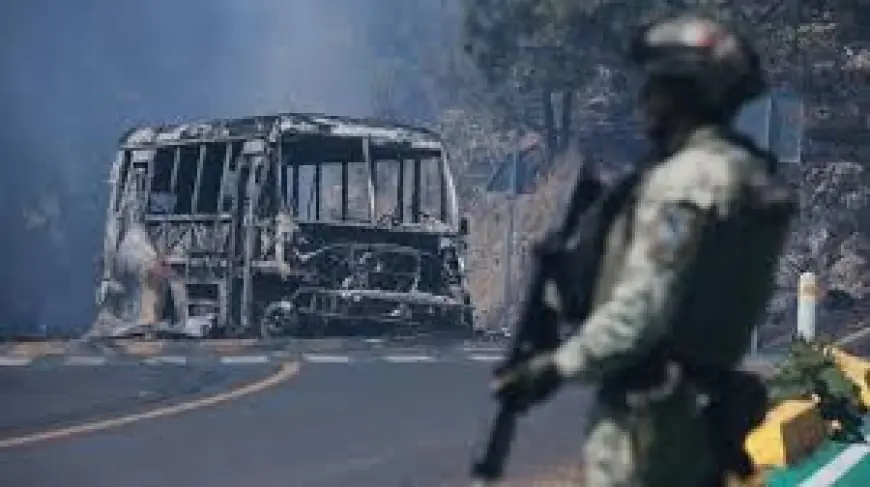
Understanding the architecture of Nemesio Oseguera Cervantes’s survival strategy matters now because related notes in the file referenced his death and subsequent narcoblockades, forcing a fresh look at how a criminal system built across jalisco mexico created both resilience and rapid local reaction. The pattern of mobility, low‑profile ranch refuges and embedded alert networks explains why operations repeatedly failed to capture him—and why unrest followed the news linked to him.
Why the Jalisco Mexico footprint mattered: a contextual rewind
For more than a decade, El Mencho constructed not merely a powerful cartel but a purpose-built survival system. That system relied on constant movement, strategically placed hideouts and information flows that put him ahead of federal operations. What this meant in practice was an ability to slip away after being located, and a territorial imprint across both mountains and suburbs in Jalisco.
Locations and operational pattern
The document lists specific geographic corridors and tactics that underpinned his elusiveness:
- Primary concentration of refuges in Jalisco, with Villa Purificación cited as a long-standing bastion—described as a serrana zone with limited access and historical CJNG presence where communities had been woven into the group’s control.
- Los Altos de Jalisco identified as a corridor where the group consolidated logistical and social presence, aided by dispersed ranches and rural roads.
- Zapopan noted as a site of residential, low‑profile safe houses.
- Ajijic, on the shore of Chapala, called out for a personal affinity: stables and fine horses matched a preference for ranch‑style refuges.
How he stayed ahead: alerts, communications and convoy methods
The constant was not luck but anticipation. Internal reports pointed to early‑warning alerts coming from support networks embedded in local corporations and government structures. The file also notes compromises of military and federal communications—radios in particular—helped the leader evade capture.
Security summaries in the material say federal forces located him more than 20 times; in every recorded episode he managed to escape. Mobility tactics included moving through deep sierra and metropolitan zones, using reduced convoys and frequent route changes to frustrate intelligence and encirclement.
Timeline highlights and a turning point
- Built survival system over more than a decade of operations and evasion.
- 2015: a failed federal operation in Villa Purificación culminated in the downing of a military helicopter—an incident that reinforced perceptions of immediate local response capability.
- Multiple documented locate-and-escape episodes—more than 20 placements by federal forces where escape followed.
Here’s the part that matters: the 2015 episode and the repeated locate-and-escape pattern are central to understanding why later unrest surfaced quickly after related notes pointed to his death.
Local impacts, signals and immediate implications
Dispersed rural holdings, community support networks and mixed urban–rural safe houses created rapid channels for both movement and local reaction. The document also included side notes that referenced his death and subsequent narcoblockades and violence in Jalisco and other states, linking the structure of his protection network to fast‑moving unrest after such developments.
It’s easy to overlook, but the material shows the CJNG’s mix of stables‑style ranches and suburban safe houses made standard counter‑measures less effective: operations designed for urban targets struggled in sierra terrain, and vice versa.
The real test will be whether the physical network—ranch corridors, residential safe houses and embedded informants—frays quickly once a central figure is removed, or whether it regenerates under new leadership; the file leaves that outcome unclear in the provided context.
Key takeaways:
- El Mencho’s survival depended on mobility, strategic refuges and early alerts embedded in local and institutional networks.
- Jalisco’s mixed geography—from Villa Purificación’s serrana terrain to Zapopan’s suburbs and Ajijic’s lakeside ranches—was integral to the strategy.
- The 2015 failed operation that ended with a helicopter downing marked a visible turning point in how authorities and communities perceived the group’s immediate response capacity.
- Related notes in the file referenced his death and subsequent narcoblockades, underlining how the protection system could trigger rapid local unrest when destabilized.
If you’re wondering why this keeps coming up, the answer in the material is straightforward: the combination of terrain, safe houses and infiltrated alerts turned capture operations into repeated near‑misses—and any news linked to his fate reverberated quickly through the same networks that had long shielded him.