























Jalisco Mexico: How Nemesio Oseguera Cervantes, 'El Mencho,' built an evasive CJNG network

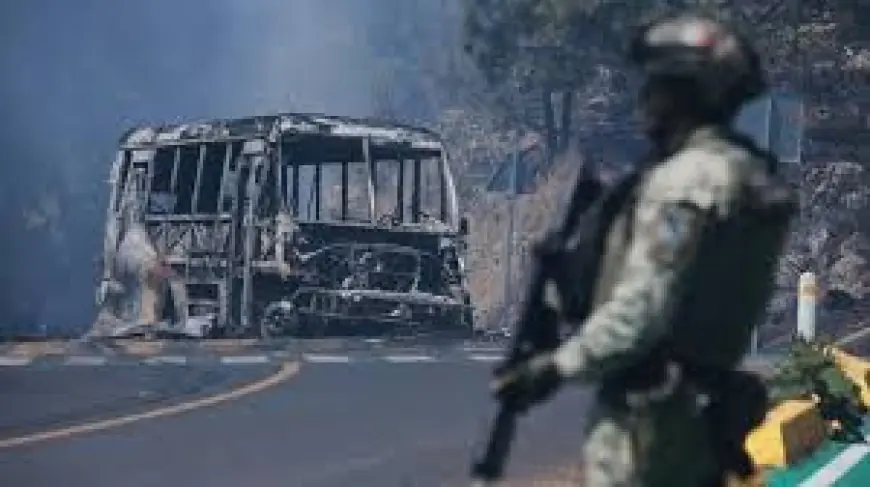
Nemesio Oseguera Cervantes, known as “El Mencho, ” spent more than a decade assembling a survival system for the Cártel Jalisco Nueva Generación that relied on constant movement, strategic refuges and layered information networks — tactics that kept him at large across jalisco mexico and beyond. The methods cataloged by security officials help explain how federal forces repeatedly located him yet failed to capture him.
Mobility and the “capo a salto de mata” method
Security circles described Oseguera as a "capo a salto de mata, " forced to change location permanently but consistently staying a step ahead of operations. Internal reporting and security assessments trace a pattern of continuous relocation, with the leader alternating between remote sierra terrain and metropolitan neighborhoods to frustrate field intelligence and perimeter operations.
More than 20 federal sightings and repeated escapes
Security and military officials agreed that federal forces had located the CJNG leader on more than 20 occasions. In every one of those episodes he managed to escape custody. That record of being found repeatedly yet avoiding capture became a defining element of how Oseguera’s network operated.
Safe havens across Jalisco Mexico: Villa Purificación, Los Altos and Ajijic
Oseguera’s map of refuges concentrated mainly in Jalisco. Villa Purificación was one of his best-known bastions for years: a serrana zone with limited access, a historical presence of the group and communities where the CJNG had woven territorial control. In 2015 a failed federal operation there ended with the downing of a military helicopter, an episode that reinforced the view that Oseguera could mount immediate, forceful responses to state incursions.
Another corridor was Los Altos de Jalisco, where the group consolidated both logistical and social presence. Investigators also focused on Ajijic, on the shore of Chapala, noting an affinity there for caballerizas and fine horses — a hobby that matched his use of ranch-style refuges.
Rural dispersion, reduced convoys and route changes
The dispersion of ranches, rural roads and community support networks facilitated mobility across these corridors. In those areas Oseguera moved in reduced convoys and employed frequent changes of route to avoid encirclement. That combination of sparse terrain and localized backing complicated federal attempts to pin down his movements.
Urban safe houses in Zapopan and communications breaches
He was also located in Zapopan, particularly in residential zones where the CJNG operated low-profile casas de seguridad. The strategy of alternating between deep sierra and metropolitan settings amplified the network’s resilience.
Internal reports further indicated that Oseguera’s operation benefited from early-warning alerts supplied by support networks infiltrated into local corporations and governmental structures. He even breached communications of military and federal authorities, targeting their frequency radios in particular, which degraded some operational coordination against him.
How these elements combined into a survival system
Over more than a decade, the elements of constant mobility, strategic refuges across Villa Purificación, Los Altos de Jalisco, Zapopan and Ajijic, and compromised communications and informant networks coalesced into a criminal survival system for the Cártel Jalisco Nueva Generación. That system helps explain why federal operations located Oseguera more than 20 times yet failed to detain him in every instance.