






After ‘The Morrow’: How Aegon Targaryen’s Reveal and Maekar’s Choices Force a Different Dunk and Egg Future

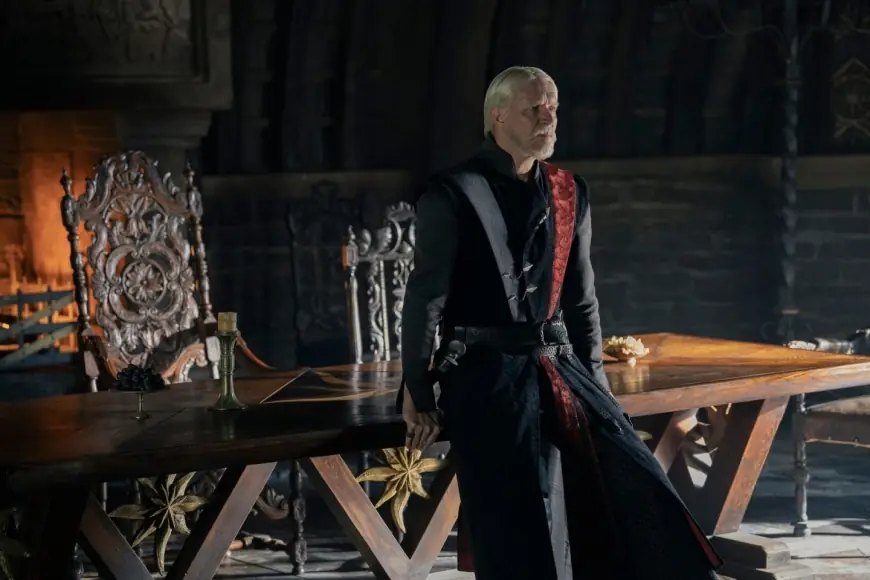
The finale of A Knight of the Seven Kingdoms reorders who holds power on‑screen and off. By spotlighting aegon targaryen’s hidden identity and Maekar’s fatal decision, the episode shifts character loyalties, rewrites what the writers can build on, and tightens the scope of what Season 2 will need to do differently. The implications reach from family drama to production logistics and the very scale of future episodes.
Why these outcomes matter for the characters and the show’s tone
Here’s the part that matters: the finale turns private failings into public consequences. Maekar Targaryen’s personal missteps—widowed, a single father seen as having failed his three sons Daeron, Aerion and Aegon (called Egg)—no longer sit only inside a family; they explode into violence that removes Prince Baelor from the succession and forces reassessment of royal authority. That reordering narrows the show’s immediate battleground to interpersonal reckoning rather than large-scale war or spectacle.
Aegon Targaryen and the immediate stakes created by the final scenes
The revelation of Aegon’s place in the family (portrayed as Egg by Dexter Sol Ansell) reshapes motivations: Maekar tries to secure his last viable heir and offers a route—Summerhall and formal training—to bind the boy to royal expectations. Dunk (Peter Claffey) refuses the comfortable compromise, citing exhaustion and later proposing to take the boy on the road, a suggestion Maekar rejects because he will not let royal blood live like a peasant. The result is a split in what each character believes the boy needs, and that split will guide alliances and friction going forward.
How the finale plays out (key plot beats embedded)
- Central set piece: the jousting tournament at Ashford Meadow becomes the narrative fulcrum.
- Maekar and Aerion (Finn Bennett) find Aegon (Dexter Sol Ansell) and Daeron absent from the event as expected.
- Dunk intervenes when Aerion assaults a puppeteer; Aegon intercedes on Dunk’s behalf because he has secretly been squiring for the hedge knight under the name Egg.
- Daeron, found drunk nearby, falsely accuses Dunk of kidnapping Aegon; Aerion issues a trial of seven, where each side recruits six champions.
- Baelor (Bertie Carvel) sides with Dunk; after Dunk forces Aerion to withdraw the accusation, Baelor bends the knee—then unexpectedly dies from a fatal head wound inflicted by Maekar.
- Maekar insists the Gods know it was an accident; the actor Sam Spruell characterizes the prince as prone to self‑delusion and using divine claims to absolve culpability.
What’s easy to miss is that those beats compress family tragedy and political consequence: a private lie, a public trial, and then a death that reframes succession.
Dunk’s knighthood question and the scene choices that deepen it
The finale adds a flashback that changes how viewers read Ser Duncan’s past. Dunk was a squire to Ser Arlan of Pennytree; the episode shows Arlan propped against a tree, pale and babbling, apparently dying, and Dunk asking why he was never knighted—no answer is given. That scene is filmed on the same hillside where Dunk later buries Arlan’s body. Book readers long suspected Dunk’s knighthood claim was a manufactured story—he says Arlan knighted him just before death with only a robin to witness—but when Dunk seeks entry to the Ashford Meadow tourney he’s told to find a lord or knight to vouch for him and no one can verify the claim; hardly anyone remembers Arlan existed.
Episode four adds the moment when Raymun Fossoway asks to be knighted for the trial and Lyonel Baratheon urges, "Go on, Ser Duncan. Any knight can make a knight. " Dunk does not draw his sword. Why he holds back is left open: he might fear for his friend’s safety, lack the words because he was never properly knighted, or be protecting Raymun’s honor — unclear in the provided context.
Mini timeline (compact view) and next confirmable signals
- Season 1 culminates in the episode titled "The Morrow, " where the tournament and Baelor’s death occur.
- Flashbacks in the finale revisit Dunk’s squire days with Ser Arlan of Pennytree and the hillside burial scene.
- Season 2 is already in production and will adapt The Sworn Sword, Martin’s second Dunk and Egg novella, as a six‑episode story.
- The Sworn Sword centers on a low‑stakes conflict—water rights to a stream—and intentionally reduces action in favor of conversation and character work.
- Production notes tied to that adaptation: the budget remains the same while costs have risen due to inflation; because book two takes place during a drought, exteriors cannot be shot in Belfast and the series must relocate to warmer, drier locations, adding expense.
The real question now is whether shrinking scope and altered casting plans will preserve the show’s emotional heart. Secondary characters from Season 1 are unlikely to return in the book’s version of Season 2—names cited include Daniel Ings’s Lyonel Baratheon and Shaun Thomas’s Raymun Fossoway—and the book suggests most Targaryens outside of Egg do not appear in the next story.
Sam Spruell’s casting history is also in play: the British actor arrived after a high‑profile turn on Fargo’s fifth season and had appeared in a couple of episodes of Dune: Prophecy that he shot before audiences first saw his Faro portrayal. Those CV notes underline why his Maekar feels calibrated for moral ambiguity rather than straightforward villainy.
The bigger signal here is that the show is trading spectacle for intimate, risky storytelling—diminished external stakes but increased complexity in character choices and production tradeoffs. Further confirmations will come as Season 2’s casting and filming locations are announced; until then, several story threads remain unresolved or unclear in the provided context.