












BAFTA racial slur fallout puts bafta tourettes in harsh spotlight as john davidson, alan cumming, michael b jordan, jamie foxx and delroy lindo react

A jarring on-air moment at the BAFTAs has triggered a fast-moving debate about live broadcast safeguards, disability awareness, and accountability after an audience outburst included a racial epithet while michael b jordan and delroy lindo were on stage. The incident has been widely described online as racial slur baftas and baftas racial slur, with the BBC and BAFTA issuing apologies as criticism spread through entertainment circles early Monday, Feb. 23, 2026 (ET).
john davidson tourette moment at baftas tourettes ignites global conversation
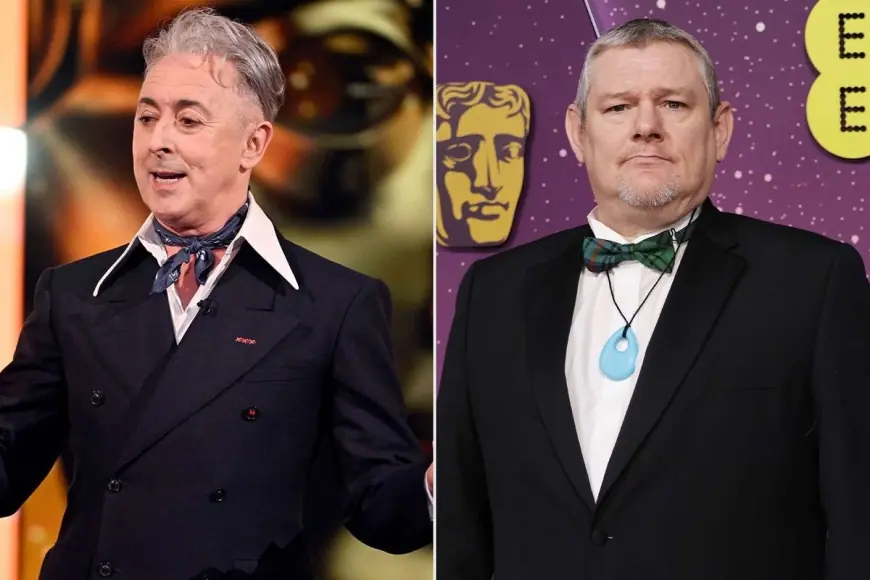
The disruption centered on john davidson, a longtime Tourette syndrome campaigner attending the ceremony tied to the BAFTA-nominated project “I Swear,” a tourettes film inspired by his life. During a presentation, an involuntary vocal tic was heard clearly on the broadcast and included a racial slur.
The combination of a celebratory awards setting and a sudden, offensive utterance created immediate confusion for viewers, with many only learning afterward that the outburst came from a person living with Tourette syndrome. Online discussion rapidly split between empathy for disability-related tics and anger that a slur was audible during a moment featuring Black presenters.
alan cumming response as alan cummings trend surges and bafta tourettes questions mount
Host alan cumming addressed the room during the show, asking for understanding and expressing regret to anyone harmed by what was heard. As clips circulated, “alan cummings” also trended in posts and searches, pulling additional attention toward the presenter’s handling of a live, unpredictable moment.
At the center of the backlash is a blunt operational question: a broadcast delay was in place, yet the slur still made it to air. That gap has become the defining “why” behind the bafta tourettes controversy, with calls for clearer protocols that protect audiences without treating disability as spectacle.
jamie foxx joins criticism as bafta racial slur dispute widens across entertainment
Prominent figures weighed in as the story accelerated. jamie foxx publicly condemned what viewers heard, framing the moment as unacceptable even as broader discussion acknowledged the complexities around Tourette-related involuntary speech.
The widening reaction has also emphasized the on-stage context: the slur landed while michael b jordan and delroy lindo were presenting, intensifying the sense of harm and raising pressure on institutions to respond directly and clearly.
tourettes, coprolalia, and why “bleeping” has become the core broadcast debate
The controversy has forced a renewed, often-misunderstood topic into mainstream view: tourettes can involve involuntary vocal tics, and in a subset of cases, involuntary swearing or socially inappropriate words. The current debate is less about whether the utterance was intentional, and more about what broadcasters should do when they know a live environment may include unpredictable language.
Key points now driving the baftas tourettes discussion:
-
Audience impact: A slur heard on air causes immediate harm, regardless of intent.
-
Disability awareness: Treating Tourette-related tics as “behavior” risks stigma and misinformation.
-
Broadcast standards: A delay exists for a reason—viewers expect harmful language to be removed.
-
Event planning: Pre-show briefings, seating decisions, and contingency planning matter in high-profile live TV.
what happens next: practical steps after baftas racial slur moment
As BAFTA and the BBC face demands for changes, the next steps are likely to focus on policies rather than personalities—especially with the phrase bafta racial slur now attached to the ceremony’s public memory.
Quick policy checklist now being debated
| Issue | What viewers are asking | What broadcasters can change fast |
|---|---|---|
| Delay controls | Why wasn’t the slur cut? | Clearer real-time censor rules in delayed broadcasts |
| On-site response | Who speaks, and when? | Standardized apology language and escalation plan |
| Duty of care | How are guests supported? | Quiet-room access, liaison staff, and exit pathways |
| Context and education | How to reduce stigma? | Brief on-air explanation of Tourette syndrome without sensationalizing |
The incident has also shifted attention back to representation and respect in awards spaces—how to uphold inclusion for disability while ensuring Black talent and Black audiences are not made collateral damage in moments that can be prevented on a delayed broadcast.
The BAFTAs now face a narrow window to demonstrate that the lessons of this baftas racial slur flashpoint translate into concrete safeguards—so the next headline is about cinema again, not another broadcast failure tied to bafta tourettes.